Drug Addiction Rehab in Tennessee: Treatment in Murfreesboro
When drug use begins affecting your health, relationships, work, or sense of control, professional treatment can provide structure, clinical support, and a path toward lasting recovery. Tulip Hill Recovery provides individualized drug addiction rehab in Tennessee from its Murfreesboro location, supporting adults from Rutherford County and surrounding Middle Tennessee communities.
Treatment is designed to address the physical, emotional, behavioral, and mental health factors that can contribute to addiction while helping each person build practical skills for long-term recovery.
Drug Addiction Rehab Programs and Levels of Care in Tennessee
Tulip Hill Recovery provides individualized drug addiction treatment in Murfreesboro for adults across Rutherford County and Middle Tennessee. Care is guided by assessment, with partial hospitalization (PHP), intensive outpatient programming (IOP), and continuing support when appropriate. Residential treatment or specialized withdrawal management may require coordination with another setting; admissions can confirm available services and placement. The Murfreesboro location serves nearby Smyrna, La Vergne, Christiana, Rockvale, and Eagleville.
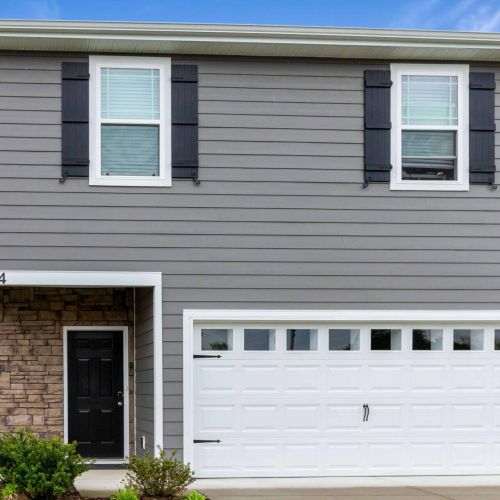
Residential Treatment
Residential treatment offers a live-in environment for people needing round-the-clock structure. Admissions can discuss whether a residential setting is indicated and help clarify available referral or placement options; do not assume it is offered at the Murfreesboro outpatient location.
Partial Hospitalization Program (PHP)
PHP offers a high level of structured treatment without requiring overnight residence and may include frequent therapy, clinical monitoring, psychiatric support, and recovery education. Learn about Partial Hospitalization Program (PHP).
Intensive Outpatient Program (IOP)
IOP provides scheduled therapy and recovery support while allowing clients to begin managing work, school, family, and other daily responsibilities. Learn about Intensive Outpatient Program (IOP).
Aftercare and Continued Support
Continued counseling, peer support, alumni involvement, relapse-prevention planning, and community recovery resources can provide ongoing accountability after structured treatment.
Why Structured Drug Addiction Treatment Helps
Addiction can affect reward, stress, decision-making, and emotional regulation. Treatment combines individualized clinical support with practical strategies for managing cravings, triggers, and everyday responsibilities.
Our Individualized Approach to Drug Rehab
Effective drug addiction treatment requires more than detoxification or a brief period of abstinence. Meaningful recovery involves identifying the factors that contribute to substance use, understanding patterns that reinforce addiction, and developing healthier ways to respond to cravings, stress, discomfort, and everyday challenges.
Each treatment plan is shaped around the client’s substance use history, mental health needs, physical health considerations, family circumstances, strengths, barriers, and personal goals.
Respectful, person-first care: Substance use disorders are health conditions, not moral failures. Our team uses respectful, non-stigmatizing language and creates treatment plans around the individual rather than defining a person by a diagnosis.
Medical Detox and Stabilization
For some people, recovery begins with medically supervised detoxification. Opioids, benzodiazepines, and certain prescription medications may cause significant withdrawal symptoms when use is reduced or stopped.
Emergency and Withdrawal Safety Guidance
Call 911 immediately if someone may be overdosing, has lost consciousness, is having a seizure, or shows signs of a life-threatening medical emergency. Withdrawal from certain substances may also require medical supervision.
Tulip Hill Recovery offers medically supported alcohol detox services. For other substances or withdrawal needs that require a different medical setting, admissions can discuss assessment and coordination with an appropriate provider. Stabilization should lead into ongoing addiction treatment when clinically indicated.
Drug Addictions We Treat
Opioid, Heroin, and Fentanyl Addiction
Treatment may include behavioral therapy, relapse-prevention planning, recovery support, and medication-assisted treatment when clinically appropriate. Learn about Fentanyl Addiction.
Cocaine and Methamphetamine Addiction
Stimulant treatment, including cocaine rehab in Murfreesboro, focuses on restoring stability, improving emotional regulation, rebuilding healthy routines, and managing cravings. For people struggling with methamphetamine use, our meth rehab in Murfreesboro provides individualized treatment planning, mental health support, and relapse-prevention skills.
Prescription Drug and Benzodiazepine Addiction
Treatment can address dependence, withdrawal risk, medication misuse, and the behavioral or mental health concerns that may contribute to continued use.
Polysubstance Addiction
When multiple substances are involved, treatment planning considers withdrawal risk, interactions between substances, mental health needs, and the safest level of care.
Dual Diagnosis Treatment for Drug Addiction and Mental Health
Drug addiction frequently occurs alongside anxiety, depression, trauma-related symptoms, bipolar disorder, grief, chronic stress, and other mental health concerns. Dual diagnosis care addresses substance use and mental health together rather than treating each issue in isolation.
Family Support, Education, and Healing
Addiction affects more than the person using drugs. Family members may experience fear, anger, confusion, guilt, financial strain, broken trust, and emotional exhaustion while trying to help someone they love.
When appropriate, family therapy and education can help loved ones improve communication, set healthier boundaries, understand addiction, and begin rebuilding trust.
Planning for Long-Term Recovery
Completing a treatment program is an important milestone, but recovery continues long after formal care ends. Ongoing stability often depends on daily routines, supportive relationships, relapse-prevention strategies, and continued connection to recovery resources.
Recognize Triggers
Identify people, places, emotions, situations, and routines that can increase the urge to use drugs.
Know Early Warning Signs
Changes in thinking, isolation, stress, disrupted routines, or romanticizing past drug use can signal a need for additional support.
Strengthen Support
Recovery becomes more sustainable when clients remain connected to supportive people, treatment resources, and recovery communities.
Build Daily Stability
Sleep, nutrition, work, relationships, mental health care, and meaningful routines all contribute to a stronger recovery foundation.
Insurance Coverage and Admissions
Many commercial insurance plans provide benefits for medically necessary addiction treatment. Coverage depends on the individual policy, network status, medical necessity, deductible, authorization requirements, and recommended level of care.
Complimentary insurance verification: Tulip Hill Recovery can review available benefits and help you understand treatment options and potential financial responsibilities before admission.
Frequently Asked Questions About Drug Rehab in Murfreesboro
How do I know whether I need drug rehab?
Drug rehab may be appropriate when substance use has become difficult to control, causes cravings or withdrawal, interferes with responsibilities, damages relationships, worsens mental health, or continues despite harmful consequences.
Do I need detox before entering drug rehab?
Not everyone needs medical detox, but withdrawal from opioids, benzodiazepines, and certain prescription medications may require medical supervision. An assessment can help determine whether stabilization is needed first.
What substances does Tulip Hill Recovery treat?
Treatment may address opioid, fentanyl, heroin, cocaine, methamphetamine, prescription drug, benzodiazepine, and polysubstance addiction.
What is dual diagnosis treatment?
Dual diagnosis treatment addresses drug addiction and co-occurring mental health concerns at the same time, including anxiety, depression, trauma-related symptoms, bipolar disorder, and other conditions.
What is the difference between PHP and IOP?
PHP generally provides more treatment hours and structure each week, while IOP offers scheduled therapy with greater flexibility for work, school, family, and other daily responsibilities.
Can my family be involved in treatment?
Family involvement may be included when clinically appropriate. Family therapy and education can help loved ones improve communication, understand addiction, and set healthier boundaries.
How long does drug rehab usually last?
The length of treatment varies based on substance use severity, mental health needs, withdrawal risk, progress in treatment, recovery environment, and the recommended level of care.
Does insurance cover drug rehab?
Many commercial insurance plans provide benefits for medically necessary addiction treatment. Coverage depends on the individual policy, network status, medical necessity, and recommended level of care.
Can I keep working or going to school while in treatment?
Some outpatient levels of care may allow clients to continue managing work, school, or family responsibilities while attending scheduled treatment, depending on clinical needs and stability.
What happens after drug rehab?
Continuing care may include outpatient treatment, therapy, psychiatric support, relapse-prevention planning, peer support, alumni services, and community recovery resources based on clinical need.
Talk With Tulip Hill Recovery About Drug Rehab
If drug use has become difficult to control or is affecting your health, relationships, work, or daily life, professional help is available.
Contact Tulip Hill Recovery for a confidential assessment, insurance verification, and individualized treatment recommendations.