1800 S Rutherford Blvd #103 Murfreesboro, TN 37130

Opioid Addiction Treatment in Murfreesboro, TN

<a href="https://tuliphillrecovery.com/what-we-treat/opioids-rehab/">Opioid Addiction Treatment in Murfreesboro</a>, <a href="https://tuliphillrecovery.com/what-we-treat/residential-treatment-in-murfreesboro-tn/">TN</a> | Tulip Hill Recovery

Opioid Rehab in Murfreesboro, Tennessee

Opioid Addiction Treatment in Murfreesboro, TN

Opioid addiction continues to affect families across Tennessee, including Murfreesboro, Nashville, Rutherford County, and surrounding communities. Whether opioid use began with a prescription pain medication, heroin, fentanyl, or counterfeit pills, professional treatment can help reduce risk and support long-term recovery.

Tulip Hill Recovery provides opioid addiction treatment in Murfreesboro with detox support planning, medication-assisted treatment coordination, PHP, IOP, outpatient care, dual diagnosis treatment, therapy, relapse prevention, family support, and aftercare planning.

Trusted Opioid Rehab Near Nashville and Rutherford County

The opioid epidemic has caused devastating losses across the United States, and communities in Tennessee have felt these effects deeply. Prescription painkillers, heroin, fentanyl, and counterfeit pills can all lead to dependence, overdose, and life-threatening complications.

At Tulip Hill Recovery, we understand the complex nature of opioid use disorder and the importance of timely, professional intervention. Our treatment center in Murfreesboro helps individuals and families heal from the physical, emotional, and psychological effects of opioid addiction.

Opioid Overdose Warning: Call 911 Immediately

Call 911 right away if someone has slow, shallow, or stopped breathing, blue or gray lips or fingertips, pinpoint pupils, unconsciousness, inability to wake, a limp body, choking or gurgling sounds, or a slow heartbeat. Give naloxone, also known as Narcan, if available, and stay with the person until emergency help arrives.

Fentanyl and counterfeit pills increase overdose risk because people may not know what they are taking or how strong it is. Naloxone can reverse an opioid overdose when administered quickly, but emergency medical care is still necessary.

What Are Opioids?

Opioids are a class of drugs that includes prescription pain medications and illegal or illicit substances. Prescription opioids may be used to treat moderate to severe pain after surgery, injury, or certain medical conditions. Examples include oxycodone, hydrocodone, morphine, and codeine.

Heroin and fentanyl also belong to the opioid category. Fentanyl is a powerful synthetic opioid that may be prescribed medically in specific settings, but illicitly manufactured fentanyl is a major driver of overdose deaths and is often found in counterfeit pills or mixed into other drugs.

Opiates vs. Opioids

Opiates are naturally occurring substances derived from the opium poppy, such as morphine and codeine. Opioids is the broader term that includes natural, semi-synthetic, and synthetic substances that act on opioid receptors in the brain and body.

Are Opioids Addictive?

Yes. Opioids can be highly addictive because they bind to opioid receptors involved in pain, pleasure, and reward. They can reduce pain and produce feelings of relaxation or euphoria, which may reinforce repeated use.

With repeated opioid use, the brain can adapt. Tolerance may develop, meaning a person needs more of the drug to feel the same effect. Dependence can follow, causing withdrawal symptoms when opioid use is reduced or stopped. These changes can contribute to opioid use disorder.

Opioid Addiction Is Treatable

Opioid use disorder is a medical condition, not a moral failure. Evidence-informed treatment can include detox support, medication-assisted treatment, therapy, dual diagnosis care, relapse prevention, and continuing support.

Risk Factors for Opioid Addiction

Opioid addiction rarely begins with the intention to misuse drugs. For many people, opioid use begins with a legitimate prescription for pain relief. For others, it begins with recreational use, exposure to heroin or fentanyl, or attempts to manage emotional or physical pain.

Genetics and Family History

A family history of substance use disorder can increase vulnerability to opioid addiction, especially when combined with stress, trauma, or repeated exposure.

Trauma and Chronic Stress

Experiences such as physical, emotional, or sexual abuse, grief, chronic stress, or unresolved trauma can increase the risk of self-medicating with opioids.

Mental Health Conditions

Anxiety, depression, PTSD, ADHD, bipolar disorder, and other mental health concerns can increase opioid misuse risk when symptoms are not effectively treated.

Long-Term Prescriptions

Higher doses, extended prescribing periods, and poor monitoring can increase risk of dependence, tolerance, and opioid misuse.

Prior Substance Use

A history of alcohol, benzodiazepine, stimulant, or other substance use can increase risk and may complicate opioid addiction treatment.

Social and Environmental Stress

Unstable housing, isolation, financial stress, unsafe relationships, limited support, and exposure to drug use can make recovery more difficult without structured care.

Signs and Symptoms of Opioid Addiction

Recognizing opioid addiction early can make a critical difference. Addiction can affect physical health, behavior, emotional stability, relationships, work, school, finances, and safety.

Physical Signs

  • Constricted or pinpoint pupils
  • Drowsiness or nodding off
  • Slowed breathing
  • Slurred speech or poor coordination
  • Weight loss or appetite changes
  • Constipation and gastrointestinal problems
  • Poor hygiene or appearance changes
  • Withdrawal symptoms between doses

Behavioral Signs

  • Taking more than prescribed
  • Doctor shopping or seeking multiple prescriptions
  • Borrowing or stealing medications
  • Neglecting work, school, or home responsibilities
  • Driving or making risky decisions while impaired
  • Secrecy, isolation, or hiding substance use
  • Continuing use despite consequences

Emotional and Cognitive Signs

  • Depression or anxiety
  • Mood swings or irritability
  • Loss of motivation
  • Defensive behavior when confronted
  • Cravings or obsessive thoughts about using
  • Memory problems or impaired decision-making
  • Withdrawal from hobbies, family, or friends

Health Risks of Opioid Misuse

One of the most serious risks of opioid use is respiratory depression. Opioids can slow breathing by acting on brain centers that control respiration. In overdose, breathing can slow dangerously or stop, leading to brain injury, coma, or death.

Long-term opioid misuse can also contribute to constipation, hormonal changes, liver and kidney strain, infectious disease risk when drugs are injected, depression, cognitive changes, financial hardship, legal issues, and strained relationships.

High-Risk Combinations

Combining opioids with benzodiazepines, alcohol, sleep medications, or other depressants can greatly increase the risk of respiratory depression, overdose, and death. Seek urgent help if someone is difficult to wake, breathing slowly, or losing consciousness.

Timeline and Stages of Opioid Withdrawal

Opioid withdrawal can be physically and emotionally difficult. The exact timeline depends on the opioid used, dose, length of use, route of use, overall health, pregnancy status, co-occurring conditions, and other substances involved.

First 24 to 48 Hours

Early symptoms may begin, especially with short-acting opioids such as heroin. Symptoms can include anxiety, sweating, restlessness, muscle aches, runny nose, yawning, and cravings.

Days 3 to 10

Symptoms often peak. Nausea, vomiting, diarrhea, abdominal cramping, chills, goosebumps, insomnia, anxiety, and intense cravings are common.

Weeks 2 to 4

Physical symptoms may gradually improve, but fatigue, sleep disruption, anxiety, depression, irritability, and cravings can continue.

After One Month

Some people experience lingering symptoms, including mood changes, sleep problems, low motivation, and cravings. Ongoing care can reduce relapse risk.

Symptoms of Opioid Withdrawal

Opioid withdrawal is usually not life-threatening by itself in otherwise healthy adults, but it can become medically complicated. Dehydration, pregnancy, underlying health conditions, severe mental health symptoms, or polysubstance use can increase risk.

Many people return to opioid use to escape withdrawal symptoms. This can be especially dangerous after tolerance drops, because returning to a previous dose can increase overdose risk.

Common Withdrawal Symptoms

  • Severe opioid cravings
  • Muscle aches and body pain
  • Nausea, vomiting, and diarrhea
  • Anxiety and agitation
  • Insomnia and sleep disruption
  • Sweating, chills, and goosebumps
  • Increased heart rate or blood pressure
  • Depression and emotional volatility

The Importance of Opioid Detox and Rehab

Supervised detox is often the safest and most effective way to manage opioid withdrawal. Clinical support can help manage symptoms, monitor hydration and vital signs, address mental health concerns, and prepare clients for the next level of care.

Detox alone is not enough for long-term recovery. Ongoing opioid addiction treatment helps address cravings, triggers, trauma, co-occurring disorders, relapse risk, family dynamics, coping skills, and long-term recovery planning.

Detox Sets the Foundation

Detox supports physical stabilization. Rehab builds the recovery skills, mental health stability, and support system needed to sustain progress over time.

How We Treat Opioid Addiction in Murfreesboro, TN

At Tulip Hill Recovery, every treatment plan is personalized. Our opioid addiction treatment addresses not only physical dependence, but also emotional, behavioral, social, and mental health factors that contribute to addiction.

Opioid Detox Support

Detox support helps clients safely stabilize during withdrawal. Care may include clinical monitoring, symptom management, emotional support, psychiatric evaluation, and medication-assisted treatment coordination when clinically appropriate.

Partial Hospitalization Program

PHP provides intensive daytime treatment after detox or when a high level of outpatient support is needed. It may include therapy, group support, psychiatric care, relapse prevention, and life skills development.

Intensive Outpatient Program

IOP provides structured support several days per week while clients continue work, school, family, or daily responsibilities. It supports accountability, coping skills, and recovery maintenance.

Outpatient Treatment

Outpatient care provides ongoing therapy and recovery support as clients return to daily life and continue strengthening sober routines.

Aftercare Planning

Aftercare may include therapy referrals, support groups, alumni programming, sober living referrals, relapse prevention plans, and continued accountability.

Dual Diagnosis Treatment

Integrated care addresses opioid addiction alongside anxiety, depression, PTSD, trauma, grief, bipolar disorder, ADHD, or other mental health concerns.

Individual Therapy

Individual counseling helps clients uncover triggers, emotional patterns, trauma, stressors, relationship concerns, and recovery barriers.

Group Therapy

Group therapy builds connection, accountability, communication skills, peer support, and shared learning during recovery.

Family Therapy

Family support can help repair trust, improve communication, teach healthy boundaries, and strengthen the recovery environment.

Medication-Assisted Treatment for Opioid Addiction

Medication-Assisted Treatment, often called MAT, combines FDA-approved medications with counseling, behavioral therapy, and recovery support. For many people with opioid use disorder, MAT can reduce cravings, ease withdrawal symptoms, support brain stabilization, lower overdose risk, and improve treatment retention.

MAT is not replacing one addiction with another. When used appropriately under medical supervision, medications for opioid use disorder can support recovery, reduce illicit opioid use, and help clients engage more fully in therapy and life rebuilding.

Medication Decisions Are Individualized

Medication options depend on medical history, opioid use history, withdrawal symptoms, treatment goals, pregnancy status, co-occurring conditions, and clinical recommendations. Tulip Hill Recovery can help coordinate MAT when appropriate.

Common Medications Used in MAT

Buprenorphine / Suboxone

Buprenorphine can reduce cravings and withdrawal symptoms. Suboxone combines buprenorphine with naloxone to discourage misuse.

Methadone

Methadone is a long-acting opioid agonist provided through certified opioid treatment programs. It can reduce withdrawal and cravings without producing the same rapid high as heroin or fentanyl when used as prescribed.

Naltrexone / Vivitrol

Naltrexone blocks opioid effects and may help prevent relapse after detox is complete. Extended-release injectable naltrexone is commonly known as Vivitrol.

Therapies and Holistic Support for Opioid Recovery

Effective opioid addiction treatment supports the whole person. At Tulip Hill Recovery, therapy and holistic care help clients develop healthier coping skills, build support, process trauma, manage cravings, and create a meaningful recovery plan.

Cognitive Behavioral Therapy

CBT helps clients identify thoughts, emotions, and behaviors connected to opioid use, then build healthier responses to triggers and cravings.

Dialectical Behavior Therapy

DBT supports emotional regulation, distress tolerance, mindfulness, and communication skills for clients dealing with intense emotions or co-occurring mental health symptoms.

Trauma-Informed Care

Trauma-informed treatment helps clients understand how trauma, stress, and nervous system dysregulation may contribute to substance use patterns.

Mindfulness and Meditation

Mindfulness practices can help clients stay present, manage anxiety, reduce impulsive reactions, and tolerate cravings without returning to use.

Yoga and Movement

Movement-based therapies can support body awareness, stress reduction, emotional regulation, and healthier routines.

Creative and Experiential Therapies

Art therapy, experiential work, and other holistic supports can help clients express emotions and rebuild confidence during recovery.

Dual Diagnosis and Co-Occurring Disorders

Many people with opioid addiction also experience depression, anxiety, PTSD, trauma-related symptoms, ADHD, grief, or other mental health concerns. Some individuals use opioids to cope with emotional pain, stress, or untreated symptoms.

Tulip Hill Recovery’s dual diagnosis approach treats substance use and mental health together. This integrated care can improve emotional stability, reduce relapse risk, and help clients build safer coping skills.

Common Co-Occurring Concerns

  • Anxiety or panic symptoms
  • Depression
  • PTSD or trauma symptoms
  • ADHD
  • Grief and chronic stress
  • Polysubstance use

Fentanyl, Counterfeit Pills, and Relapse Risk

Illicit fentanyl can be mixed into heroin, cocaine, methamphetamine, and counterfeit pills made to look like prescription medications. This makes opioid overdose risk unpredictable, especially when someone does not know what is in the substance they are taking.

Relapse after detox can also be dangerous because opioid tolerance can drop quickly. Returning to a previous dose can lead to overdose. Ongoing treatment, MAT when appropriate, naloxone access, and relapse prevention planning are important safety tools.

Naloxone Saves Lives

Naloxone can reverse opioid overdose and should be available to anyone at risk of opioid exposure, including family members. If naloxone is used, call 911 immediately because symptoms can return when naloxone wears off.

Insurance Coverage for Opioid Rehab

Insurance may cover part or all of opioid addiction treatment depending on your benefits, deductible, medical necessity, network status, and level of care. Tulip Hill Recovery can help verify your insurance confidentially and explain available treatment options.

Start with Insurance Verification

Verification does not require you to enter treatment. It helps clarify coverage, admissions options, and next steps.

Verify your insurance online or call (877) 845-8192.

Frequently Asked Questions About Opioid Addiction Treatment

What are opioids?

Opioids are a broad class of drugs that include prescription pain medications such as oxycodone, hydrocodone, morphine, and codeine, as well as heroin, fentanyl, and other synthetic or semi-synthetic substances that act on opioid receptors.

What is the difference between opiates and opioids?

Opiates are naturally occurring substances derived from the opium poppy, such as morphine and codeine. Opioids is the broader category that includes opiates plus synthetic and semi-synthetic drugs such as oxycodone, hydrocodone, heroin, and fentanyl.

How does opioid addiction develop?

Opioid addiction can develop when repeated opioid exposure changes brain reward, pain, and stress pathways. Tolerance, dependence, cravings, withdrawal symptoms, and compulsive use may follow, even when opioids were first prescribed for a legitimate medical reason.

What are signs that someone is struggling with opioid addiction?

Signs may include taking more than prescribed, doctor shopping, using opioids in unsafe ways, withdrawal symptoms, cravings, secrecy, isolation, neglecting responsibilities, financial or legal problems, pinpoint pupils, drowsiness, and slowed breathing.

What treatment does Tulip Hill Recovery offer for opioid addiction?

Treatment may include detox support planning, medication-assisted treatment coordination, PHP, IOP, outpatient care, individual therapy, group therapy, family therapy, dual diagnosis care, holistic support, relapse prevention, and aftercare planning.

Does opioid addiction treatment include medication-assisted treatment?

MAT may be appropriate for some clients. FDA-approved medications for opioid use disorder include buprenorphine, methadone, and naltrexone. These medications should be used under medical supervision and combined with counseling and recovery support.

How long does opioid addiction treatment take?

Treatment length depends on the person’s symptoms, opioid use history, withdrawal needs, mental health concerns, relapse history, support system, and progress in care. Many people benefit from stepping down through multiple levels of treatment and continuing aftercare.

Is recovery from opioid addiction possible?

Yes. Opioid use disorder is treatable. Recovery often involves a combination of medication when appropriate, therapy, support systems, relapse prevention, mental health care, and long-term follow-up.

When should someone seek emergency help for opioid use?

Call 911 immediately if someone is unconscious, cannot be awakened, has slow or stopped breathing, has blue or gray lips, is making choking or gurgling sounds, or may have overdosed. Give naloxone if available and stay with the person until help arrives.

How do I start opioid rehab in Murfreesboro, TN?

Getting started begins with a confidential assessment and insurance verification if applicable. Call (877) 845-8192 or verify insurance online to discuss next steps.

Patient Decision-Making and Medical Disclaimer

This content is for informational purposes only and should not be interpreted as medical, psychological, or legal advice. It is not intended to diagnose, treat, cure, or prevent any disease or condition and should not replace consultation with licensed healthcare professionals.

Addiction treatment is highly individualized. Detox and rehab needs vary based on health history, substance use patterns, medications, pregnancy status, mental health concerns, and other factors. Never attempt to discontinue opioid use or begin detox without appropriate medical guidance.

If you are experiencing overdose, severe withdrawal symptoms, suicidal thoughts, or immediate risk to yourself or others, call 911 immediately. Website use does not establish a provider-patient relationship, and recovery outcomes are not guaranteed.

References

The following sources were used to align this page with current public health guidance, opioid treatment information, and YMYL content standards:

  1. Centers for Disease Control and Prevention. Opioids and overdose prevention.
  2. Centers for Disease Control and Prevention. Treating opioid use disorder.
  3. National Institute on Drug Abuse. Opioids research topic page.
  4. SAMHSA. Substance use treatment options.
  5. U.S. Food and Drug Administration. Information about medications for opioid use disorder.
  6. American Society of Addiction Medicine. National Practice Guideline for opioid use disorder.

Start Opioid Addiction Treatment in Murfreesboro Today

If you or someone you love is struggling with opioid addiction, you do not have to face it alone. Tulip Hill Recovery provides trusted, compassionate opioid addiction treatment in Murfreesboro, Tennessee with support for detox, MAT coordination, therapy, dual diagnosis needs, and long-term recovery planning.

Contributors
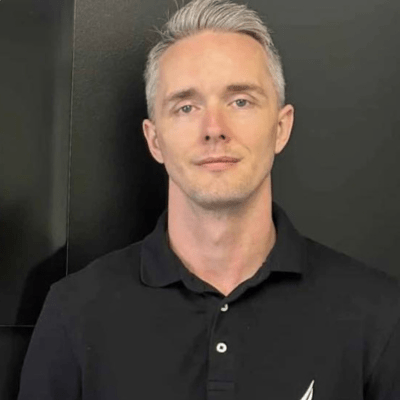
Dr. Vahid Osman, M.D.
✓ Medically Reviewed

Dr. Vahid Osman, M.D.

Board-Certified Psychiatrist and Addictionologist

Last Reviewed: August 2025

View Medical Reviewer Profile →
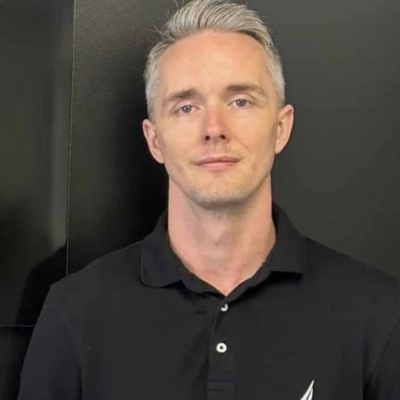
Josh Sprung, L.C.S.W.
✓ Clinically Reviewed

Josh Sprung, L.C.S.W.

Board Certified Clinical Social Worker

Last Reviewed: August 2025

View Clinical Reviewer Profile →
Accreditations & Credentials

Our Verifications & Affiliations

The Joint Commission
The Joint Commission – Gold Seal of Approval®
CARF
CARF International – 3-Year Accreditation
LegitScript Certified
LegitScript – Verified Advertising Compliance
HIPAA Compliant
HIPAA – Patient Privacy Protection
ASAM
ASAM Member – Science-based treatment standards
Psychology Today Verified
Psychology Today Verified – Listed & trusted
BBB Accredited
BBB Accredited – A– Rating
Nashville Chamber of Commerce
Nashville Chamber of Commerce Member

Get Family Support Now


Supporting Families Through Recovery

We understand addiction affects the whole family. Our comprehensive family program helps rebuild trust and restore relationships.

 Weekly Family Therapy Sessions

 Educational Workshops

 Support Groups

 Communication Skills Training
Get Family Support Now
Get Directions to Tulip Hill Recovery
Help Is Standing By
Someone will get back to you as soon as possible
Secret Link