Benzodiazepine Detox in Murfreesboro, TN
Benzodiazepines can provide relief from anxiety, panic attacks, insomnia, and other medical conditions, but prolonged use can lead to physical dependence and addiction. Many individuals begin taking medications such as Xanax, Klonopin, Ativan, or Valium under the supervision of a physician and never expect to struggle with withdrawal when attempting to stop.
At Tulip Hill Recovery, we provide comprehensive benzodiazepine detox services in Murfreesboro, Tennessee for individuals seeking a safe and supportive path toward recovery. Because benzodiazepine withdrawal can be medically serious and potentially life-threatening, professional treatment is often the safest way to begin the recovery process.
Our experienced clinical team helps clients safely navigate withdrawal symptoms while preparing for long-term recovery through evidence-based addiction treatment, dual diagnosis care, and individualized treatment planning.
If you or someone you love is struggling with benzodiazepine dependence, Tulip Hill Recovery is here to help.
Physician-Reviewed Information
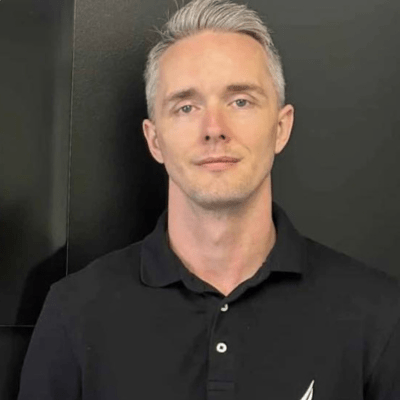
Medically Reviewed by Dr. Vahid Osman, M.D.
Board-Certified Psychiatrist & Addictionologist
This content has been reviewed for medical accuracy regarding benzodiazepine withdrawal, addiction treatment, detoxification, and co-occurring mental health disorders. Because benzodiazepine withdrawal can result in serious medical complications, individuals should never abruptly stop taking benzodiazepines without consulting a qualified healthcare professional.
What Are Benzodiazepines?
Benzodiazepines are prescription medications that slow activity in the central nervous system. They work by enhancing the effects of gamma-aminobutyric acid (GABA), a neurotransmitter that promotes relaxation and reduces excessive brain activity.
These medications are commonly prescribed for anxiety disorders, panic attacks, insomnia, seizure disorders, muscle spasms, and alcohol withdrawal management.
Common benzodiazepines include Xanax, Klonopin, Ativan, Valium, Librium, and Restoril.
Although these medications can be effective when used appropriately, prolonged use often results in tolerance and dependence. Over time, the brain begins relying on the medication to maintain normal functioning, making it increasingly difficult to stop without experiencing withdrawal symptoms.
Understanding Benzodiazepine Addiction
Benzodiazepine addiction often develops gradually.
Many individuals begin taking these medications exactly as prescribed. As tolerance develops, however, the original dosage may become less effective. Some people begin taking larger doses, using medication more frequently, or combining benzodiazepines with alcohol or other substances.
Eventually, the brain adapts to the presence of the medication and becomes dependent on it. At this stage, individuals may continue taking benzodiazepines not because they want to feel relaxed, but because they want to avoid withdrawal symptoms.
Addiction may develop when use continues despite negative consequences affecting relationships, employment, mental health, physical health, or overall quality of life.
Why Benzodiazepine Withdrawal Is Different
Not all substance withdrawal syndromes are the same. Benzodiazepine withdrawal is unique because these medications directly affect the brain’s inhibitory system.
Over time, the brain adjusts to the presence of benzodiazepines by altering natural GABA activity. When the medication is removed too quickly, the nervous system can become overstimulated.
This rebound effect may lead to severe anxiety, panic attacks, insomnia, tremors, elevated blood pressure, rapid heart rate, hallucinations, psychosis, and seizures.
Unlike many other forms of withdrawal, benzodiazepine withdrawal carries the potential for serious medical complications. This is why professional detoxification and medical supervision are strongly recommended.
Understanding the neurological nature of benzodiazepine dependence helps explain why stopping these medications can be so challenging, even for highly motivated individuals.
Benzodiazepine Misuse in Tennessee
Prescription medication misuse remains a significant public health concern throughout Tennessee. While opioids often receive the greatest attention, benzodiazepines continue to contribute to substance use disorders, overdose risks, and co-occurring mental health conditions.
Treatment providers throughout Murfreesboro, Nashville, Rutherford County, and Middle Tennessee regularly help individuals struggling with dependence on Xanax, Klonopin, Ativan, Valium, and other benzodiazepines.
Many individuals seeking treatment are also dealing with anxiety disorders, trauma, depression, or chronic stress. Early intervention and professional treatment can help prevent serious health consequences and improve recovery outcomes.
Signs and Symptoms of Benzodiazepine Addiction
Recognizing the signs of benzodiazepine addiction can help individuals seek treatment before dependence becomes more severe.
Common warning signs include taking larger doses than prescribed, running out of medication early, experiencing withdrawal symptoms between doses, doctor shopping, increasing reliance on benzodiazepines to cope with stress, and continuing use despite negative consequences.
Family members often notice changes such as increased isolation, emotional instability, memory problems, fatigue, decreased motivation, or difficulty fulfilling responsibilities at home, work, or school.
Seeking help early can significantly improve treatment outcomes and reduce the risks associated with long-term benzodiazepine use.
Benzodiazepine Withdrawal Symptoms
Withdrawal symptoms vary based on several factors, including the specific medication used, dosage, duration of use, individual health history, and whether other substances are involved.
Many individuals experience increased anxiety, panic symptoms, insomnia, irritability, restlessness, sweating, headaches, nausea, muscle tension, and difficulty concentrating.
More severe withdrawal symptoms may include hallucinations, psychosis, delirium, seizures, elevated blood pressure, and significant neurological distress.
Because symptoms can vary dramatically from person to person, professional evaluation is recommended before reducing or discontinuing long-term benzodiazepine use.
Benzodiazepine Withdrawal Timeline
The benzodiazepine withdrawal timeline differs depending on the medication involved.
Short-acting medications such as Xanax often produce symptoms within twenty-four hours of the last dose. Longer-acting medications such as Valium may have a delayed withdrawal onset.
During the first several days, anxiety, insomnia, restlessness, and irritability commonly emerge. As withdrawal progresses, symptoms may intensify before gradually improving through a carefully managed tapering process.
Some individuals experience post-acute withdrawal symptoms that persist for weeks or months after detox. These symptoms may include intermittent anxiety, sleep disturbances, cognitive difficulties, mood fluctuations, and cravings.
Understanding the withdrawal timeline helps individuals maintain realistic expectations and remain engaged in treatment throughout the recovery process.
Understanding Benzodiazepine Tapering
For many individuals, the safest approach to discontinuing benzodiazepines involves a gradual taper rather than abruptly stopping use.
A benzodiazepine taper slowly reduces medication dosage over time, allowing the brain and nervous system to adjust while minimizing withdrawal symptoms.
There is no universal taper schedule that works for everyone. Factors such as medication type, dosage, duration of use, age, physical health, and mental health history all influence treatment recommendations.
At Tulip Hill Recovery, treatment planning is individualized because every person’s experience with benzodiazepines is unique.
Common Benzodiazepines We Treat
Xanax Addiction Treatment
Xanax is one of the most commonly prescribed and misused benzodiazepines in the United States. Because it has a relatively short half-life, withdrawal symptoms may develop quickly after use stops.
Individuals struggling with Xanax addiction often experience significant anxiety, panic attacks, insomnia, irritability, and cravings during withdrawal. Professional treatment helps manage symptoms safely while addressing the underlying causes of addiction.
Klonopin Addiction Treatment
Klonopin is frequently prescribed for panic disorders and seizure disorders. Although it remains active in the body longer than Xanax, long-term use can still result in dependence and addiction.
Treatment focuses on safe withdrawal management, mental health stabilization, and relapse prevention.
Ativan Addiction Treatment
Ativan is commonly prescribed for anxiety and acute stress-related conditions. Dependence can develop even when the medication is taken exactly as prescribed.
Withdrawal symptoms often include anxiety, sleep disturbances, mood changes, agitation, and physical discomfort.
Valium Addiction Treatment
Valium is frequently prescribed for anxiety, muscle spasms, and alcohol withdrawal management. Although withdrawal symptoms may emerge more gradually, long-term use can still result in significant dependence.
Professional treatment helps individuals safely reduce and discontinue use while minimizing withdrawal complications.
Dual Diagnosis Treatment for Benzodiazepine Addiction
Many individuals struggling with benzodiazepine addiction are also living with underlying mental health disorders. In fact, medications such as Xanax, Klonopin, Ativan, and Valium are often initially prescribed to treat conditions that continue to affect an individual’s well-being long after dependence develops.
Anxiety disorders, panic disorder, PTSD, depression, bipolar disorder, insomnia, and chronic stress frequently occur alongside benzodiazepine addiction. When these underlying conditions are left untreated, recovery becomes significantly more difficult because the original reasons for substance use remain unresolved.
For example, someone who began taking Xanax for panic attacks may continue experiencing severe anxiety after discontinuing the medication. Similarly, individuals using benzodiazepines to cope with trauma may find emotional symptoms resurfacing during recovery.
At Tulip Hill Recovery, we provide dual diagnosis treatment that addresses both addiction and mental health concerns simultaneously. By treating the whole person rather than focusing solely on substance use, we help clients develop healthier coping strategies and create a stronger foundation for long-term recovery.
What Happens During Benzodiazepine Detox at Tulip Hill Recovery?
Every individual’s recovery journey begins with a comprehensive assessment designed to evaluate substance use history, mental health concerns, physical health conditions, current medications, and treatment goals.
Once the assessment is complete, our team develops a personalized detox plan tailored to the client’s specific needs.
Because benzodiazepine withdrawal can involve significant medical risks, treatment often focuses on stabilization, monitoring, and carefully managing symptoms throughout the detoxification process. Clients receive support from experienced professionals who understand the complexities of benzodiazepine dependence and withdrawal.
During detox, our clinical team helps individuals manage anxiety, sleep disturbances, mood changes, cravings, and other withdrawal-related challenges while preparing them for continued treatment.
Therapeutic services frequently begin during detox, allowing clients to start identifying triggers, understanding addiction patterns, and developing recovery skills from the earliest stages of treatment.
Our goal is not simply to help clients stop using benzodiazepines. Our goal is to help them build the foundation for a healthier and more fulfilling future.
Treatment After Benzodiazepine Detox
Detox is an important first step, but it is rarely enough to support lasting recovery on its own.
Addiction affects behavior, emotions, thought patterns, relationships, self-esteem, and overall quality of life. Long-term recovery requires ongoing treatment that addresses these underlying issues while helping individuals develop healthier coping strategies.
Following detox, clients may benefit from additional levels of care, including Partial Hospitalization Programs (PHP), Intensive Outpatient Programs (IOP), Outpatient Treatment, Individual Therapy, Group Counseling, Family Therapy, and Dual Diagnosis Treatment.
These services provide continued support while helping individuals identify triggers, prevent relapse, improve emotional regulation, rebuild relationships, and create sustainable recovery plans.
Research consistently demonstrates that individuals who engage in ongoing treatment following detox achieve significantly better long-term outcomes than those who attempt recovery without additional support.
Can Benzodiazepine Withdrawal Last for Months?
Many people assume that recovery ends once acute withdrawal symptoms subside. However, some individuals continue experiencing symptoms long after the initial detox period has ended.
This phenomenon is often referred to as Post-Acute Withdrawal Syndrome (PAWS) or protracted withdrawal.
Symptoms may include intermittent anxiety, mood fluctuations, sleep disturbances, difficulty concentrating, memory concerns, fatigue, and occasional cravings. While these symptoms can be frustrating, they often improve gradually as the brain and nervous system continue healing.
Experiencing prolonged symptoms does not mean recovery is failing. Rather, it reflects the time required for neurological systems to adjust following long-term benzodiazepine use.
Continued treatment, therapy, healthy lifestyle changes, and strong support networks can help individuals successfully navigate this stage of recovery.
Insurance Coverage for Benzodiazepine Detox
One of the most common concerns individuals have when seeking treatment is cost.
Fortunately, many health insurance plans provide coverage for medically necessary addiction treatment services, including detoxification and behavioral healthcare.
Depending on the specifics of your policy, insurance may help cover detox services, therapy, psychiatric care, medication management, dual diagnosis treatment, outpatient programming, and relapse prevention services.
Tulip Hill Recovery works with many major insurance providers, including:
Our admissions team provides complimentary insurance verification and can help you understand your benefits before beginning treatment.
Supporting a Loved One Through Benzodiazepine Addiction
Watching someone struggle with benzodiazepine addiction can be emotionally exhausting for families.
Many loved ones feel confused because the medication was originally prescribed by a physician. Others struggle to understand why someone cannot simply stop taking the medication on their own.
The reality is that benzodiazepine dependence creates neurological changes that can make discontinuation extremely difficult without professional support.
If you suspect a loved one is struggling with addiction, approach the conversation with empathy and concern rather than judgment. Focus on specific behaviors you have observed and express your desire to help rather than assigning blame.
Family education, therapy, and involvement in the treatment process can significantly improve recovery outcomes and strengthen support systems during early recovery.
Clinical Perspective on Benzodiazepine Withdrawal
At Tulip Hill Recovery, we frequently work with individuals who never expected to become dependent on benzodiazepines.
Many clients followed their physician’s instructions, took medications exactly as prescribed, and were surprised to discover how difficult stopping could become.
One of the most important things people learn during treatment is that physical dependence is not a sign of weakness or failure. Benzodiazepines create measurable changes within the brain and nervous system that can make discontinuation challenging even for highly motivated individuals.
Understanding the biological nature of dependence often helps reduce shame and encourages individuals to seek help sooner.
Recovery begins when people recognize that addiction is a treatable medical condition. With proper treatment, ongoing support, and individualized care, long-term recovery is absolutely possible.
Why Choose Tulip Hill Recovery for Benzodiazepine Detox?
Choosing the right treatment provider can make a significant difference in recovery outcomes.
At Tulip Hill Recovery, we are committed to providing compassionate, evidence-based care that addresses both the physical and psychological aspects of addiction. We understand that every person’s experience is different, which is why treatment is tailored to each individual’s needs, goals, and circumstances.
Clients choose Tulip Hill Recovery because of our individualized treatment plans, dual diagnosis expertise, evidence-based therapies, family-centered approach, relapse prevention focus, and commitment to long-term recovery success.
From your first phone call through every stage of treatment, our team is dedicated to helping you build a healthier future.
Serving Murfreesboro, Nashville, and Middle Tennessee
Tulip Hill Recovery proudly serves individuals and families throughout Murfreesboro, Nashville, Smyrna, La Vergne, Franklin, Brentwood, Lebanon, Gallatin, Hendersonville, Mount Juliet, Clarksville, Columbia, Spring Hill, Cookeville, Rutherford County, Davidson County, Williamson County, Wilson County, and surrounding Middle Tennessee communities.
Our location allows individuals across the region to access high-quality addiction treatment close to home while receiving the support needed to achieve lasting recovery.
Begin Benzodiazepine Detox in Murfreesboro Today
If benzodiazepine use has become something you rely on simply to get through the day, you are not alone.
Whether you are struggling with Xanax, Klonopin, Ativan, Valium, or another benzodiazepine, recovery is possible with professional support and evidence-based treatment.
At Tulip Hill Recovery, we help individuals safely navigate withdrawal, address underlying mental health concerns, and develop the skills needed for long-term recovery.
The first step is reaching out.
Contact our admissions team today for a confidential assessment, insurance verification, and personalized treatment recommendations.
You do not have to face benzodiazepine addiction alone.
Help is available, and recovery can begin today.
What is benzodiazepine detox?
Benzodiazepine detox is the process of safely reducing or discontinuing benzodiazepine use while managing withdrawal symptoms under professional supervision.
Why is benzodiazepine withdrawal dangerous?
Withdrawal can potentially cause seizures, psychosis, severe anxiety, hallucinations, and other serious medical complications.
Can I stop taking Xanax cold turkey?
Abruptly stopping Xanax or other benzodiazepines is generally not recommended due to the potential risks associated with withdrawal.
How long does benzodiazepine withdrawal last?
Withdrawal timelines vary depending on the medication, dosage, duration of use, and individual health factors.
What are the first signs of benzodiazepine withdrawal?
Common symptoms include anxiety, insomnia, irritability, restlessness, sweating, tremors, and difficulty concentrating.
What benzodiazepine is hardest to quit?
Every individual responds differently, but many people report intense withdrawal symptoms when discontinuing short-acting medications such as Xanax.
Can prescribed benzodiazepines cause addiction?
Yes. Dependence and addiction can develop even when medications are taken as prescribed.
What is a benzodiazepine taper?
A taper is a gradual reduction in medication dosage designed to reduce withdrawal symptoms and improve safety.
Can benzodiazepine withdrawal cause seizures?
Yes. Seizures are among the most serious potential complications associated with withdrawal.
Can benzodiazepine withdrawal cause psychosis?
In severe cases, withdrawal may contribute to hallucinations, confusion, and psychotic symptoms.
What is the kindling effect?
The kindling effect refers to worsening withdrawal symptoms that may occur after repeated cycles of stopping and restarting benzodiazepines.
Can benzodiazepine withdrawal raise blood pressure?
Yes. Increased blood pressure and heart rate can occur during withdrawal.
Does insurance cover benzodiazepine detox?
Many insurance plans provide coverage for medically necessary addiction treatment services.
What happens after detox?
Most individuals benefit from ongoing therapy, outpatient treatment, dual diagnosis care, and relapse prevention services.
How do I get started at Tulip Hill Recovery?
Simply contact our admissions team to schedule a confidential assessment and verify insurance benefits.

Call or message us

Free assessment

Insurance check

Choose a start date
![]() |
Medically Reviewed By:
Board-Certified Psychiatrist and Addictionologist
|
![]() |
Clinically Reviewed By:
Board Certified Clinical Social Worker
|
Our Verifications & Affiliations
Yes, Your Insurance Covers Detox and Rehab Treatment.
Get Family Support Now
Supporting Families Through Recovery
We understand addiction affects the whole family. Our comprehensive family program helps rebuild trust and restore relationships.
Weekly Family Therapy Sessions
Educational Workshops
Support Groups
Communication Skills Training