Yoga and Mindful Movement
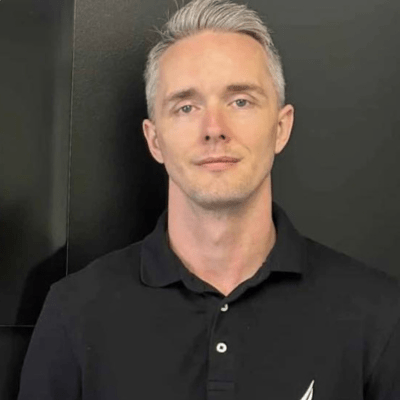
Gentle movement practices may improve body awareness, emotional regulation, flexibility, and stress management.
Holistic addiction treatment takes a whole-person approach to recovery by addressing substance use alongside emotional health, physical wellness, stress, relationships, daily routines, and long-term recovery goals.
Tulip Hill Recovery combines evidence-based addiction and mental health treatment with complementary practices such as mindfulness, movement, nutrition, meditation, expressive therapy, and wellness-focused coping skills.
Holistic addiction therapy focuses on healing the whole person physically, mentally, emotionally, and spiritually rather than treating substance use in isolation.
At its core, holistic therapy blends proven clinical approaches such as individual counseling, group therapy, psychiatric support, CBT, DBT, and trauma-informed care with complementary wellness practices.

Gentle movement practices may improve body awareness, emotional regulation, flexibility, and stress management.
Breathing exercises and meditation can help calm the nervous system, increase present-moment awareness, and reduce reactivity.
Balanced nutrition can support energy, sleep, mood stability, physical healing, and overall recovery wellness.
When available and clinically appropriate, complementary wellness services may be used to support relaxation and overall well-being.
Expressive therapies provide creative ways to process emotions, build insight, and communicate experiences that may be difficult to express verbally.
Mindfulness helps clients identify thoughts, emotions, cravings, and triggers without responding automatically.
Traditional treatment methods are essential, but symptom management alone may not address the deeper emotional, physical, relational, and lifestyle factors connected to addiction.
Holistic treatment expands the recovery process by helping clients reconnect with their values, bodies, emotions, relationships, and sense of purpose.
Treatment plans reflect each client’s history, symptoms, strengths, goals, preferences, and clinical needs.
Mindfulness, breathing, movement, and wellness practices may help clients respond to stress more effectively.
Clients learn to recognize patterns, triggers, emotions, and physical signals that may affect recovery.
Whole-person care can be especially meaningful for people experiencing trauma, chronic stress, burnout, or emotional disconnection.
Clients develop practical routines and coping skills that can continue beyond formal treatment.

Art and music therapy can offer clients a different way to explore emotions, memories, identity, and personal goals.
Creative expression may be especially helpful for individuals who find it difficult to explain their experiences through conversation alone.
When integrated with individual therapy, group counseling, and psychiatric care, expressive therapies can support insight, emotional processing, confidence, and healthy self-expression.
Holistic addiction treatment may be a good fit for individuals who want evidence-based care that also addresses emotional, physical, and lifestyle wellness.
You may have completed treatment before but still felt disconnected, overwhelmed, or unprepared for long-term recovery.
Stress-reduction practices may complement therapy by helping you regulate difficult emotions and physical tension.
Holistic care can offer multiple ways to engage in treatment based on your needs and preferences.
Mindfulness, movement, nutrition, and expressive therapies may help you reconnect with your body and build healthier routines.
Holistic therapy at Tulip Hill Recovery is inclusive and non-denominational. Clients do not need to hold any particular spiritual or religious belief to benefit from whole-person care.
Holistic services may be incorporated throughout the treatment process according to each client’s clinical needs, stability, and level of care.
Medically supervised detox supports safe stabilization while the treatment team addresses withdrawal symptoms, emotional needs, and the next phase of care.
PHP provides a highly structured outpatient schedule with intensive therapy, clinical oversight, recovery education, and holistic support.
IOP offers structured treatment several days per week while allowing clients to live at home or in sober living and continue work, school, or family responsibilities.
Aftercare supports continued therapy, relapse prevention, peer connection, wellness routines, and long-term accountability.
Integrated treatment addresses addiction and co-occurring mental health concerns together through coordinated clinical and wellness support.
Substance use and mental health conditions often affect sleep, stress regulation, mood, relationships, physical wellness, and the ability to maintain daily routines.
At Tulip Hill Recovery, dual diagnosis treatment addresses addiction and mental health concerns together rather than treating them as separate problems.
Holistic services are integrated alongside evidence-based clinical treatment, which may include CBT, DBT-informed skills, trauma therapy, medication management, individual counseling, and group therapy.
Our multidisciplinary team brings medical and behavioral health expertise to addiction and mental health treatment.
Holistic therapy combines evidence-based addiction and mental health treatment with complementary practices that support physical, emotional, and overall wellness.
Traditional therapy often focuses on thoughts, emotions, and behavior. Holistic therapy adds mind-body and wellness practices such as mindfulness, movement, nutrition, meditation, and creative expression.
Services may include mindfulness, meditation, breathwork, yoga-based movement, stress reduction, expressive therapy, wellness education, and nutritional support.
Holistic services are used as complements to evidence-based clinical treatment, not substitutes for medical, psychiatric, or therapeutic care.
Holistic practices may help improve stress regulation, self-awareness, emotional processing, sleep, coping skills, and connection to healthy routines.
It may benefit people who want a more personalized approach, have experienced trauma or chronic stress, or want to strengthen the connection between physical and emotional wellness.
Yes. Holistic therapies are integrated alongside individual counseling, group therapy, psychiatric support, and other clinical services.
No specific religious belief is required. Holistic care is inclusive and can be adapted for clients who are spiritual, secular, religious, or unsure.
Coverage depends on your insurance plan, medical necessity, level of care, network status, and the specific services included in treatment.
Contact the admissions team for a confidential consultation and complimentary insurance verification.
Tulip Hill Recovery combines compassionate clinical care with holistic therapies that support healing across the mind, body, and emotions.
Whether you are beginning treatment for the first time or looking for a more personalized approach after a previous treatment experience, our admissions team can help you understand your options.









Get Family Support Now
Supporting Families Through Recovery
We understand addiction affects the whole family. Our comprehensive family program helps rebuild trust and restore relationships.
Weekly Family Therapy Sessions
Educational Workshops
Support Groups
Communication Skills Training