1800 S Rutherford Blvd #103 Murfreesboro, TN 37130

Drug and Alcohol Rehab near Clarksville, Tennessee

Real Help for Real Life Near Clarksville and Fort Campbell

In Clarksville, addiction often develops in a way that is difficult to recognize at first.

For many individuals connected to Fort Campbell, life is structured, demanding, and fast-paced. There are expectations to meet, responsibilities to carry, and very little room for things to slow down. Whether you are active duty, a veteran, or part of a military family, the pace of life can make it easy to overlook changes in how you are feeling.

From the outside, everything may still appear stable. You are showing up, doing your job, taking care of responsibilities, and handling what is expected of you. But internally, things can feel different. Stress builds and stays elevated. Sleep becomes inconsistent or difficult. You may feel constantly on edge or mentally exhausted.

Over time, alcohol or other substances can begin to fill a role. At first, it may feel like a way to unwind, disconnect, or finally get some rest. Eventually, it can begin to feel like something you rely on just to maintain balance.

For many individuals in Clarksville and throughout Montgomery County, the challenge is not a lack of discipline or strength. It is carrying long-term stress, pressure, and sometimes trauma without a clear way to process it.

Tulip Hill Recovery provides drug and alcohol rehab near Clarksville, Tennessee that is designed for real life. Our programs are built to help you regain control, manage stress effectively, and move forward without stepping away from your responsibilities.


When Alcohol Becomes the Default Way to Cope

Alcohol is often one of the most common coping mechanisms in military and high-stress environments.

It is accessible, socially accepted, and often encouraged in certain settings. For many individuals, it becomes part of a routine. Something used to unwind after long days, take the edge off, or help with sleep.

Over time, that routine can shift.

What once felt optional begins to feel necessary. You may find yourself thinking about it earlier in the day. You may rely on it to fall asleep or relax. Without it, things feel more difficult to manage.

In Clarksville, this pattern is especially common among individuals dealing with long hours, high expectations, or unresolved stress. Because it develops gradually, it can be easy to overlook.

The concern is not just how often you drink. It is whether you feel in control of that pattern.

When alcohol becomes the default way to manage stress or emotions, it is often a sign that something deeper needs to be addressed.


PTSD, Stress, and Substance Use in Clarksville

For many individuals connected to Fort Campbell, substance use is closely tied to stress and trauma.

PTSD does not always appear in obvious ways. It is not always about specific events. It can show up as ongoing patterns that affect daily life.

You may experience:

  • difficulty sleeping or staying asleep
  • irritability or short temper
  • feeling constantly alert or unable to relax
  • avoiding situations or conversations
  • difficulty focusing or feeling mentally present

Alcohol and other substances are often used to manage these symptoms. In the short term, they can provide relief. They can quiet thoughts, reduce tension, or make it easier to sleep.

Over time, however, they tend to make those symptoms worse.

This creates a cycle. Stress or trauma leads to substance use. Substance use then increases anxiety, disrupts sleep, and makes emotional regulation more difficult. That leads to more reliance on substances.

Breaking that cycle requires more than willpower.

It requires understanding how these patterns are connected and learning new ways to manage stress, trauma, and daily life.

At Tulip Hill Recovery, treatment is designed to address both substance use and underlying mental health at the same time. This integrated approach is what allows real, lasting change to happen.


Clarksville Detox vs Real Recovery: What Most People Miss

Many people searching for help near Clarksville first encounter detox programs.

Detox serves an important purpose. It helps the body stabilize and safely manage withdrawal symptoms over a short period of time. For certain substances, this step is necessary before beginning ongoing treatment.

However, detox alone is not recovery.

For individuals dealing with stress, PTSD, or long-term behavioral patterns, detox addresses only the physical aspect of substance use. It does not change how stress is managed, how habits are formed, or how daily life is experienced.

This is where many people struggle.

They complete detox, return to their environment, and find themselves facing the same triggers, stressors, and routines that led to substance use in the first place. Without new tools or support, those patterns often return.

Real recovery requires more than stabilization. It requires:

  • structured therapy
  • behavioral change
  • stress management strategies
  • ongoing support

At Tulip Hill Recovery, our focus is on what happens after detox. Our programs are designed to help you build stability, develop new habits, and create a path forward that works in real life.


What Getting Help Looks Like From Clarksville

For many people, one of the biggest barriers to treatment is uncertainty.

You may not know what the process looks like or how it will affect your daily life. You may be concerned about privacy, time commitment, or how to balance treatment with your responsibilities.

Getting help starts with a simple conversation.

You speak with someone who understands your situation and takes the time to listen. There is no pressure and no expectation that you have everything figured out.

We work with you to understand:

  • your schedule
  • your responsibilities
  • your current challenges
  • your goals for change

From there, we help determine a level of care that fits your life.

Insurance or military benefits are verified, options are explained clearly, and you are able to move forward in a way that feels manageable.

You remain in control of the process the entire time.


Why Environment Matters in Addiction Recovery

Environment plays a major role in how addiction develops and how recovery takes place.

In Clarksville and Fort Campbell communities, many individuals operate in environments where stress is constant and expectations are high. There may be limited opportunities to slow down or process what is happening mentally and emotionally.

Substances can become a way to manage that pressure.

Recovery requires stepping back long enough to understand those patterns.

Treatment provides structure and space to evaluate what is happening. It allows you to identify triggers, adjust routines, and begin building healthier responses to stress.

It also prepares you to return to your environment with better tools.

The goal is not to remove you from your life. It is to help you function within it more effectively and with greater stability.


Addiction Treatment That Goes Beyond Just Stopping

Stopping substance use is an important step, but it is not the entire solution.

Many individuals in Clarksville are dealing with underlying challenges that contribute to substance use. These may include stress, anxiety, trauma, or emotional patterns that have developed over time.

If these issues are not addressed, it becomes difficult to maintain long-term progress.

Treatment at Tulip Hill Recovery focuses on the full picture.

Through individual therapy, group support, and evidence-based approaches such as trauma-informed care, you begin to understand the factors driving your behavior.

You develop new ways to manage stress, improve sleep, and respond to challenges.

This is what allows recovery to become sustainable rather than temporary.


Levels of Care for Drug and Alcohol Rehab Near Clarksville

Recovery is not one-size-fits-all, and neither is treatment.

Different individuals require different levels of support depending on their situation, history, and current needs.

Partial Hospitalization Programs provide a high level of structure and support during the day while allowing you to return home in the evening. This level is helpful for individuals who need intensive care but want to maintain a connection to their daily environment.

Intensive Outpatient Programs offer a balance between flexibility and structure. Sessions are scheduled multiple times per week, allowing individuals to receive consistent care while continuing to work or manage responsibilities.

Outpatient treatment provides continued support as you transition into long-term recovery. It reinforces progress, maintains accountability, and helps prevent relapse during a critical phase.

The most effective treatment is the one that you can remain engaged in over time. Consistency is what leads to lasting change.


Why Clarksville Residents Choose Outpatient Rehab

Outpatient rehab is often the most practical option for individuals in Clarksville.

Many people connected to Fort Campbell have responsibilities that make residential treatment unrealistic. Work schedules, family obligations, and daily responsibilities all play a role.

Outpatient programs allow individuals to receive structured treatment while maintaining their responsibilities.

They also provide an important advantage. Instead of being removed from daily stress, individuals learn how to manage it in real time.

This leads to stronger coping skills and a smoother transition into long-term recovery.


Common Substance Abuse Issues Near Clarksville, TN

Substance use in Clarksville reflects both broader national trends and the specific challenges of military-connected communities.

Alcohol remains one of the most common concerns, particularly as a coping mechanism for stress and sleep issues.

Prescription medications, including painkillers and anxiety medications, are also frequently involved. These often begin as legitimate treatments but can lead to dependence over time.

Opioid use continues to impact individuals across Montgomery County, including heroin and fentanyl.

Stimulants may also be present, especially among individuals dealing with fatigue or demanding schedules.

In many cases, substance use is closely connected to mental health and stress.


Family Support for Addiction in Clarksville

Addiction affects families just as much as individuals.

In military communities, families often experience stress related to deployment, transitions, and long-term uncertainty. When addiction is present, that stress can increase.

Loved ones may feel unsure how to help or may struggle with setting boundaries.

We provide support that helps families understand addiction, improve communication, and rebuild trust over time.


The Cost of Waiting Too Long to Get Help

Waiting to get help often feels easier in the moment.

However, over time, substance use patterns tend to become more difficult to manage. Stress increases, health declines, and relationships become more strained.

Taking action earlier allows for a more controlled and effective recovery process.


Insurance and Military Benefits for Rehab Near Clarksville

Cost is a common concern, particularly for individuals connected to the military.

Many insurance plans, including TRICARE, provide coverage for addiction treatment. This often includes outpatient programs such as PHP and IOP.

Our team helps verify your benefits and explain your options clearly so you understand what is available.


What Happens When You Contact a Rehab Center

Reaching out does not have to be complicated.

You will speak with someone who understands your situation and can guide you through your options.

There is no pressure. The focus is on helping you take the next step.


Moving Forward After Treatment

Recovery is an ongoing process.

After completing a program, we help you transition into daily life with continued support. This may include therapy, routines, and additional resources.

With the right plan, recovery becomes something you can maintain.


Start Your Recovery Journey Near Clarksville Today

If you are considering getting help, you do not need to wait.

You can take the first step in a way that fits your life.

Tulip Hill Recovery provides structured addiction treatment for individuals near Clarksville, Fort Campbell, and throughout Montgomery County.

When you are ready, we are here to help you move forward.

Frequently Asked Questions About Rehab Near Clarksville, TN

How do I know if I need rehab or if I can handle it on my own?

Many people in Clarksville, especially those connected to the military, are used to handling things independently.

The question is not whether you can push through. It is whether things are becoming harder to manage over time.

If you notice that alcohol or substance use is becoming something you rely on to sleep, manage stress, or get through the day, that is usually a sign that additional support could help. If you have tried to cut back and found it difficult to stay consistent, structured treatment may be the next step.


Is alcohol use common in military communities like Fort Campbell?

Yes, alcohol use is very common in military and high-stress environments.

It is often used as a way to decompress, manage stress, or improve sleep. Because it is socially accepted, it can be harder to recognize when use becomes problematic.

The concern is not just frequency, but dependence. When alcohol becomes something you rely on to function or regulate stress, it may be time to look at other options.


Can PTSD and addiction be treated at the same time?

Yes, and they should be.

PTSD and substance use are often closely connected. Many individuals use alcohol or other substances to manage symptoms such as anxiety, sleep disturbances, or intrusive thoughts.

Treating only the substance use without addressing PTSD often leads to relapse. Effective treatment focuses on both at the same time, using trauma-informed care and therapy-based approaches.


Will going to rehab affect my military career or command?

This is one of the most common concerns.

In many cases, seeking help voluntarily is viewed more positively than waiting until a situation becomes more serious. Policies can vary depending on your status and command, but early intervention is generally encouraged.

Confidentiality is maintained throughout treatment, and you can discuss your specific situation with admissions to understand how it may apply to you.


Does TRICARE cover addiction treatment near Clarksville?

In many cases, yes.

TRICARE often provides coverage for behavioral health and addiction treatment, including outpatient programs such as PHP and IOP. Coverage can vary depending on your plan and status, but many individuals are eligible for treatment benefits.

The best way to confirm is to have your benefits verified. This process is handled for you and explained clearly before you begin.


What is the difference between detox and rehab near Clarksville?

Detox focuses on the physical side of addiction. It helps manage withdrawal symptoms and stabilize the body over a short period of time.

Rehab focuses on long-term recovery. This includes therapy, stress management, behavioral change, and relapse prevention.

Most people need more than detox alone. Without follow-up treatment, it is common to return to the same patterns that led to substance use.


Do I need to complete detox before starting outpatient rehab?

It depends on the substance and level of use.

For alcohol, opioids, or benzodiazepines, detox may be recommended to safely manage withdrawal before beginning outpatient treatment. For other situations, you may be able to begin outpatient care directly.

A clinical assessment helps determine the safest and most effective starting point.


Can I continue working or fulfilling duties while in treatment?

Yes. Many outpatient programs are specifically designed for individuals who need to maintain work, military duties, or family responsibilities.

Programs are structured to provide consistent support while still allowing flexibility. This is one of the main reasons outpatient rehab is often the preferred option in Clarksville.


How long does rehab usually last?

Treatment length varies depending on your needs.

Many individuals begin with a more structured program and then transition into lower levels of care over time. This process can take several weeks to a few months.

The focus is not on completing treatment quickly, but on building stability that lasts.


What happens during a typical day in outpatient rehab?

A typical day includes a combination of therapy and structured support.

This may include individual counseling, group therapy, and sessions focused on stress management, relapse prevention, and coping skills. Some programs also include trauma-focused care for individuals dealing with PTSD.

The goal is to provide both support and practical tools that can be used in everyday life.


What if I have tried treatment before or relapsed?

Relapse is more common than most people think and does not mean treatment has failed.

It often indicates that a different level of support or a more structured approach is needed. Many people who achieve long-term recovery have experienced relapse at some point.

What matters most is re-engaging and adjusting the approach.


Is treatment confidential?

Yes.

Addiction treatment providers follow strict confidentiality laws, including HIPAA regulations. Your information is protected, and your participation in treatment is not shared without your consent.

If you have specific concerns related to military or professional responsibilities, those can be discussed before starting.


What makes rehab near Clarksville different from going to Nashville?

For many people, convenience and consistency are key.

Choosing a program near Clarksville allows you to stay closer to home, reduce travel time, and maintain your routine. This makes it easier to stay engaged in treatment over time.

Consistency is one of the most important factors in recovery, and accessibility plays a major role in that.


Can I get help even if I am not sure I am ready to quit completely?

Yes.

You do not need to be fully certain before reaching out. Many people start by having a conversation, learning about their options, and understanding what change could look like.

Taking the first step does not mean committing to everything immediately. It simply means exploring a way forward.

→ Geographic & Service Area

Location-based and “Areas Serviced” pages on the Tulip Hill Recovery website are intended to provide general informational content about addiction treatment services and regional access to care. These pages may reference cities, counties, states, or communities where individuals commonly travel from or inquire about services. However, references to specific geographic areas do not constitute a guarantee of physical facility presence, in-network status, immediate availability, or service delivery within that exact location.

Tulip Hill Recovery provides treatment services at designated facilities, and admissions are based on clinical appropriateness, availability, licensing regulations, and individualized assessment. Not all services are available in every region, and placement decisions are subject to medical necessity, staffing capacity, and regulatory considerations. Information presented on geographic pages is educational and designed to help individuals understand treatment options that may be accessible to them.

Transport arrangements, referrals, or coordination of care across state lines may be subject to additional legal, medical, and insurance requirements. State-specific regulations, licensing standards, and insurance mandates may affect eligibility, coverage, or program participation. Individuals are encouraged to contact Tulip Hill Recovery directly to confirm service availability, admissions criteria, and logistical considerations before making travel or treatment decisions.

Insurance coverage for out-of-area treatment may vary depending on network status, policy type, and medical necessity determinations. Tulip Hill Recovery does not guarantee that insurance plans will approve services across geographic regions. Verification of benefits must be completed prior to admission.

If you are experiencing a medical emergency — including overdose, severe withdrawal symptoms, suicidal thoughts, or immediate danger — call 911 immediately or seek care at the nearest emergency department. Geographic content on this website is not intended for crisis intervention.

Use of this website, including reviewing area-specific pages or submitting contact forms, does not establish a provider–patient relationship. Admission into treatment occurs only after clinical assessment and formal intake procedures. Recovery outcomes vary by individual, and no guarantees are made regarding placement, travel arrangements, or treatment results.

Start Your Journey to Healing Today

Call or message us

You’ll connect with a compassionate admissions coordinator who understands what you’re going through.

Free assessment

We’ll ask about your drug use, medical history, and mental health to help build the right plan.

Insurance check

We’ll verify your benefits and explain exactly what’s covered—no surprises.

Choose a start date

If you’re ready, we can often schedule your intake the same week.

Get Family Support Now


Supporting Families Through Recovery

We understand addiction affects the whole family. Our comprehensive family program helps rebuild trust and restore relationships.

 Weekly Family Therapy Sessions

 Educational Workshops

 Support Groups

 Communication Skills Training
Get Family Support Now
Contributors

This content has been reviewed for accuracy, clarity, and alignment with current behavioral health and addiction treatment standards.

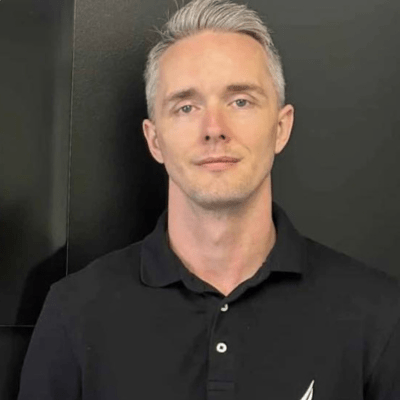
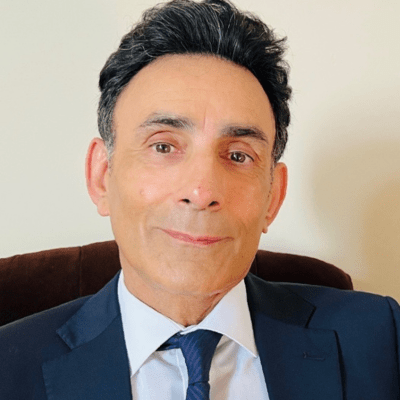
Dr. Vahid Osman, MD

Medical Reviewer:

Dr. Vahid Osman, M.D.

Board-Certified Psychiatrist & Addiction Specialist

Dr. Osman specializes in addiction medicine, dual diagnosis treatment, and evidence-based psychiatric care.

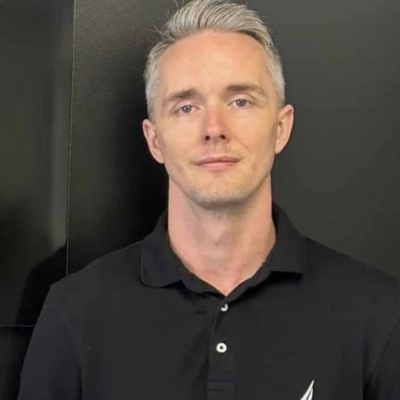
Josh Sprung LCSW

Clinical Reviewer:

Josh Sprung, L.C.S.W.

Board Certified Clinical Social Worker

Josh Sprung provides clinical oversight with a focus on therapy-based treatment, behavioral health interventions, and long-term recovery support.

Accreditations & Credentials

Our Verifications & Affiliations

The Joint Commission
The Joint Commission – Gold Seal of Approval®
CARF
CARF International – 3-Year Accreditation
LegitScript Certified
LegitScript – Verified Advertising Compliance
HIPAA Compliant
HIPAA – Patient Privacy Protection
ASAM
ASAM Member – Science-based treatment standards
Psychology Today Verified
Psychology Today Verified – Listed & trusted
BBB Accredited
BBB Accredited – A– Rating
Nashville Chamber of Commerce
Nashville Chamber of Commerce Member
Sources

Substance Abuse and Mental Health Services Administration. (2023).
Key substance use and mental health indicators in the United States: Results from the 2022 National Survey on Drug Use and Health.
U.S. Department of Health and Human Services.
https://www.samhsa.gov/data/

National Institute on Drug Abuse. (2020).
Drugs, brains, and behavior: The science of addiction.
National Institutes of Health.
https://nida.nih.gov/publications/drugs-brains-behavior-science-addiction

National Institute on Drug Abuse. (2023).
Treatment approaches for drug addiction.
National Institutes of Health.
https://nida.nih.gov/publications/drugfacts/treatment-approaches-drug-addiction

National Institute of Mental Health. (2023).
Substance use and co-occurring mental disorders.
https://www.nimh.nih.gov/health/topics/substance-use-and-mental-health

National Institute on Alcohol Abuse and Alcoholism. (2023).
Alcohol use disorder (AUD): Overview.
https://www.niaaa.nih.gov/

McLellan, A. T., Lewis, D. C., O’Brien, C. P., & Kleber, H. D. (2000).
Drug dependence, a chronic medical illness: Implications for treatment, insurance, and outcomes evaluation.
Journal of the American Medical Association, 284(13), 1689–1695.

Tennessee Department of Health. (2024).
Overdose surveillance and prevention data.
https://www.tn.gov/health/odsurveillance.html

Tennessee Department of Mental Health and Substance Abuse Services. (2024).
Fast facts on substance abuse and mental health services in Tennessee.
https://www.tn.gov/behavioral-health/research/fast-facts.html

Mental Health Statistics. (2026).
Substance use disorder statistics in Tennessee.
https://mhstats.org/tennese/substance-use-disorder/

Centers for Disease Control and Prevention. (2026).
Drug overdose prevention and data resources.
https://www.cdc.gov/overdose-prevention/data-research/facts-stats/index.html

World Federation for Mental Health. (2024).
Tennessee drug and alcohol statistics.
https://www.wfmh.org/stats/tennessee-drug-alcohol-statistics

Yes, Your Insurance Covers Detox and Rehab Treatment.

Most Clients pay $0 Out of Pocket

Get Family Support Now


Supporting Families Through Recovery

We understand addiction affects the whole family. Our comprehensive family program helps rebuild trust and restore relationships.

 Weekly Family Therapy Sessions

 Educational Workshops

 Support Groups

 Communication Skills Training

Get Family Support Now
Secret Link