1800 S Rutherford Blvd #103 Murfreesboro, TN 37130

Drug and Alcohol Rehab near Shelbyville, TN

Real Help for Real Life in Shelbyville, TN

In Shelbyville, addiction rarely begins in a way that feels dramatic or immediately concerning. It does not typically start with a single event or a moment where everything clearly breaks down. Instead, it develops gradually, often within the structure of a life that already feels demanding, predictable, and full of responsibility.

Most individuals in Bedford County are not disengaged from life. They are working consistently, maintaining routines, supporting families, and meeting expectations day after day. Whether that means working in agriculture, manufacturing, construction, or commuting toward Murfreesboro or Nashville, the expectation is the same. You show up, you perform, and you keep going regardless of how you feel.

Over time, that sustained pressure begins to accumulate.

What often changes first is not outward behavior, but internal experience. Stress becomes more constant rather than situational. Sleep becomes less restorative. Energy declines even when routines remain unchanged. Mentally, there is less recovery between responsibilities.

In that environment, substances often begin as a form of relief. Alcohol, prescription medications, or other substances may initially provide a sense of calm, rest, or reset. The shift is subtle but important. What begins as occasional use becomes functional use.

For many individuals in Shelbyville, the issue is not lack of control. It is the absence of sustainable recovery within a high-demand lifestyle.


When Substance Use Stops Feeling Like a Choice

From a behavioral perspective, addiction rarely begins with loss of control. It begins with reinforcement. A substance produces a desired effect, and the brain begins to associate that substance with relief. Over time, that association strengthens and becomes more automatic.

In working communities like Shelbyville, this process is often accelerated by lifestyle demands. Individuals who are managing physical exhaustion, emotional stress, or long hours are more likely to rely on immediate forms of relief. Substances provide that relief quickly and consistently.

At first, use is intentional and controlled.

However, repeated use leads to neurological adaptation. The brain begins to require more of the substance to achieve the same effect. This is tolerance, and it is a predictable biological response. As tolerance increases, frequency often increases as well.

Eventually, the shift occurs from optional use to functional dependence.

At this stage, individuals may notice that without the substance, they feel less capable of managing daily stress, less able to relax, or more mentally fatigued. Daily functioning begins to feel more difficult without it. Importantly, this does not always disrupt external stability. Work may continue. Responsibilities may still be met.

But internally, the effort required to maintain that stability increases significantly.

Recognizing this stage early allows for intervention before the pattern becomes more deeply ingrained.


Detox vs Real Recovery: What Most People in Bedford County Miss

Detox is often misunderstood as the solution to addiction. In reality, it is only one component of a larger process.

Detox addresses physiological dependence. It allows the body to safely withdraw from substances and stabilize. This is particularly important for substances such as alcohol, opioids, and benzodiazepines, where withdrawal can present medical risks.

However, detox does not address the behavioral or psychological drivers of substance use.

In Shelbyville, those drivers are often tied to routine and environment. Chronic stress, physical fatigue, emotional suppression, and long-term coping patterns all contribute to substance use. Detox does not alter these factors. It does not change how stress is processed or how routines are structured.

This is why relapse is common when detox is not followed by structured treatment.

Recovery requires behavioral change. It involves identifying patterns, understanding triggers, and developing alternative responses that can be sustained in real-life environments. Without that component, individuals often return to the same conditions that contributed to substance use in the first place.

Effective treatment connects physical stabilization with long-term behavioral change. That connection is what creates lasting results.


Getting Help From Shelbyville: What the Process Actually Looks Like

For many individuals in Bedford County, uncertainty about the process is a major barrier to seeking help. There is often a perception that treatment requires stepping away from work, relocating, or making immediate long-term commitments.

In reality, the process is structured and manageable.

It typically begins with a consultation. This is not a commitment to treatment, but an opportunity to assess your situation, discuss your needs, and understand your options. During this stage, insurance is verified, and initial recommendations are made.

From there, a personalized treatment plan is developed. This plan takes into account your schedule, responsibilities, level of use, and goals. For many individuals in Shelbyville, outpatient treatment is the most practical option. It allows for continued employment while receiving structured support.

Transportation is also considered. Many individuals travel outside of Shelbyville to access programs that provide the appropriate level of care. This is often more effective than choosing a closer option that lacks flexibility or structure.

The process is designed to integrate into your life, not replace it. That integration is what makes consistent participation possible.


Limited Local Options in Shelbyville and Why That Matters

Access to addiction treatment in smaller communities is influenced by more than proximity. It is influenced by availability, flexibility, and the ability of a program to meet individual needs.

In Shelbyville and throughout Bedford County, treatment options can be limited in scope. Local services may not offer comprehensive outpatient programs, flexible scheduling, or specialized care for co-occurring mental health conditions.

This creates a practical barrier.

Individuals who are working full-time or managing family responsibilities often cannot adjust to rigid program structures. As a result, many delay seeking help, even when they recognize the need.

From a clinical standpoint, delayed intervention allows patterns to become more established. Tolerance increases, coping mechanisms become more fixed, and behavioral change becomes more difficult.

Access to appropriate care is critical.

For many individuals, this means traveling outside of Shelbyville to access programs that provide structured outpatient treatment and flexible scheduling. While this requires additional effort, it significantly improves the likelihood of consistent engagement.

Consistency is one of the strongest predictors of successful outcomes in addiction treatment.


What the First Week of Rehab Actually Feels Like

The first week of treatment is often misunderstood. Many individuals expect it to be overwhelming or highly intensive. In reality, it is structured to provide clarity and stability.

The primary goal during this phase is orientation.

Individuals begin by exploring their patterns of use in a guided setting. This includes identifying triggers, understanding behavioral cycles, and recognizing the relationship between stress and substance use. The focus is not on immediate change, but on understanding.

Therapeutic components are introduced gradually. These may include individual counseling, group sessions, and educational discussions. Each component is designed to be relevant to real-life situations, particularly those experienced in working environments like Shelbyville.

Routine is also established during this time. Regular attendance and structured scheduling create a sense of stability. This is particularly important for individuals transitioning from high-demand routines with little recovery time.

Many individuals report that this phase feels like a shift. Instead of reacting to stress, they begin to anticipate and manage it. This change in approach is foundational for long-term recovery.


Balancing Work, Commute, and Treatment in Bedford County

One of the most significant concerns for individuals considering treatment is whether it can be realistically integrated into their schedule. In Bedford County, where many individuals commute or work extended hours, this concern is valid.

Outpatient treatment is designed to address this challenge.

Programs are structured to allow individuals to maintain employment while receiving care. Sessions are typically scheduled outside of standard work hours, making participation more feasible.

This approach provides both practical and clinical benefits.

Practically, individuals are able to maintain income and fulfill responsibilities. Clinically, they are able to apply what they learn in treatment directly to their daily environment. This includes managing stress at work, navigating triggers, and adjusting routines in real time.

This immediate application reinforces learning and increases retention.

Over time, many individuals find that treatment improves overall functioning. Stress becomes more manageable, routines become more stable, and decision-making becomes more intentional.

Treatment becomes part of the solution, not an additional burden.


Why Rural Communities Face Different Challenges With Addiction

Addiction in rural communities presents unique challenges that are often overlooked.

Access to care is typically more limited. There are fewer providers, fewer specialized programs, and less flexibility in scheduling. In addition, social factors such as stigma and cultural expectations play a significant role.

In communities like Shelbyville, there is often a strong emphasis on self-reliance. Individuals may feel pressure to manage problems independently rather than seek external support. This can delay treatment, even when the need is recognized.

Over time, this delay allows patterns to become more entrenched.

Stress accumulates, coping mechanisms become more rigid, and substance use becomes more consistent. The longer this continues, the more difficult it becomes to initiate change.

Addressing these challenges requires both accessibility and understanding.

Treatment must be practical, flexible, and aligned with the realities of rural life. When those conditions are met, individuals are more likely to engage and remain consistent.


Understanding the Cost of Rehab Near Shelbyville

Cost is one of the most frequently cited concerns regarding treatment. It is also one of the most misunderstood.

Many individuals assume that treatment is financially out of reach. This assumption often prevents them from exploring available options.

In reality, outpatient treatment is designed to be accessible.

Compared to inpatient programs, outpatient care is significantly more affordable. In addition, most insurance plans include coverage for addiction treatment, particularly outpatient services.

The most effective approach is to verify coverage before making assumptions.

This process provides a clear understanding of what is covered, what costs may apply, and what options are available. In many cases, individuals find that treatment is far more manageable than expected.

Understanding cost accurately allows for informed decision-making.


What Happens When You Reach Out

Reaching out for help is often perceived as a major step. In practice, it is a straightforward and low-pressure process.

Initial contact typically involves a brief conversation. This may occur over the phone or through a secure online form. The purpose is to gather basic information and understand your situation.

There is no obligation to begin treatment at this stage.

Instead, the focus is on providing clarity. You receive information about available programs, scheduling options, and insurance coverage. This allows you to evaluate your options without pressure.

For many individuals, this initial step reduces uncertainty.

Once information is clear, the decision to move forward becomes more manageable.


Moving Forward

Recovery is not a single event. It is a process of building sustainable patterns that support long-term stability.

For individuals in Shelbyville, this means integrating recovery into daily life rather than separating from it. Work, family, and responsibilities continue. The difference is how they are managed.

With the right support, individuals develop more effective ways to handle stress, regulate emotions, and maintain balance. These changes are gradual but meaningful.

Over time, recovery becomes part of routine.

It is no longer something separate from life. It becomes the way life is managed.

Frequently Asked Questions About Rehab Near Shelbyville, TN

How do I know if I actually need rehab, or if I can manage this on my own?

Many people try to manage substance use on their own before considering treatment, and that is a normal first step. The difference usually comes down to consistency. If you have tried to cut back, stop, or control your use and find that the pattern keeps returning, it is often a sign that more structured support is needed. It is not about how severe things look from the outside. It is about whether the behavior is becoming harder to control over time and requiring more effort to maintain stability in your daily life.


Are there enough rehab options in Shelbyville, TN, or do I need to travel?

Shelbyville and Bedford County have limited access to specialized addiction treatment, especially when it comes to structured outpatient programs. While some services may exist locally, they often do not offer flexible scheduling or multiple levels of care. Because of this, many individuals travel to nearby areas such as Murfreesboro or Nashville to access more comprehensive programs. Traveling 20 to 40 minutes for treatment is very common and often leads to better outcomes because the care is more consistent and tailored to real-life needs.


Can I realistically go to rehab if I work full-time or have a physically demanding job?

Yes, and this is one of the primary reasons outpatient rehab exists. Many individuals in Shelbyville work long hours or physically demanding jobs, and stepping away completely is not an option. Outpatient programs are designed to work around that reality by offering sessions in the morning or evening. This allows you to continue working while receiving structured support. Over time, many people find that having treatment built into their schedule actually improves their ability to manage stress, energy, and focus at work.


What is the difference between detox, outpatient rehab, and inpatient treatment?

Detox is focused on the physical process of withdrawal and stabilization. It is typically short-term and addresses immediate medical concerns. Inpatient treatment involves staying at a facility full-time and is usually recommended for severe or unstable situations. Outpatient rehab, which is most common for people in Bedford County, allows you to live at home while attending structured therapy and support sessions. Each level serves a different purpose, but long-term recovery usually depends on continued outpatient care after detox or inpatient treatment.


What actually happens during rehab sessions?

Rehab sessions are structured but practical. You will participate in a combination of individual therapy, group sessions, and educational discussions. The focus is on understanding your patterns, identifying triggers, and learning how to manage stress without relying on substances. Group sessions often involve people dealing with similar challenges, which helps normalize the experience and reduce isolation. The goal is not just to talk about the problem, but to build real-life skills you can apply immediately in your daily routine.


How long does drug and alcohol rehab usually take?

The length of treatment depends on your individual situation, but most outpatient programs last between 4 and 12 weeks. Some individuals continue with ongoing support after completing the initial phase. The goal is not to complete treatment as quickly as possible, but to build sustainable habits and coping strategies. Short-term improvement is important, but long-term stability is the priority. Consistency over time is what leads to meaningful and lasting change.


Does insurance actually cover rehab near Shelbyville, TN?

In most cases, yes. Addiction treatment is considered essential behavioral health care, and many insurance plans include coverage for outpatient rehab. The amount covered depends on your specific plan, but many individuals find that a significant portion of treatment is already included. Insurance verification is typically completed before you begin, so you have a clear understanding of what is covered and what your out-of-pocket costs may be. This removes uncertainty and helps you make an informed decision.


What if I cannot afford rehab or do not have insurance?

Cost is a common concern, especially in working-class communities. While insurance covers a large portion for many people, there are still options if you do not have coverage. Some programs offer payment plans or adjusted fee structures based on your situation. It is important not to assume that treatment is out of reach without first exploring your options. In many cases, the cost of continuing the cycle of substance use is higher over time than the cost of getting structured help.


Is outpatient rehab effective for people in rural areas like Bedford County?

Yes, and in many cases, it is one of the most effective options. Outpatient rehab allows individuals to stay connected to their real-life environment while learning how to manage stress, triggers, and routines in real time. This is especially important in rural areas where daily responsibilities and work demands continue regardless of treatment. Instead of stepping away from your life, you are learning how to function within it more effectively, which leads to stronger long-term results.


What if I do not have a strong support system in Shelbyville?

Lack of local support is more common than people realize, especially in smaller communities. That is why structured treatment is so important. Rehab programs provide built-in support through therapists, group sessions, and ongoing accountability. Many individuals find that this becomes their primary support system, even if it is outside their immediate area. Over time, this support helps reduce isolation and builds confidence in managing situations independently.


How quickly can I start rehab after reaching out?

In most cases, you can begin the process within a few days. After your initial contact, your insurance is verified and a brief assessment is completed. Once that is done, a schedule is created based on your availability. The process is designed to move efficiently so that you can begin receiving support without long delays. Starting sooner often makes the transition easier because patterns are addressed before they become more deeply established.


What happens if I wait too long to get help?

Substance use patterns rarely stay the same over time. In most cases, they become more consistent and more difficult to manage. Tolerance increases, stress builds, and the amount of effort required to maintain daily functioning grows. Waiting does not make the situation easier. It often makes it more complex. Getting help earlier allows you to address the issue while it is still manageable and reduces the likelihood of more serious consequences developing over time.

→ Geographic & Service Area

Location-based and “Areas Serviced” pages on the Tulip Hill Recovery website are intended to provide general informational content about addiction treatment services and regional access to care. These pages may reference cities, counties, states, or communities where individuals commonly travel from or inquire about services. However, references to specific geographic areas do not constitute a guarantee of physical facility presence, in-network status, immediate availability, or service delivery within that exact location.

Tulip Hill Recovery provides treatment services at designated facilities, and admissions are based on clinical appropriateness, availability, licensing regulations, and individualized assessment. Not all services are available in every region, and placement decisions are subject to medical necessity, staffing capacity, and regulatory considerations. Information presented on geographic pages is educational and designed to help individuals understand treatment options that may be accessible to them.

Transport arrangements, referrals, or coordination of care across state lines may be subject to additional legal, medical, and insurance requirements. State-specific regulations, licensing standards, and insurance mandates may affect eligibility, coverage, or program participation. Individuals are encouraged to contact Tulip Hill Recovery directly to confirm service availability, admissions criteria, and logistical considerations before making travel or treatment decisions.

Insurance coverage for out-of-area treatment may vary depending on network status, policy type, and medical necessity determinations. Tulip Hill Recovery does not guarantee that insurance plans will approve services across geographic regions. Verification of benefits must be completed prior to admission.

If you are experiencing a medical emergency — including overdose, severe withdrawal symptoms, suicidal thoughts, or immediate danger — call 911 immediately or seek care at the nearest emergency department. Geographic content on this website is not intended for crisis intervention.

Use of this website, including reviewing area-specific pages or submitting contact forms, does not establish a provider–patient relationship. Admission into treatment occurs only after clinical assessment and formal intake procedures. Recovery outcomes vary by individual, and no guarantees are made regarding placement, travel arrangements, or treatment results.

Start Your Journey to Healing Today

Call or message us

You’ll connect with a compassionate admissions coordinator who understands what you’re going through.

Free assessment

We’ll ask about your drug use, medical history, and mental health to help build the right plan.

Insurance check

We’ll verify your benefits and explain exactly what’s covered—no surprises.

Choose a start date

If you’re ready, we can often schedule your intake the same week.
Contributors

This content has been reviewed for accuracy, clarity, and alignment with current behavioral health and addiction treatment standards.

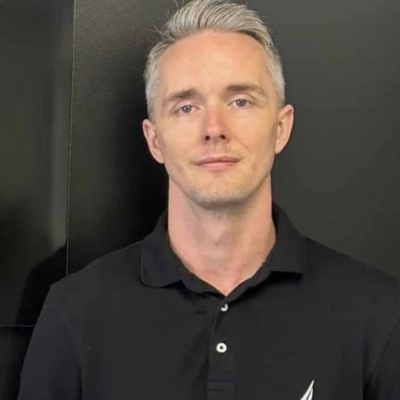
Dr. Vahid Osman, MD

Medical Reviewer:

Dr. Vahid Osman, M.D.

Board-Certified Psychiatrist & Addiction Specialist

Dr. Osman specializes in addiction medicine, dual diagnosis treatment, and evidence-based psychiatric care.

Josh Sprung LCSW

Clinical Reviewer:

Josh Sprung, L.C.S.W.

Board Certified Clinical Social Worker

Josh Sprung provides clinical oversight with a focus on therapy-based treatment, behavioral health interventions, and long-term recovery support.

Accreditations & Credentials

Our Verifications & Affiliations

The Joint Commission
The Joint Commission – Gold Seal of Approval®
CARF
CARF International – 3-Year Accreditation
LegitScript Certified
LegitScript – Verified Advertising Compliance
HIPAA Compliant
HIPAA – Patient Privacy Protection
ASAM
ASAM Member – Science-based treatment standards
Psychology Today Verified
Psychology Today Verified – Listed & trusted
BBB Accredited
BBB Accredited – A– Rating
Nashville Chamber of Commerce
Nashville Chamber of Commerce Member
Sources

Substance Abuse and Mental Health Services Administration. (2023).
Key substance use and mental health indicators in the United States: Results from the 2022 National Survey on Drug Use and Health.
U.S. Department of Health and Human Services.
https://www.samhsa.gov/data/

National Institute on Drug Abuse. (2020).
Drugs, brains, and behavior: The science of addiction.
National Institutes of Health.
https://nida.nih.gov/publications/drugs-brains-behavior-science-addiction

National Institute on Drug Abuse. (2023).
Treatment approaches for drug addiction.
National Institutes of Health.
https://nida.nih.gov/publications/drugfacts/treatment-approaches-drug-addiction

National Institute on Alcohol Abuse and Alcoholism. (2023).
Alcohol use disorder: Overview.
National Institutes of Health.
https://www.niaaa.nih.gov/

National Institute of Mental Health. (2023).
Substance use and co-occurring mental disorders.
National Institutes of Health.
https://www.nimh.nih.gov/health/topics/substance-use-and-mental-health

McLellan, A. T., Lewis, D. C., O’Brien, C. P., & Kleber, H. D. (2000).
Drug dependence, a chronic medical illness: Implications for treatment, insurance, and outcomes evaluation.
Journal of the American Medical Association, 284(13), 1689–1695.

Health Resources and Services Administration. (2023).
Rural health disparities and access to care.
U.S. Department of Health and Human Services.
https://www.hrsa.gov/rural-health

National Rural Health Association. (2022).
Substance use disorder in rural America: Challenges and solutions.
https://www.ruralhealthweb.org/

Tennessee Department of Health. (2024).
Drug overdose surveillance and prevention data.
https://www.tn.gov/health/odsurveillance.html

Tennessee Department of Mental Health and Substance Abuse Services. (2024).
Fast facts on mental health and substance abuse in Tennessee.
https://www.tn.gov/behavioral-health/research/fast-facts.html

Tennessee Department of Health. (2025).
Community health data reports for Tennessee counties.
https://www.tn.gov/health/

Centers for Disease Control and Prevention. (2024).
Drug overdose prevention: Data and research.
U.S. Department of Health and Human Services.
https://www.cdc.gov/overdose-prevention/data-research/facts-stats/index.html

Kaiser Family Foundation. (2022).
Mental health and substance use coverage trends.
https://www.kff.org/

Substance Abuse and Mental Health Services Administration. (2020).
National expenditures for mental health services and substance abuse treatment.
https://store.samhsa.gov/

Yes, Your Insurance Covers Detox and Rehab Treatment.

Most Clients pay $0 Out of Pocket

Get Family Support Now


Supporting Families Through Recovery

We understand addiction affects the whole family. Our comprehensive family program helps rebuild trust and restore relationships.

 Weekly Family Therapy Sessions

 Educational Workshops

 Support Groups

 Communication Skills Training
Get Family Support Now
Secret Link