1800 S Rutherford Blvd #103 Murfreesboro, TN 37130

Is There a Link Between Sugar Cravings and Opiate Addiction?

Understanding Sugar Cravings in Opiate Recovery

When someone begins the journey of opiate recovery, their body and mind undergo profound changes. Along with emotional ups and downs and the challenges of withdrawal, many notice an unexpected shift: an intense desire for sweets and sugary foods.

This craving often catches people off guard. Families may see their loved one reaching for candy, pastries, or soda far more often than before and wonder, “Is this normal? Is it safe?” For those in recovery, it can feel like trading one addiction for another.

But there’s more to this phenomenon than meets the eye. Understanding why sugar cravings occur can help loved ones support the recovery process with compassion and informed choices.

assortment of sugary foods on a table

Why Does the Brain Crave Sugar After Opioid Use?

The answer lies in how opioids interact with the brain’s reward system. Opioids flood the brain with dopamine—the feel-good chemical—creating a sense of euphoria. Over time, the brain adapts to this artificial stimulation by producing less dopamine naturally.

When opioids are no longer in the system, the brain struggles to restore balance. As a result, it searches for other quick ways to release dopamine. Sugary foods, which also trigger dopamine, become an easy substitute.

This isn’t simply a matter of willpower or “bad habits.” It’s a physiological response to withdrawal and recovery, driven by the brain’s need for reward and comfort.

Is It Dangerous to Indulge in Sugar During Recovery?

At first glance, reaching for sweets during recovery might seem harmless—even comforting. After all, addiction treatment is emotionally taxing, and small pleasures can provide relief.

However, excessive sugar consumption comes with its own risks. Over time, it can:

  • Disrupt blood sugar levels, leading to mood swings and fatigue
  • Contribute to weight gain, diabetes, and cardiovascular issues
  • Reinforce the same reward-seeking patterns that underlie addiction

Left unchecked, these cravings may also affect emotional stability and make recovery feel even more challenging.

The Emotional Role of Food in Healing

For many in recovery, sugary foods don’t just satisfy physical cravings—they also provide emotional comfort. Food becomes a way to cope with stress, anxiety, and lingering withdrawal symptoms.

At Tulip Hill Recovery, we recognize how deeply intertwined emotions and eating habits can be. That’s why we encourage clients to explore healthier ways of finding comfort, such as mindfulness, creative outlets, and balanced nutrition.

How Tulip Hill Recovery Supports Nutritional Wellness

Healing from addiction requires more than detoxifying the body. It means rebuilding a healthy relationship with food, emotions, and self-care.

Our holistic programs integrate nutritional guidance as part of comprehensive treatment. Clients work with caring professionals who help them:

  • Understand why cravings happen and how to manage them
  • Develop meal plans that support stable blood sugar and emotional balance
  • Replace sugary treats with nourishing, satisfying alternatives
  • Reconnect with their bodies and rebuild trust in their own hunger cues

This approach doesn’t just heal the body—it strengthens the foundation for lasting sobriety.

Take the First Step Toward Lasting Recovery

If you or someone you love is in recovery and struggling with cravings—whether for opioids or sugar—we’re here to help. With compassionate care and holistic treatment, healing is possible.

Call Tulip Hill Recovery today at (629) 201-2726 or contact us online to begin the journey toward a healthier, brighter future.

Call or message us

You’ll connect with a compassionate admissions coordinator who understands what you’re going through.

Free assessment

We’ll ask about your drug use, medical history, and mental health to help build the right plan.

Insurance check

We’ll verify your benefits and explain exactly what’s covered—no surprises.

Choose a start date

If you’re ready, we can often schedule your intake the same week.

About Tulip Hill Recovery

Tulip Hill Recovery is a trusted addiction treatment provider dedicated to helping individuals and families find lasting healing through compassionate, evidence-based care.

Our team understands that recovery is not one-size-fits-all, which is why we offer individualized treatment plans that support the whole person—mind, body, and spirit. Whether you’re seeking help for yourself or someone you love, Tulip Hill Recovery provides a safe, supportive environment where clients can begin rebuilding their lives with dignity and hope. From detox and residential care to outpatient services and ongoing support, we’re committed to guiding each person through every step of the recovery journey.

If you’re ready to take the first step, Tulip Hill Recovery is here to help you reclaim your life and move forward with confidence.

Contributors
Rehab in Dickson
Medically Reviewed By:

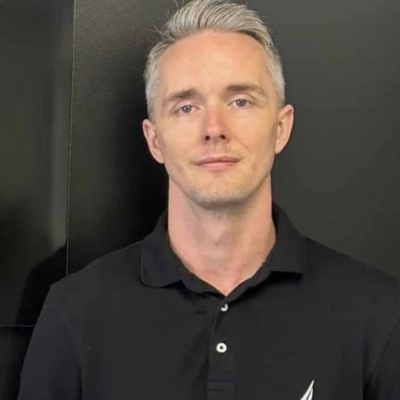
Dr. Vahid Osmanm, M.D.

Board-Certified Psychiatrist and Addictionologist
Clinically Reviewed By:

Josh Sprung, L.C.S.W.

Board Certified Clinical Social Worker
Accreditations & Credentials
Our Verifications & Affiliations

The Joint Commission
The Joint Commission – Gold Seal of Approval®
CARF
CARF International – 3-Year Accreditation
LegitScript Certified
LegitScript – Verified Advertising Compliance
HIPAA Compliant
HIPAA – Patient Privacy Protection
ASAM
ASAM Member – Science-based treatment standards
Psychology Today Verified
Psychology Today Verified – Listed & trusted
BBB Accredited
BBB Accredited – A– Rating
Nashville Chamber of Commerce
Nashville Chamber of Commerce Member

Yes, Your Insurance Covers Detox and Rehab Treatment.

Most Clients pay $0 Out of Pocket

Get Family Support Now


Supporting Families Through Recovery

We understand addiction affects the whole family. Our comprehensive family program helps rebuild trust and restore relationships.

 Weekly Family Therapy Sessions

 Educational Workshops

 Support Groups

 Communication Skills Training

Get Family Support Now
Secret Link