Respectful, Person-First Care
Substance use disorders are health conditions, not moral failures. Our team uses respectful, non-stigmatizing language and creates treatment plans around the individual rather than defining a person by a diagnosis.
Tulip Hill Recovery provides drug rehab in Murfreesboro, Tennessee for adults who need structured addiction treatment, mental health support, and a clear path forward. Care may include medical detox, residential treatment, PHP, IOP, dual diagnosis treatment, family support, and aftercare based on clinical need.
If drug use is affecting your health, relationships, work, or ability to stop on your own, our admissions team can help you understand treatment options, insurance benefits, and the appropriate next step.

Many people try to stop using drugs on their own before reaching out for help. Motivation matters, but addiction can affect the brain systems involved in reward, stress, decision-making, impulse control, and emotional regulation. These changes can make it difficult to remain abstinent through willpower alone.
Drug addiction is a treatable health condition. Professional treatment provides structure, clinical guidance, accountability, and a supportive environment in which clients can begin understanding their substance use and building healthier ways to manage triggers, cravings, and stress.
Call 911 immediately if someone may be overdosing, has lost consciousness, is having a seizure, or shows signs of a life-threatening medical emergency. Withdrawal from certain substances, including opioids and benzodiazepines, may also require medical supervision.
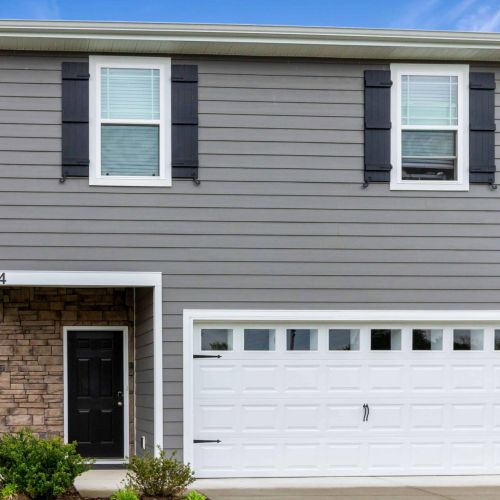
Drug addiction affects individuals and families throughout Murfreesboro and the wider Rutherford County community. Opioids, fentanyl, heroin, methamphetamine, cocaine, prescription medications, benzodiazepines, and polysubstance use can affect people from every background and stage of life.
Tulip Hill Recovery recognizes that addiction rarely develops in isolation. Treatment focuses on the whole person, including the experiences, symptoms, behaviors, and environmental pressures that may be connected to continued drug use.

Effective drug addiction treatment requires more than detoxification or a brief period of abstinence. Meaningful recovery involves identifying the factors that contribute to substance use, understanding patterns that reinforce addiction, and developing healthier ways to respond to cravings, stress, discomfort, and everyday challenges.
Each treatment plan is shaped around the client’s substance use history, mental health needs, physical health considerations, family circumstances, strengths, barriers, and personal goals.
Substance use disorders are health conditions, not moral failures. Our team uses respectful, non-stigmatizing language and creates treatment plans around the individual rather than defining a person by a diagnosis.
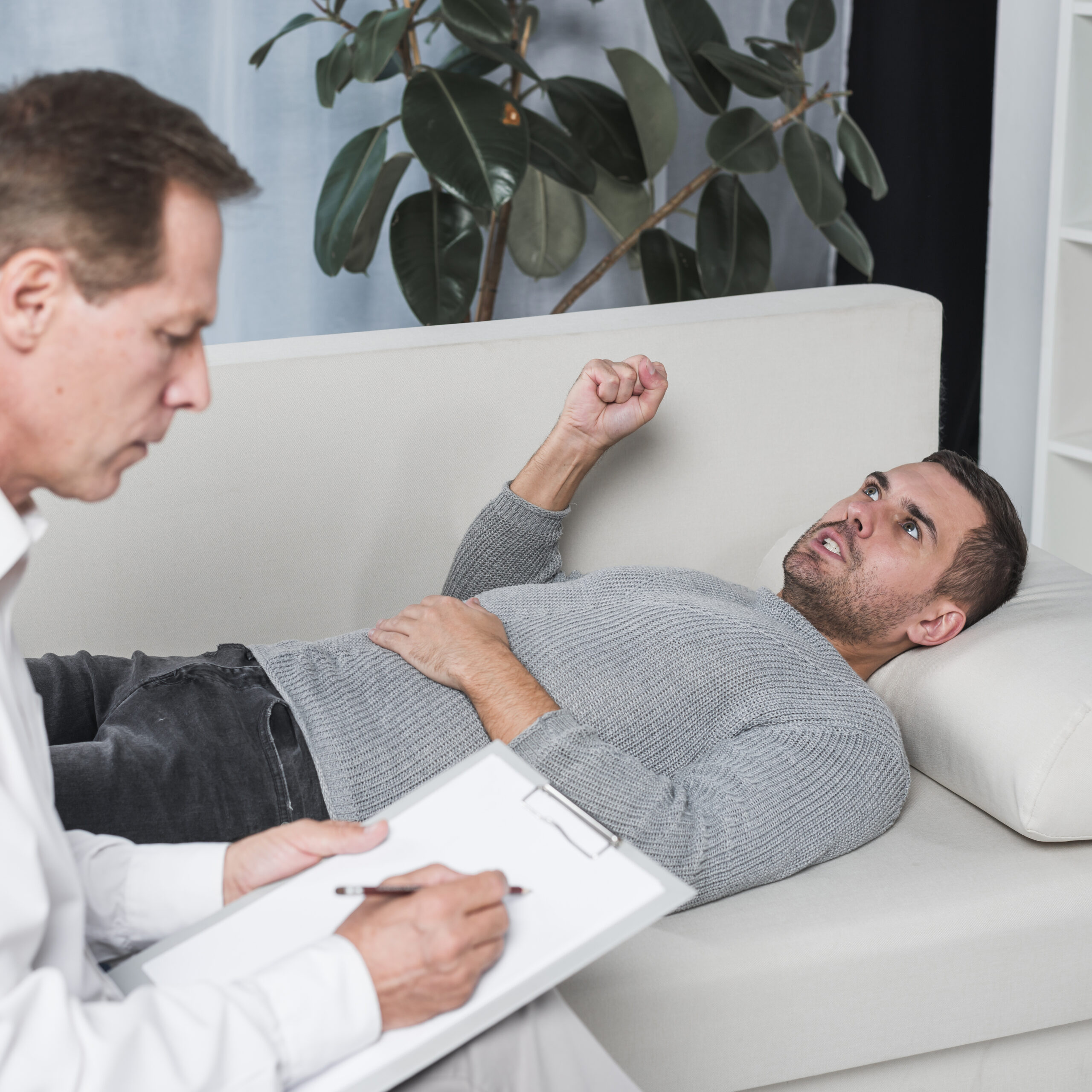
For some people, recovery begins with medically supervised detoxification. Withdrawal risk depends on the substance, pattern of use, physical dependence, medical history, and whether multiple substances are involved. Alcohol and benzodiazepine withdrawal can become medically dangerous, while opioid withdrawal can be intensely uncomfortable and may increase relapse risk.
Detox can help a person reach greater physical stability before transitioning into a more comprehensive addiction treatment program.

Residential treatment provides 24-hour structure and a recovery-focused environment where clients can step away from many of the triggers, routines, and pressures associated with continued substance use. It may be appropriate for people who need more support than outpatient care can provide.
Recovery often requires continued structure after detox or residential treatment, while some clients may enter outpatient care directly when clinically appropriate. Partial hospitalization and intensive outpatient services can provide ongoing therapy, accountability, psychiatric support when needed, and relapse-prevention work while clients begin managing everyday responsibilities.
PHP offers a high level of structured treatment without requiring overnight residence and may include frequent therapy, clinical monitoring, psychiatric support, and recovery education.
IOP provides scheduled therapy and recovery support while allowing clients to begin managing work, school, family, and other daily responsibilities.
Treatment may include behavioral therapy, relapse-prevention planning, recovery support, and medication-assisted treatment when clinically appropriate. Learn more about drug addiction treatment and individualized care options.
Stimulant treatment focuses on restoring stability, improving emotional regulation, rebuilding healthy routines, and managing cravings.
Treatment can address dependence, withdrawal risk, medication misuse, and the behavioral or mental health concerns that may contribute to continued use.
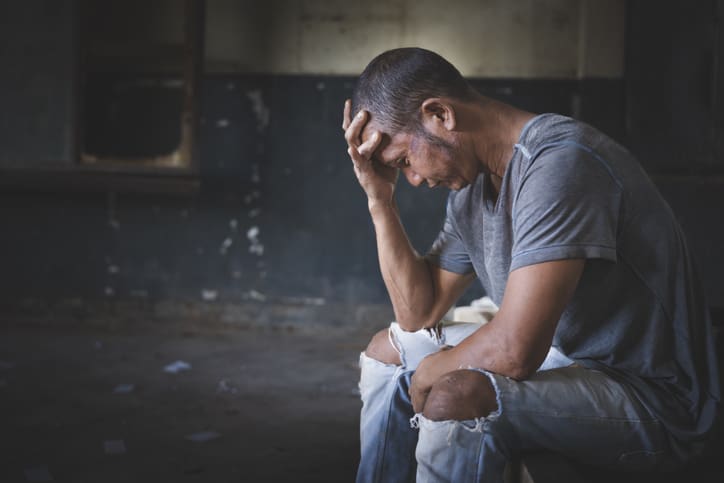
Drug addiction frequently occurs alongside anxiety, depression, trauma-related symptoms, bipolar disorder, grief, chronic stress, and other mental health concerns. Dual diagnosis care addresses substance use and mental health together rather than treating each issue in isolation.

Addiction affects more than the person using drugs. Family members may experience fear, anger, confusion, guilt, financial strain, broken trust, and emotional exhaustion while trying to help someone they love.
When appropriate, family therapy and education can help loved ones improve communication, set healthier boundaries, understand addiction, and begin rebuilding trust.
Completing a treatment program is an important milestone, but recovery continues long after formal care ends. Ongoing stability often depends on daily routines, supportive relationships, relapse-prevention strategies, and continued connection to recovery resources.
Before discharge, clients can work on identifying triggers, recognizing early warning signs, strengthening their support network, and establishing realistic goals for work, family life, physical health, and emotional wellbeing.
Tulip Hill Recovery serves adults and families from Murfreesboro and surrounding Rutherford County communities, including Smyrna, La Vergne, Christiana, Rockvale, Eagleville, Readyville, and other areas of Middle Tennessee.
Our admissions team can answer questions about drug rehab, discuss treatment options, and provide confidential insurance verification.
Drug rehab may be appropriate when substance use has become difficult to control, causes cravings or withdrawal, interferes with responsibilities, damages relationships, worsens mental health, or continues despite harmful consequences.
Not everyone needs medical detox, but withdrawal from opioids, benzodiazepines, and certain prescription medications may require medical supervision. An assessment can help determine whether stabilization is needed first.
Treatment may address opioid, fentanyl, heroin, cocaine, methamphetamine, prescription drug, benzodiazepine, and polysubstance addiction.
Dual diagnosis treatment addresses drug addiction and co-occurring mental health concerns at the same time, including anxiety, depression, trauma-related symptoms, bipolar disorder, and other conditions.
PHP generally provides more treatment hours and structure each week, while IOP offers scheduled therapy with greater flexibility for work, school, family, and other daily responsibilities.
Family involvement may be included when clinically appropriate. Family therapy and education can help loved ones improve communication, understand addiction, and set healthier boundaries.
The length of treatment varies based on substance use severity, mental health needs, withdrawal risk, progress in treatment, recovery environment, and the recommended level of care.
Many commercial insurance plans provide benefits for medically necessary addiction treatment. Coverage depends on the individual policy, network status, medical necessity, and recommended level of care.
Some outpatient levels of care may allow clients to continue managing work, school, or family responsibilities while attending scheduled treatment, depending on clinical needs and stability.
Continuing care may include outpatient treatment, therapy, psychiatric support, relapse-prevention planning, peer support, alumni services, and community recovery resources based on clinical need.
This page has been reviewed for clinical accuracy and reflects evidence-based practices in substance use disorder treatment, withdrawal management, dual diagnosis care, behavioral therapies, relapse prevention, and continuing recovery support. Treatment recommendations are informed by guidance from organizations including SAMHSA, NIDA, and ASAM.
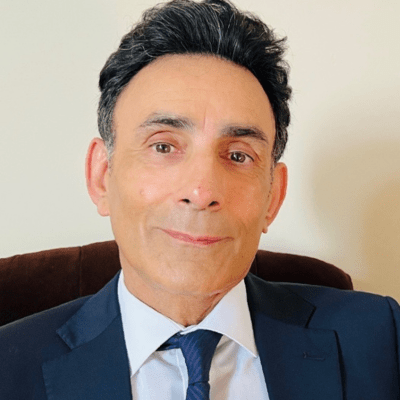
Board-Certified Psychiatrist and Addictionologist
Last Reviewed: August 18, 2026
View Medical Reviewer Profile →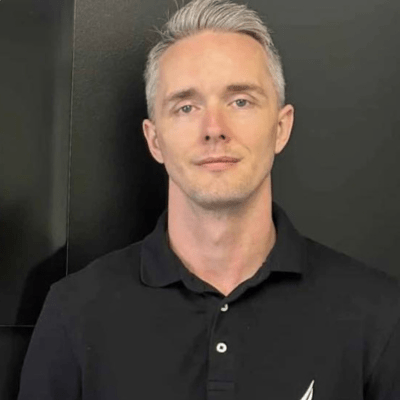
Board Certified Clinical Social Worker
Last Reviewed: August 12, 2026
View Clinical Reviewer Profile →



Get Family Support Now
Supporting Families Through Recovery
We understand addiction affects the whole family. Our comprehensive family program helps rebuild trust and restore relationships.
Weekly Family Therapy Sessions
Educational Workshops
Support Groups
Communication Skills Training