1800 S Rutherford Blvd #103 Murfreesboro, TN 37130

Drug and Alcohol Rehab in Murfreesboro

Real Help for Real Life in Rutherford County

If you’re searching for drug and alcohol rehab in Murfreesboro, it usually means something doesn’t feel sustainable anymore.

Maybe things have gradually shifted. Maybe it happened faster than expected. Or maybe you’re here because you’re worried about someone else.

In a growing city like Murfreesboro, life moves quickly. From neighborhoods around Blackman and Siegel to areas near MTSU and downtown along Broad Street, people are balancing work, family, and constant demands. It’s easy for substance use to slowly blend into daily life until it becomes harder to manage.

At Tulip Hill Recovery, we work with individuals and families across Murfreesboro and Rutherford County who are trying to figure out what comes next and how to move forward in a way that actually works.


When Addiction Starts to Feel Different

Addiction rarely begins with a clear turning point.

For many people in Murfreesboro, it develops gradually. Drinking becomes more frequent. Prescription medications are used more than intended. Stress, anxiety, or burnout begin to shape decisions in ways that feel harder to control.

We often speak with people who are still managing responsibilities but struggling privately. They may have tried to cut back and found it doesn’t last, or they feel increasingly dependent physically or emotionally.

It doesn’t have to reach a crisis point to be worth addressing.


What Getting Help Looks Like From Murfreesboro, TN

One of the biggest barriers to treatment is not knowing what happens next.

Most people don’t come in with a full plan. They start with a conversation.

When someone from Murfreesboro reaches out, whether they’re in zip codes like 37128, 37129, or 37130, the process begins by talking through what’s going on and what concerns them most.

From there, we help clarify what level of care makes sense. Some people need medical detox first. Others can begin with structured outpatient care.

There’s no assumption and no pressure. The goal is to understand what will actually help.


Why Environment Matters in Addiction Recovery

Murfreesboro continues to grow, and with that growth comes pressure. Longer work hours, financial strain, and constant movement can make it difficult to slow down and address what’s happening beneath the surface.

Trying to change patterns while staying in the same routines can be challenging. The same environment often reinforces the same behaviors.

Creating even a small amount of separation and structure can make a meaningful difference. It allows space to think clearly and begin building something different.


Addiction Treatment That Goes Beyond Just Stopping

Stopping substance use is only one part of recovery.

What we see consistently is that addiction is often connected to something deeper. It may be stress that never fully turns off, anxiety or depression that hasn’t been addressed, or patterns that developed gradually over time.

Treatment focuses on understanding those patterns and replacing them with healthier ways of functioning.

This includes individual therapy, group support, and mental health care, but more importantly, it focuses on how those changes carry into everyday life back in Murfreesboro.


Levels of Care for Drug & Alcohol Rehab Near Murfreesboro

Everyone begins from a different place, so treatment is built around individual needs.

Some people start with medical detox, especially when stopping substances like alcohol, opioids, or benzodiazepines could involve withdrawal symptoms.

Others move directly into structured care such as partial hospitalization or intensive outpatient treatment, depending on stability and daily responsibilities.

The goal is to move at a pace that supports real progress without becoming overwhelming.


Common Substance Abuse Issues We See in Murfreesboro, TN

Living in a city like Murfreesboro, close to Nashville but with its own pace, creates a unique set of challenges.

We often work with individuals who are balancing work, family, and long commutes. Many use alcohol or substances to unwind, manage stress, or cope with anxiety. Over time, those patterns become harder to control.

This doesn’t mean recovery is out of reach. It simply means the approach needs to reflect real life.


Family Support for Addiction in Rutherford County

If you are here because of someone else, you are not alone.

Families across Murfreesboro often feel stuck between wanting to help and not knowing how to do it effectively.

We help families better understand what’s happening, how to communicate without escalating situations, and where boundaries need to be set.

Support for families is an important part of long-term recovery.


Getting Addiction Help Near MTSU & the I-24 Corridor

Murfreesboro’s layout plays a bigger role in addiction patterns than most people realize.

Areas around Middle Tennessee State University bring a younger population, social environments, and increased exposure to alcohol and substances. At the same time, the I-24 corridor connects Murfreesboro to Nashville, creating long commutes, demanding schedules, and daily stress that can quietly build over time.

We regularly speak with people who feel caught between these pressures, managing work, school, or family life while relying on substances just to keep up.

Recognizing how your environment affects your habits is an important step. Treatment is not just about removing substances. It’s about understanding how your daily routine, stress levels, and surroundings contribute to the cycle and learning how to respond differently.


The Cost of Waiting Too Long to Get Help

One of the most common things we hear from people in Murfreesboro is that they wish they had reached out sooner.

It’s easy to wait because things still seem manageable. Work is still getting done. Responsibilities are still being handled. From the outside, nothing appears urgent.

But internally, it often feels different.

Over time, patterns tend to become more ingrained. What once felt optional starts to feel necessary. What once felt controlled starts to feel unpredictable.

Getting help earlier doesn’t mean things are worse. It often means they are still manageable enough to change more effectively.


Insurance Coverage & Paying for Rehab in Murfreesboro, TN

Cost is one of the biggest concerns people have before reaching out.

Most individuals are unsure what their insurance will actually cover or whether treatment is realistic financially.

In many cases, insurance plans cover a significant portion of addiction treatment, including detox, residential care, and outpatient programs. The specifics depend on your provider, but reviewing your benefits is often simpler than expected.

What matters most is getting clear answers. Once you understand what’s covered, it becomes much easier to move forward with confidence.


What Makes Addiction Recovery Sustainable Long-Term

Short-term change is not the same as long-term recovery.

What tends to make the difference is not just stopping substance use, but building a way of living that supports stability over time.

For individuals in Murfreesboro, that often means learning how to manage stress without relying on substances, rebuild consistent daily routines, navigate social environments that previously triggered use, and stay accountable after structured treatment ends.

Recovery becomes sustainable when it fits into real life, not just a treatment setting.


What Happens When You Contact a Rehab Center

There is no pressure when you call or reach out.

It begins with a conversation about what has been happening and what concerns you most. From there, we help you understand your options and decide what makes sense.

Some people move forward with treatment right away. Others take time to think through their next steps.

Both are completely okay.

How We Compare to Other Murfreesboro Rehab Centers

Addiction Treatment In Murfreesboro TN

State-Of-The-Art Facility

Retreat to our thoughtfully designed bedrooms featuring comfortable twin beds and calming décor that promotes rest and relaxation. Clients enjoy partial private room layouts that offer personal space while still fostering a sense of connection and community. Each room is crafted to provide a peaceful, rejuvenating environment that supports healing and overall well-being throughout your stay at Tulip Hill Recovery.

Wellness-Focused Bedrooms

Retreat to our thoughtfully designed bedrooms featuring comfortable twin beds and calming décor that promotes rest and relaxation. Clients enjoy partial private room layouts that offer personal space while still fostering a sense of connection and community. Each room is crafted to provide a peaceful, rejuvenating environment that supports healing and overall well-being throughout your stay at Tulip Hill Recovery.
decorations at our rehab center

Fun and Games

At Tulip Hill Recovery, we believe joy, connection, and healthy recreation are essential parts of the healing process. Our clients can unwind with PlayStation or Xbox, enjoy movie nights in our cozy media room, or relax with friendly games like ping pong, cornhole, shuffleboard, and pool. These activities offer a healthy outlet for stress, build community, and bring balance to your recovery experience.
garage and front door at addiction treatment center in Murfreesboro TN

Clinician & Medical Owned & Operated

Tulip Hill Recovery is clinician- and medically driven, ensuring that each client receives compassionate, evidence-based treatment grounded in professional expertise. Our team includes master-level therapists and experienced medical providers who deliver 24/7 support, individualized treatment planning, therapeutic care, and ongoing clinical guidance. This integrated approach provides a truly safe, structured, and supportive environment for healing.
blue couch

Family Therapy Sessions

Family involvement is a core part of the healing process at Tulip Hill Recovery. Our family therapy sessions create a nurturing, understanding space where loved ones can rebuild trust, restore communication, and learn healthy ways to support long-term recovery. Using evidence-based, compassion-focused methods, our clinicians help families strengthen relationships and move forward together with clarity and hope.
rehab in Murfreesboro

Twice‑Weekly Individual Therapy

Clients participate in individual therapy sessions twice per week, offering consistent emotional support and personalized therapeutic guidance. This structured approach promotes meaningful progress, builds resilience, and ensures clients have the dedicated space needed to process experiences, set goals, and navigate challenges with the support of a licensed clinician.
Addiction Treatment In Murfreesboro TN

Small Groups, Big Recovery

We keep our group sizes intentionally small—typically no more than twelve clients—to ensure every individual receives focused attention and a meaningful therapeutic experience. This intimate setting encourages deeper connection, personalized engagement, and more effective clinical support, empowering clients to grow and heal within a compassionate community.

    Moving Forward After Addiction Treatment

    Recovery does not usually begin with a major decision.

    It begins with being willing to look at things honestly and consider doing something different.

    If you are at that point, you do not have to figure everything out on your own.

    Frequently Asked Questions About Rehab in Murfreesboro, TN

    How quickly can I get into rehab near Murfreesboro?

    In many situations, the process can move quickly. After an initial conversation and assessment, admissions can often happen within a day or two depending on availability and your needs. Reaching out early helps avoid delays.


    Do I need to go through detox before starting rehab?

    Not everyone needs detox. It depends on the substance, how long you have been using, and whether withdrawal symptoms are expected. Alcohol, opioids, and benzodiazepines are the most common substances that require medical detox. This is determined during the initial assessment.


    Can I stay close to Murfreesboro during treatment?

    Many people prefer to stay within driving distance of Murfreesboro, especially if they have family or work responsibilities. Others benefit from being slightly removed from their daily environment. Both options are valid, and the decision depends on what will best support your recovery.


    What if I have responsibilities at home or work?

    This is one of the most common concerns. Some levels of care require more time and focus, while others are designed to be flexible. Outpatient programs allow individuals to continue managing responsibilities while receiving structured support. The goal is to find a balance that is realistic.


    Is outpatient rehab effective for people in Murfreesboro?

    Outpatient treatment can be very effective, especially for individuals who have a stable home environment and are motivated to engage in the process. Programs like PHP and IOP provide structure and accountability while allowing more flexibility than residential care.


    What substances are most commonly treated in this area?

    In Murfreesboro and Rutherford County, we commonly see alcohol use, opioid dependence including fentanyl and prescription painkillers, stimulant use, and benzodiazepine dependence. Each requires a slightly different treatment approach.


    What if I am reaching out for someone else?

    That is very common. Many people first contact treatment providers because they are concerned about a loved one. We can help you understand your options, talk through how to approach the situation, and guide you on what steps make sense.


    Will I be judged for what I am going through?

    No. Conversations about addiction are approached with understanding, not judgment. The goal is to help you feel comfortable enough to talk openly about what is happening so you can get the support you need.


    What happens if I relapse after treatment?

    Relapse can happen, and it does not mean failure. It usually means something in the recovery plan needs to be adjusted. Continued support, structure, and accountability are key to getting back on track.

    Can I get help if I’m still unsure about quitting completely?

    Yes. Many people reach out before they feel fully ready. You don’t need to have everything decided to start a conversation. In fact, talking through your situation often helps clarify what you actually want and what kind of support would make a difference. Treatment can begin with understanding, not commitment.


    How do I choose between inpatient and outpatient rehab in Murfreesboro?

    The right level of care depends on a few key factors, including how severe the substance use is, whether withdrawal is a concern, and how stable your current environment feels. Inpatient treatment offers more structure and separation from daily stress, while outpatient care allows you to stay connected to work and family. A clinical assessment helps determine what will be most effective for your situation.


    Is it better to stay close to Murfreesboro or leave the area for treatment?

    It depends on what will support your recovery most. Some people benefit from staying close to home, especially if they have a strong support system. Others find that stepping outside their usual environment, even by a short distance, helps them break patterns more effectively. The goal is not distance for its own sake, but creating the right conditions for change.


    What should I expect during the first few days of rehab?

    The first few days are focused on getting stabilized and oriented. This includes an initial assessment, developing a treatment plan, and beginning therapy at a manageable pace. If detox is needed, medical staff monitor symptoms and ensure safety. Most people find that once they settle in, the uncertainty they felt before starting begins to ease.


    How does rehab address stress and mental health?

    Substance use is often closely tied to stress, anxiety, or depression. Treatment includes mental health support as a core part of the process, not something separate. Therapy helps identify how stress is being managed currently and introduces more effective ways to respond without relying on substances.


    What happens if I leave treatment early?

    Leaving treatment early can make it harder to maintain progress, but it doesn’t mean you can’t return or continue recovery. Many people adjust their level of care rather than stopping completely. If something doesn’t feel right, it’s important to communicate that so the plan can be adapted rather than abandoned.


    Are there age-specific or situation-specific programs available?

    Treatment is often tailored based on individual needs rather than strict categories. This means care can be adjusted for working professionals, or individuals with family responsibilities. The goal is to create a plan that fits your life, not force you into a rigid structure.


    How involved can my family be during treatment?

    Family involvement can be an important part of recovery, but it is handled carefully. Some people benefit from family therapy sessions, while others need space to focus on their own progress first. The level of involvement is based on what supports healthy communication and long-term stability.


    What makes recovery harder in a city like Murfreesboro?

    Murfreesboro presents a mix of challenges. It has the pace and pressure of a growing city, combined with close community dynamics where privacy can feel limited. Long commutes, work demands, and social expectations can all contribute to substance use patterns. Treatment helps address how those factors play a role and how to navigate them differently.


    What if I don’t feel like I fit the typical “rehab” profile?

    Many people feel that way. Addiction does not always match stereotypes. You can have a job, a family, and responsibilities and still be struggling. Treatment is not about fitting a category. It is about addressing what is actually happening in your life and finding a way forward that works.


    How do I prepare for reaching out?

    You don’t need to prepare much. It can help to think about what’s been going on and what concerns you most, but you don’t need all the answers. The conversation is there to help you sort through that. Starting the conversation is often the hardest part.

    → Geographic & Service Area

    Location-based and “Areas Serviced” pages on the Tulip Hill Recovery website are intended to provide general informational content about addiction treatment services and regional access to care. These pages may reference cities, counties, states, or communities where individuals commonly travel from or inquire about services. However, references to specific geographic areas do not constitute a guarantee of physical facility presence, in-network status, immediate availability, or service delivery within that exact location.

    Tulip Hill Recovery provides treatment services at designated facilities, and admissions are based on clinical appropriateness, availability, licensing regulations, and individualized assessment. Not all services are available in every region, and placement decisions are subject to medical necessity, staffing capacity, and regulatory considerations. Information presented on geographic pages is educational and designed to help individuals understand treatment options that may be accessible to them.

    Transport arrangements, referrals, or coordination of care across state lines may be subject to additional legal, medical, and insurance requirements. State-specific regulations, licensing standards, and insurance mandates may affect eligibility, coverage, or program participation. Individuals are encouraged to contact Tulip Hill Recovery directly to confirm service availability, admissions criteria, and logistical considerations before making travel or treatment decisions.

    Insurance coverage for out-of-area treatment may vary depending on network status, policy type, and medical necessity determinations. Tulip Hill Recovery does not guarantee that insurance plans will approve services across geographic regions. Verification of benefits must be completed prior to admission.

    If you are experiencing a medical emergency — including overdose, severe withdrawal symptoms, suicidal thoughts, or immediate danger — call 911 immediately or seek care at the nearest emergency department. Geographic content on this website is not intended for crisis intervention.

    Use of this website, including reviewing area-specific pages or submitting contact forms, does not establish a provider–patient relationship. Admission into treatment occurs only after clinical assessment and formal intake procedures. Recovery outcomes vary by individual, and no guarantees are made regarding placement, travel arrangements, or treatment results.

    Call or message us

    You’ll connect with a compassionate admissions coordinator who understands what you’re going through.

    Free assessment

    We’ll ask about your drug use, medical history, and mental health to help build the right plan.

    Insurance check

    We’ll verify your benefits and explain exactly what’s covered—no surprises.

    Choose a start date

    If you’re ready, we can often schedule your intake the same week.

    Get Family Support Now


    Supporting Families Through Recovery

    We understand addiction affects the whole family. Our comprehensive family program helps rebuild trust and restore relationships.

     Weekly Family Therapy Sessions

     Educational Workshops

     Support Groups

     Communication Skills Training
    Get Family Support Now
    Contributors

    This content has been reviewed for accuracy, clarity, and alignment with current behavioral health and addiction treatment standards.

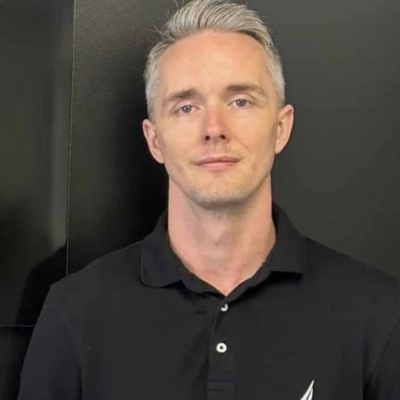
    Dr. Vahid Osman, MD

    Medical Reviewer:

    Dr. Vahid Osman, M.D.

    Board-Certified Psychiatrist & Addiction Specialist

    Dr. Osman specializes in addiction medicine, dual diagnosis treatment, and evidence-based psychiatric care.

    Josh Sprung LCSW

    Clinical Reviewer:

    Josh Sprung, L.C.S.W.

    Board Certified Clinical Social Worker

    Josh Sprung provides clinical oversight with a focus on therapy-based treatment, behavioral health interventions, and long-term recovery support.

    Accreditations & Credentials

    Our Verifications & Affiliations

    The Joint Commission
    The Joint Commission – Gold Seal of Approval®
    CARF
    CARF International – 3-Year Accreditation
    LegitScript Certified
    LegitScript – Verified Advertising Compliance
    HIPAA Compliant
    HIPAA – Patient Privacy Protection
    ASAM
    ASAM Member – Science-based treatment standards
    Psychology Today Verified
    Psychology Today Verified – Listed & trusted
    BBB Accredited
    BBB Accredited – A– Rating
    Nashville Chamber of Commerce
    Nashville Chamber of Commerce Member
    Sources

    Substance Abuse and Mental Health Services Administration. (2023). Key substance use and mental health indicators in the United States: Results from the 2022 National Survey on Drug Use and Health. U.S. Department of Health and Human Services. https://www.samhsa.gov/data/

    National Institute on Drug Abuse. (2020). Drugs, brains, and behavior: The science of addiction. National Institutes of Health. https://nida.nih.gov/publications/drugs-brains-behavior-science-addiction

    National Institute on Drug Abuse. (2023). Treatment approaches for drug addiction. National Institutes of Health. https://nida.nih.gov/publications/drugfacts/treatment-approaches-drug-addiction

    National Institute of Mental Health. (2023). Substance use and co-occurring mental disorders. National Institutes of Health. https://www.nimh.nih.gov/health/topics/substance-use-and-mental-health

    National Institute on Alcohol Abuse and Alcoholism. (2023). Alcohol use disorder: Overview. National Institutes of Health. https://www.niaaa.nih.gov/

    McLellan, A. T., Lewis, D. C., O’Brien, C. P., & Kleber, H. D. (2000). Drug dependence, a chronic medical illness: Implications for treatment, insurance, and outcomes evaluation. Journal of the American Medical Association, 284(13), 1689–1695. 

    Centers for Disease Control and Prevention. (2024). Drug overdose prevention: Data and research. U.S. Department of Health and Human Services. https://www.cdc.gov/overdose-prevention/data-research/facts-stats/index.html

    Tennessee Department of Health. (2024). Drug overdose data dashboard and surveillance reports. https://www.tn.gov/health/odsurveillance.html

    Tennessee Department of Mental Health and Substance Abuse Services. (2024). Fast facts on mental health and substance abuse services in Tennessee. https://www.tn.gov/behavioral-health/research/fast-facts.html

    Tennessee Department of Health. (2025). Rutherford County community health data package. https://www.tn.gov/health/

    Kaiser Family Foundation. (2022). Mental health and substance use insurance coverage trends. https://www.kff.org/

    Substance Abuse and Mental Health Services Administration. (2020). National expenditures for mental health services and substance abuse treatment. U.S. Department of Health and Human Services. https://store.samhsa.gov/

    Treatment Programs

    Yes, Your Insurance Covers Detox and Rehab Treatment.

    Most Clients pay $0 Out of Pocket

    Get Family Support Now


    Supporting Families Through Recovery

    We understand addiction affects the whole family. Our comprehensive family program helps rebuild trust and restore relationships.

     Weekly Family Therapy Sessions

     Educational Workshops

     Support Groups

     Communication Skills Training

    Get Family Support Now
    Secret Link