Prescription drug addiction continues to be one of the most pressing public health challenges in the United States, and Tennessee is no exception.
From powerful opioids to benzodiazepines and stimulants, prescription medications that are meant to heal are often misused, leading to dependence, addiction, and devastating consequences for individuals and families.
In Tennessee, the rates of prescription drug abuse remain alarmingly high. The state has long been a hotspot in the opioid epidemic, with prescription painkillers like oxycodone and hydrocodone contributing significantly to overdose deaths.
At the same time, misuse of stimulants like Adderall and sedatives like Xanax is also on the rise, particularly among teens, college students, and working professionals trying to manage stress or performance demands.
At Tulip Hill Recovery, we understand the complexities of prescription drug addiction and its profound impact on individuals and families. Our dedicated team in Murfreesboro, TN, offers compassionate, evidence-based treatment tailored to each person’s unique journey toward recovery.
We blend medical expertise with holistic approaches to address the physical, emotional, and spiritual aspects of addiction, ensuring a comprehensive and personalized path to lasting sobriety. Embrace hope and healing with Tulip Hill’s specialized prescription drug addiction treatment services.
At Tulip Hill Recovery, we recognize that prescription drug addiction is a complex and challenging issue that affects many individuals and families in Tennessee. Prescription drugs, while medically useful, can lead to dependence and addiction if misused. Commonly abused prescription drugs include opioids, sedatives, stimulants, and anti-anxiety medications.
What Is Prescription Drug Addiction?
Prescription drug addiction occurs when someone becomes physically or psychologically dependent on medications that were originally intended to treat a legitimate health condition.
While these medications—such as painkillers, anti-anxiety drugs, stimulants, or sleep aids—can be effective when used as they’re prescribed, they also carry a high potential for misuse and addiction.
Prescription drug misuse includes taking a medication in a way that the prescribing doctor does not intend. This might involve taking higher doses, using someone else’s prescription, combining medications with alcohol or other substances, or taking a drug simply to experience its effects.
Over time, misuse can lead to tolerance, dependence, and full-blown addiction.
The line between proper use and addiction isn’t always obvious. A person might start with a valid prescription after surgery or for anxiety, only to find themselves relying on the drug to feel “normal.”
As tolerance builds, they may take more than prescribed or begin seeking the drug from multiple sources. This pattern can lead to severe consequences—physically, emotionally, and socially.
The effects of prescription drug addiction go beyond the body. It often leads to mood swings, memory issues, relationship problems, declining work or school performance, and even legal trouble.
Many people struggling with addiction also experience co-occurring mental issues like depression or anxiety, which further complicate recovery.
At Tulip Hill Recovery, our specialized prescription drug treatment program addresses all these aspects, helping clients understand the roots of their addiction, rebuild their health, and regain control over their lives.

Signs You May Need Prescription Drug Detox
Recognizing the potential signs of prescription drug addiction can be difficult, especially when the use of medications may have started under a doctor’s supervision. However, as misuse progresses into dependence and addiction, a pattern of physical, emotional, and behavioral changes often emerges. Knowing what to look for can help you or a loved one seek prescription drug treatment before the addiction becomes life-threatening.
Behavioral Signs
- Taking higher doses than prescribed or using medication more frequently
- “Doctor shopping” or visiting multiple physicians to get more prescriptions
- Using prescriptions intended for someone else
- Lying or becoming defensive when asked about medication use
- Neglecting responsibilities at work, school, or home
- Withdrawing from social activities or changing friend groups
- Stealing or borrowing medications from others
Emotional and Psychological Symptoms
- Mood swings, irritability, or aggression
- Anxiety or depression, especially between doses
- Increased secrecy or isolation
- Loss of interest in hobbies or personal goals
- Cravings for the drug and obsession with obtaining it
Physical Symptoms
- Tolerance: Needing more of the drug to feel the same effect
- Withdrawal symptoms when not using (shaking, sweating, nausea, insomnia)
- Drowsiness, slurred speech, or slowed reflexes (with sedatives)
- Weight changes or appetite loss
- Sleep disturbances
These warning signs often intensify as the addiction deepens, increasing the risk of overdose, accidents, and long-term health consequences.
Early intervention through prescription rehab can significantly improve outcomes.
At Tulip Hill Recovery, we provide comprehensive assessments and personalized treatment plans to address not just the addiction but the underlying emotional and psychological issues as well.
If you recognize these symptoms in yourself or a loved one, it may be time to reach out for support. Prescription drug addiction is treatable, and healing starts with the first step.
Commonly Abused Prescription Medications
Prescription medications are often trusted for their ability to manage pain, anxiety, sleep disorders, and attention-related conditions. When misused, many of these medications carry a high dependence and addiction risk, leading individuals to seek help from prescription drug rehab centers across Tennessee.
Below are some of the most commonly abused prescription drug categories we treat at Tulip Hill Recovery.
-
Opioids:
Opioids are prescribed to relieve pain, often after surgery or injury. Common examples include oxycodone, hydrocodone, morphine, and fentanyl. While effective for pain control, opioids are highly addictive. Prolonged use can quickly lead to tolerance, withdrawal symptoms, and physical dependence, often requiring comprehensive care at a prescription drug rehab.
-
Benzodiazepines:
Benzodiazepines like alprazolam (Xanax), lorazepam (Ativan), and diazepam (Valium) are used to treat anxiety, panic disorders, and insomnia. These medications work by calming the central nervous system, but over time, they can create both psychological and physical dependence. Withdrawal can be dangerous without proper medical support, making drug prescription rehab a critical step in recovery.
-
Stimulants:
Stimulants like Adderall (amphetamine/dextroamphetamine) and Ritalin (methylphenidate) are commonly prescribed for ADHD and narcolepsy. When misused—for example, taken without a prescription to enhance focus or energy—they can lead to addiction, sleep disturbances, and cardiovascular issues.
-
Sedatives and Hypnotics:
Drugs like zolpidem (Ambien) and eszopiclone (Lunesta) are prescribed to treat insomnia. While effective in the short term, these medications can be habit-forming. Misuse may result in dependence, rebound insomnia, and daytime drowsiness.
Treatment at prescription drug rehab centers is often necessary for safe withdrawal and long-term recovery. At Tulip Hill Recovery, we address addiction to all of these medications through personalized, evidence-based care in a supportive environment.
Therapies Used in Prescription Drug Rehab
At Tulip Hill Recovery, we believe that effective prescription drug addiction treatment goes far beyond stopping drug use—it’s about healing the whole person.
Our comprehensive approach is rooted in science, compassion, and a deep understanding of how addiction affects each individual differently.
Consequently, we create individualized treatment plans tailored to your specific needs, background, and recovery goals.
Whether you’re recovering from opioids, benzodiazepines, stimulants, or a combination of substances, our team is here to support you through every step of your journey.
Clinical Modalities We Use
Our core therapies include:
- Cognitive Behavioral Therapy (CBT): Helps you identify and change patterns of thinking and behaving contributing to addiction.
- Dialectical Behavior Therapy (DBT): Teaches skills for emotion regulation, distress tolerance, and interpersonal effectiveness.
- Eye Movement Desensitization and Reprocessing (EMDR): A well-studied and proven method for processing trauma and reducing its emotional charge.
- Group Therapy: Provides a sense of community, accountability, and shared learning.
- Medication-Assisted Treatment (MAT): When appropriate, MAT is used to manage withdrawal symptoms and reduce cravings, especially for opioids or benzos.
Each client receives a personalized mix of therapies designed to address the physical dependence and the underlying causes of prescription drug addiction.
Holistic Therapies That Support Healing
We also incorporate holistic therapies to help balance the body and mind. These include:
- Yoga
- Mindful movement
- Guided meditation and mindfulness practices
- Art and expressive therapies
- Recreational therapy and stress management techniques
These services are designed to help you reconnect with yourself, manage stress naturally, and create new healthy habits—key elements of lasting recovery.
If you’re ready to begin a comprehensive and compassionate path toward healing, our prescription drug treatment program at Tulip Hill Recovery is here for you. We don’t just treat addiction—we help you rebuild a meaningful, sober life through our trusted prescription rehab services in Tennessee.
Trauma-Informed Care
Many people struggling with prescription drug addiction also carry unresolved trauma or co-occurring mental health conditions like anxiety, PTSD, or depression.
At Tulip Hill, our clinicians are trained in trauma-informed care, ensuring that your experiences are honored and that your treatment addresses more than just the symptoms of addiction.
Levels of Care + Dual Diagnosis and Co-Occurring Disorders
At Tulip Hill Recovery, we offer a full continuum of care to support each client through every phase of their healing journey.
From structured daytime therapy to flexible outpatient options, our prescription drug addiction rehab programs are designed to meet you where you are—and help you progress toward long-term sobriety at a pace that works for you.
Why Choose Tulip Hill Recovery for Prescription Drug Addiction Treatment
When it comes to finding the right prescription drug addiction rehab center, experience, compassion, and personalized care make all the difference. Tulip Hill Recovery is a family-run treatment center in Murfreesboro, Tennessee, serving communities in Franklin, Nashville, Hopkinsville, and beyond.
If you’re looking for trusted addiction treatment in TN for yourself or a loved one, Tulip Hill Recovery offers the expertise, compassion, and structure needed to support sustainable recovery from prescription drug addiction.

Start Prescription Drug Rehab Today at Tulip Hill Recovery
If you or someone you love is struggling with prescription drug misuse, don’t wait. Tulip Hill Recovery offers compassionate, personalized prescription drug addiction treatment in TN, with programs available in Murfreesboro, Nashville, and Franklin. We’re here to answer your questions, verify your insurance, and help you begin a treatment plan tailored to your needs. Get help for prescription drug addiction—our team is ready to support you every step of the way. It’s never too late to start prescription rehab and take back control of your life.
FAQs About Prescription Drug Rehab
Prescription Drug Detox & Rehab in Murfreesboro, TN | Tulip Hill Recovery
Prescription drug misuse can lead to serious physical dependence, withdrawal complications, and long-term addiction. Tulip Hill Recovery provides medically supervised prescription drug detox in Murfreesboro, Tennessee for individuals struggling with opioids, benzodiazepines, stimulants, and other commonly misused medications.
Withdrawal symptoms vary depending on the substance but may include nausea, tremors, insomnia, panic attacks, depression, paranoia, seizures, and intense cravings. Detoxing without professional oversight can increase medical risk and often results in relapse, especially when medications were originally used to manage pain, anxiety, or ADHD.
Our addiction treatment center in Murfreesboro offers 24/7 clinical monitoring, individualized withdrawal management protocols, psychiatric evaluation, and medication support when needed. Each detox plan is tailored to the client’s medical history, dosage patterns, and co-occurring mental health needs.
Once stabilized, clients transition into residential prescription drug rehab where underlying causes of misuse are addressed through evidence-based therapy, behavioral health support, and relapse prevention planning.
Admissions support and insurance verification are available immediately.
All content published on Tulip Hill Recovery website pages is provided for informational purposes only and should not be interpreted as medical, psychological, or legal advice. This information is not intended to diagnose, treat, cure, or prevent any disease or condition and should not replace consultation with licensed healthcare professionals.
Addiction is a chronic, relapsing medical condition that requires individualized care. Treatment approaches, detox protocols, and rehabilitation services vary depending on numerous factors unique to each individual. No information on this website should be relied upon to make treatment decisions without professional guidance.
If you are experiencing an emergency situation, including overdose, withdrawal complications, suicidal ideation, or immediate risk to yourself or others, call 911 immediately. Tulip Hill Recovery does not provide emergency medical services online or via website communication.
Never attempt to discontinue substance use or begin detox without proper medical supervision. Withdrawal can cause serious medical complications. Any information regarding detoxification is general in nature and does not substitute for physician-directed care.
Insurance information presented on this website is intended solely to assist users in understanding potential coverage options. Coverage is subject to verification, medical necessity determinations, and policy limitations. Tulip Hill Recovery encourages direct contact with our admissions specialists to confirm benefits and eligibility.
We do not guarantee treatment outcomes, length of stay, insurance approvals, or placement availability. Outcomes depend on numerous clinical and personal factors.
External links are provided for convenience and informational purposes only. Tulip Hill Recovery assumes no responsibility for third-party content or practices.
Use of this website does not establish a doctor-patient or therapist-patient relationship. Recovery requires professional support and individualized care.
The content available on Tulip Hill Recovery pages is designed to provide educational information related to addiction, detoxification, rehabilitation, mental health treatment, and recovery support. This information should not be interpreted as professional medical advice or treatment recommendations.
Addiction treatment is highly individualized. Detox and rehab needs vary significantly based on health history, substance use patterns, and mental health considerations. Information provided is general and may not apply to all individuals.
If an emergency arises — such as overdose, severe withdrawal symptoms, or immediate danger — call 911 without delay. Online resources are not a substitute for emergency medical care.
Medical detox should always be conducted under professional supervision. Attempting detox without medical oversight can be dangerous.
Insurance information is provided as general guidance only. Coverage varies by plan and carrier. Tulip Hill Recovery encourages all individuals to verify benefits directly with admissions staff.
Recovery outcomes are not guaranteed. Treatment effectiveness depends on many factors including engagement, clinical needs, and aftercare support.
References to external resources do not imply endorsement. Tulip Hill Recovery is not responsible for third-party content.
Website use does not establish a provider-patient relationship.
Start Your Journey to Healing Today

Call or message us

Free assessment

Insurance check

Choose a start date
Get Family Support Now
Supporting Families Through Recovery
We understand addiction affects the whole family. Our comprehensive family program helps rebuild trust and restore relationships.
Weekly Family Therapy Sessions
Educational Workshops
Support Groups
Communication Skills Training
Get Family Support Now

 |
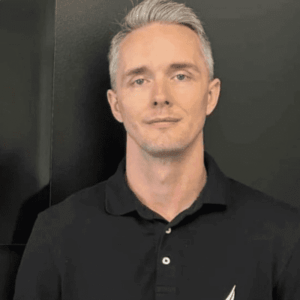
Medically Reviewed By:
Board-Certified Psychiatrist and Addictionologist
|
 |
Clinically Reviewed By:
Board Certified Clinical Social Worker
|
Our Verifications & Affiliations



Yes, Your Insurance Covers Detox and Rehab Treatment.
Get Family Support Now
Supporting Families Through Recovery
We understand addiction affects the whole family. Our comprehensive family program helps rebuild trust and restore relationships.
Weekly Family Therapy Sessions
Educational Workshops
Support Groups
Communication Skills Training