


Residential treatment Nashville, TN usually means a 24/7, structured, sober environment where you live on-site or in closely connected housing while you receive intensive clinical care. Instead of trying to heal in the middle of everyday triggers, you move into a space designed for stability, routine, and support.
Many families searching for residential rehab in Nashville are looking for exactly that: a safe place where their loved one can step out of crisis and focus fully on recovery.
Tulip Hill Recovery offers this kind of residential-style support through our live-in recovery housing and treatment center in Murfreesboro, serving the greater Nashville area and communities across Middle Tennessee. Clients live in comfortable, home-like residences while attending full days of treatment at our nearby center.
With structured housing, evidence-based therapy, and a strong recovery community, our approach to residential drug rehab in Tennessee gives people the time and safety they need to reset, rebuild, and move toward long-term sobriety.
What Is Residential Treatment for Addiction?
Residential treatment is a level of care where you live in a sober, structured environment while you attend intensive addiction treatment.
Instead of sleeping at home and driving to appointments a few hours a week, you move into a recovery residence or live-in rehab program, allowing healing to be your main focus for a while. Days are organized around therapy, groups, meals, medication management if needed, and healthy routines.
In a typical residential drug treatment Nashville or Middle Tennessee program, clients have 24/7 access to support. Staff are present to provide guidance, ensure safety, and help with everything from house rules to crisis moments.
Clinical care may be on-site or delivered at a closely connected treatment center, but the key idea is the same: you live where you receive help, rather than trying to fit recovery into the margins of your life.
For many people, this feels very different from standard Inpatient substance abuse rehab in a hospital setting, because the atmosphere is more home-like and community-focused.
How Residential Treatment Differs from Outpatient
With outpatient care, you sleep in your own bed and commute to therapy or groups a few times a week. That can work well if your home is stable and supportive.
Residential care is different. Here, you live where you heal, in a space that is intentionally drug- and alcohol-free, with built-in structure and accountability. There are fewer triggers, more supervision, and a lot more time devoted to your recovery.
For someone whose home environment is chaotic, unsafe, or full of people who still use, a Residential recovery program in Tennessee can be a safer starting point. It provides you with distance from daily pressures and access to peers who are working toward the same goal: staying sober, one day at a time.
Clinical & Emotional Goals of Residential Care
The first goal of residential treatment is stabilization. That means helping your body and brain recover from constant substance use, improving sleep, supporting nutrition, and addressing withdrawal and medical concerns.
Once things begin to settle, the focus shifts to building early recovery skills. You learn relapse prevention strategies, coping skills for stress and cravings, and tools for managing emotions without reaching for drugs or alcohol.
Equally important are the emotional goals. A residential addiction rehab in Nashville or nearby often becomes the first place where people feel safe enough to tell the truth about what they have been through.
In a residential drug rehab Tennessee setting like Tulip Hill’s, clients have the time and space to start repairing relationships, rebuilding routines, and imagining a life that is not controlled by addiction.
Over time, residential rehab in Nashville that residents can access provides a solid foundation for transitioning into outpatient care and continuing to grow.
Who Needs Residential Treatment vs. Outpatient Care?
Not everyone needs to move into a program to improve, but for some individuals, staying at home while trying to quit is simply not a safe or realistic option. Understanding when inpatient addiction treatment TN is appropriate can take some pressure off—you’re not “failing” if you need more support, you’re matching the level of care to what you’re going through.
Signs Residential / Inpatient Care May Be Needed
You may be a better fit for residential or inpatient addiction treatment in Nashville if one or more of these are true:
- You’ve had repeated relapses after outpatient programs, self-help, or “DIY” attempts to quit.
- You’re using substances every day or multiple times a day, and cutting back hasn’t worked.
- You have significant withdrawal symptoms or medical concerns that might need monitoring.
- Your home environment is unstable—easy access to drugs or alcohol, unsafe relationships, or people who are still using.
- You’re dealing with co-occurring mental health symptoms (like suicidal thoughts, severe anxiety, or untreated trauma) that make it hard to stay safe or stable at home.
In these situations, a structured inpatient substance abuse rehab or residential-style setting gives you space from triggers, more medical oversight, and round-the-clock support while you stabilize.
When Outpatient or PHP/IOP Might Be Enough
On the other hand, outpatient care may be appropriate if your use is mild to moderate, your housing is safe and sober, and you have a solid support network. You might be able to maintain work or school while attending a Partial Hospitalization Program (PHP) or Intensive Outpatient Program (IOP), as long as cravings and withdrawal are manageable.
At Tulip Hill, you don’t have to figure this out alone. During your assessment, the team helps you determine whether outpatient care, PHP/IOP with recovery housing, or a referral to more traditional inpatient rehab options in Nashville is the most suitable option. The goal is always the same: the right level of support at the right time, not forcing your life into a one-size-fits-all plan.
What Residential Treatment Looks Like Day to Day in Nashville, TN
Residential treatment in Nashville, TN, can seem abstract until you see what it actually entails. In reality, it’s a series of ordinary days—meals, groups, downtime—structured in a way that steadily moves you toward stability and sobriety.
A live-in rehab program Nashville clients choose is less about locked doors and more about creating a consistent, recovery-focused rhythm.
A Typical Daily Schedule
While every program is a little different, most residential or residential-style days follow a similar flow:
-
Morning: Wake up, breakfast, medications (if prescribed), and a morning process or goal-setting group to set the tone for the day.
-
Daytime: Individual therapy, small process groups, psychoeducation classes, skills groups (such as coping skills or relapse prevention), and wellness activities, including light exercise and mindfulness.
-
Evening: 12-step or other recovery meetings, peer check-ins, journaling, and quiet hours to allow your brain and body to rest.
Over time, this repetitive, structured schedule helps reset sleep patterns, rebuild routines, and make sober days feel more normal.
Structure, Safety, and Support
In a residential rehab setting in the Nashville area, structure is an integral part of the treatment. Staff are present to support you, enforce house rules, and respond if you’re having a hard moment.
There are curfews, regular drug and alcohol screenings, and expectations around things like chores, meal prep, and participation in groups.
It’s not about punishment—it’s about reducing chaos and decisions so you’re not constantly wrestling with “Should I go out?” or “Should I call my old dealer?”
A live-in rehab program, with a Nashville-style environment, removes many of those decisions for a while, which takes a surprising amount of pressure off.
Comforts & Home-Like Touches
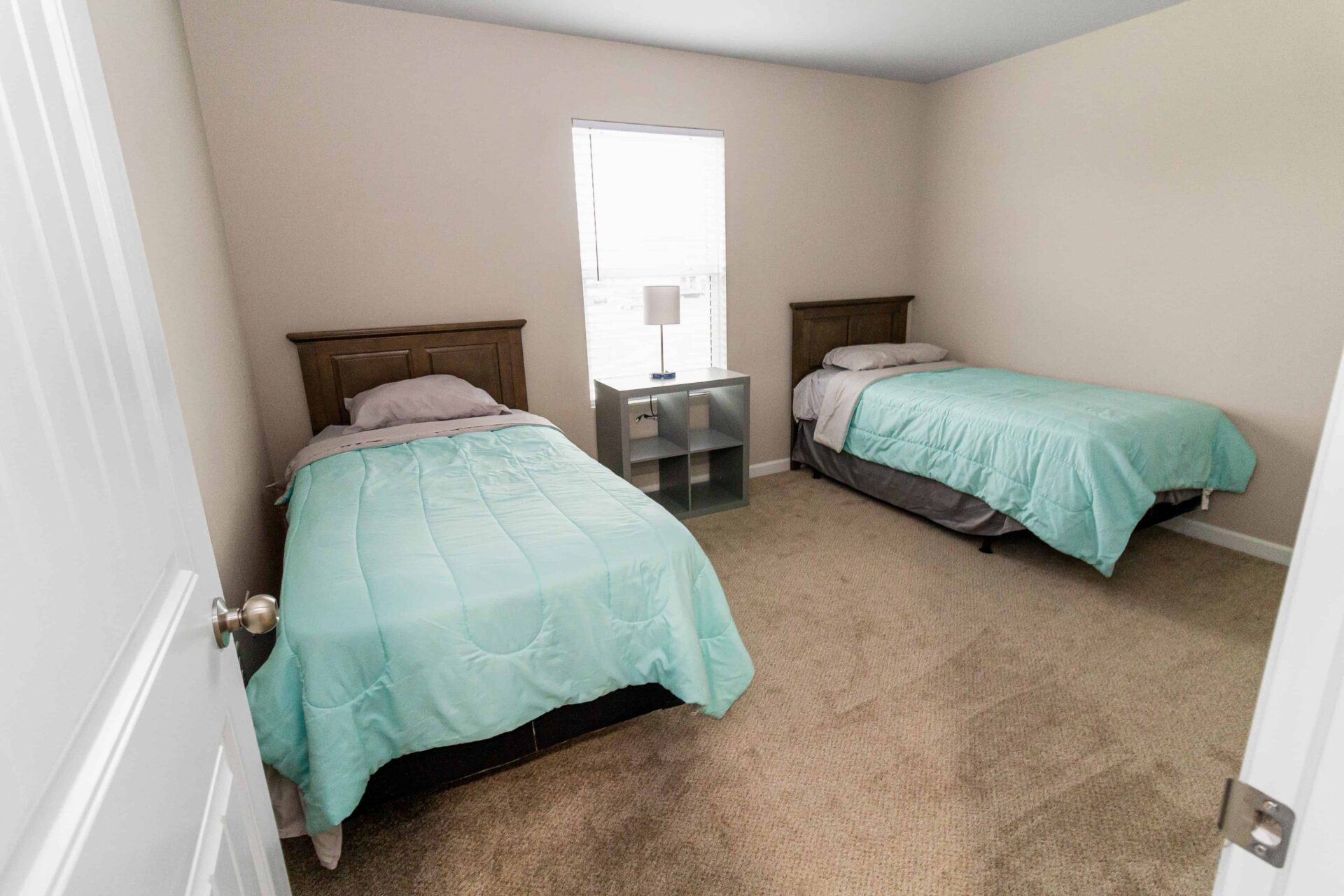
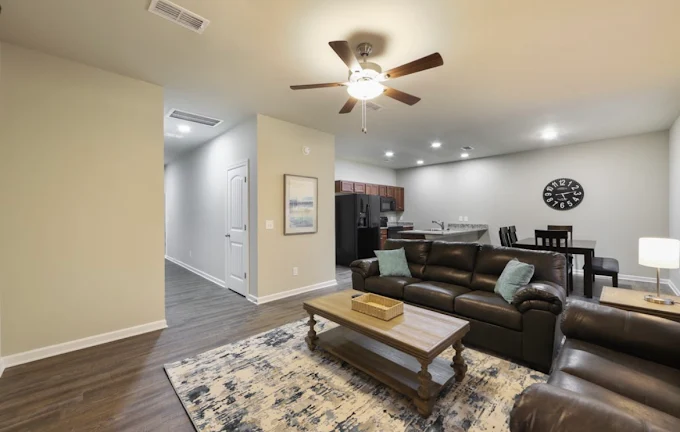
Residential homes and recovery housing at programs like Tulip Hill are designed to feel more like a real home than a hospital. Think comfortable bedrooms, shared living rooms with couches and TVs, outdoor areas to sit and talk, and kitchens where housemates share meals.
Privacy and dignity matter—clients are treated with respect, as adults, not inmates.
The combination of structure, community, and a home-like setting is what makes residential treatment in Nashville, TN, more than just “a place to stay.” It becomes a safe landing spot where you can catch your breath, get honest help, and start building a life you actually want to go back to.
Program Highlights: Residential-Style Care at Tulip Hill Recovery
Tulip Hill Recovery blends the structure of residential care with the flexibility of step-down programs, creating a path that feels both safe and doable for real life. For many people coming from the city and surrounding areas, this Middle Tennessee program functions much like a residential drug rehab option in Tennessee—just with a warmer, more home-like feel.
As an addiction treatment center in Nashville, Tennessee, families turn to Tulip Hill, which combines strong clinical care with genuine compassion.
-
Clinically-Driven Residential-Style Treatment
Tulip Hill’s model is simple and intentional:
- Gender-specific recovery homes in Murfreesboro where clients live in a sober, supportive environment.
- Structured PHP and IOP programming at the treatment center during the day, with step-down outpatient services as clients progress.
- Close coordination between housing staff and clinical staff ensures that what you work on in therapy can be practiced back at home on the same day.
- A thorough assessment on arrival that looks at substance use history, mental health, medical needs, trauma history, and goals.
- Individualized treatment planning ensures that no two clients follow the same path; the length of stay, therapy mix, and intensity are tailored to each client.
For many people driving in from Nashville and nearby communities, this setup provides the safety and structure they’re looking for in a residential drug rehab Tennessee program, while also offering a clear plan for transitioning back into everyday life.
-
Evidence-Based Therapies & Dual Diagnosis Care
Clinical care at Tulip Hill is built around evidence-based therapies and robust dual diagnosis support, all working together as part of comprehensive addiction recovery in Tennessee:
- Individual therapy for deeply personal work and one-on-one support.
- Group therapy to reduce isolation and build skills alongside peers.
- Family counseling to help loved ones heal, set boundaries, and learn how to support recovery.
- Cognitive Behavioral Therapy (CBT) is used to challenge unhelpful thoughts and behaviors.
- Dialectical Behavior Therapy (DBT) for emotion regulation and distress tolerance.
- Trauma-focused care and EMDR (if appropriate) to address the root causes of substance use.
- Relapse prevention groups that focus on triggers, warning signs, and practical strategies.
- Psychiatric support for co-occurring depression, anxiety, PTSD, bipolar disorder, and other mental health concerns.
-
Holistic & Wellness Supports
Recovery is about more than not using. Tulip Hill’s Residential recovery program in Tennessee also focuses on rebuilding a healthy, sustainable life:
- Mindfulness practices, yoga, or gentle movement can help you reconnect with your body.
- Recreational activities that make sober fun feel possible again.
- Life-skills groups that cover budgeting, time management, communication, and more.
- Peer support and community-building activities that make it easier to ask for help and stay accountable.
- Practical support with employment, schooling, and life transitions as you prepare to step down in care.
-
Residential Housing Features
The housing itself is designed to feel like a safe landing place, not an institution:
- Gender-specific homes with semi-private rooms and shared living spaces.
- Transportation between the recovery homes and the treatment center ensures that getting to groups and appointments is simple.
- House rules that support sobriety—curfews, expectations, and accountability—without being cold or punitive.
Together, these clinical and residential features make Tulip Hill’s program a grounded, human-centered version of comprehensive addiction recovery in Tennessee, where structure and compassion work in tandem.
Why Choose Tulip Hill Recovery for Residential Treatment Near Nashville?
Choosing where to go for residential treatment in Nashville, TN, is not just a clinical decision; it’s a personal one. It is emotional, logistical, and deeply personal. Tulip Hill Recovery was built with that in mind, offering a Middle Tennessee program that feels close to home without keeping you stuck in the same patterns.
Middle Tennessee Location & Access
Tulip Hill is based in Murfreesboro, an easy drive from Nashville, Franklin, Smyrna, and other Middle Tennessee communities. That makes it realistic for families to visit, join therapy sessions, and stay involved in the process.
At the same time, getting a little distance from the people, places, and routines tied to substance use gives you space to breathe and reset. It is a residential recovery program that Tennessee clients can access without feeling isolated or cut off from their support network.
Family-Owned, Lived-Experience Care
Tulip Hill is more than a building or a brand. It is a family-owned program created by people who have seen addiction up close. Many staff members have lived experience in recovery or have walked alongside a loved one who struggled.
That shapes the way care is delivered. The tone is “we understand what addiction does to families because we have lived it,” not “we are here to fix you.”
Warm, Non-Institutional Environment
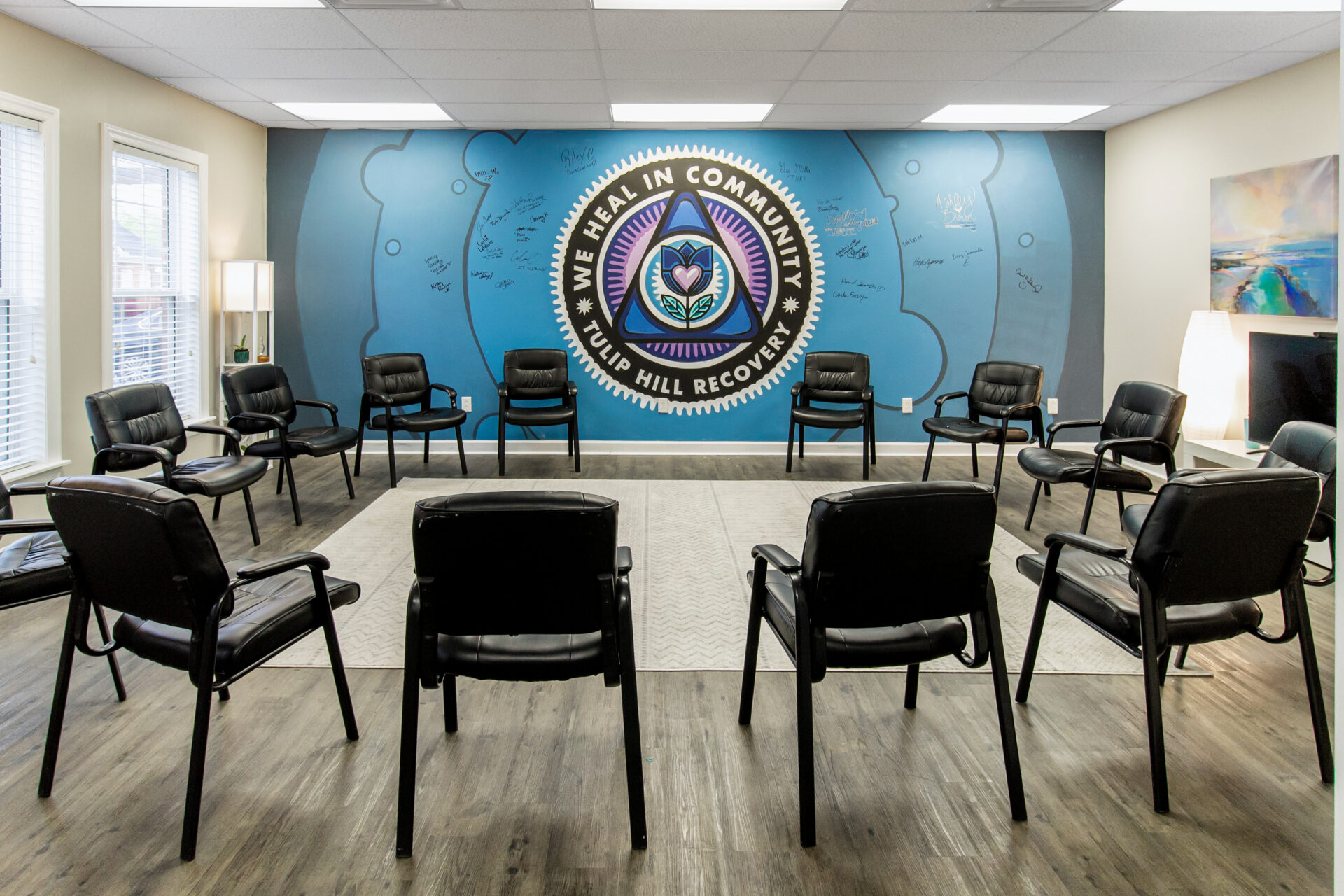
If you are picturing a cold, hospital-like facility, Tulip Hill will feel different. Recovery homes are real houses with comfortable bedrooms, shared living spaces, and outdoor areas where residents can sit and talk.
The program is intentionally small, so clients are known by name, not by room number. This kind of environment supports residential treatment Nashville, TN, by making it easier to relax, open up, and connect with peers.
Real-World Focus
Finally, Tulip Hill is serious about what happens after you leave. As part of comprehensive addiction recovery in Tennessee, the team works with you to develop practical plans for returning to work in Nashville, reentering school, reconnecting with family, and integrating into local recovery communities.
Aftercare planning, alumni contact, and resource connections are integrated into treatment, ensuring you don’t step back into your old life without a clear roadmap for recovery.
IMG_9009
IMG_9153-1-min.bak

IMG_9168-min.bak
Continuum of Care: From Detox to Residential to Outpatient
Recovery rarely follows a straight line, but having a clear pathway helps you feel less lost. Tulip Hill’s continuum connects detox, residential-style care, and outpatient services so you are not bouncing between disconnected programs. It is a way to match the intensity of support to what you need at each stage of healing.
-
Step 1 – Detox and Stabilization
For many people, the first stop is medical detox. If you are physically dependent on alcohol, opioids, or other substances, you may need a short period of monitored withdrawal to stay safe and as comfortable as possible. Tulip Hill can help you access appropriate detox services, whether that means care on site or coordination with trusted partners in the region. The focus in this step is stabilization, not long-term therapy.
-
Step 2 – Residential-Style Care / Live-In Housing with PHP/IOP
Once you are medically stable, the treatment process begins. Tulip Hill’s live-in model functions a lot like Inpatient addiction treatment in TN for many people. You sleep in structured recovery housing, attend full days of PHP or several days per week of IOP at the center, and return to a sober, supportive home every night.
This gives you the 24/7 environment often associated with Inpatient addiction treatment Nashville while still allowing for a more home-like setting and step-down flexibility.
-
Step 3 – Step-Down Outpatient & Aftercare
As you grow more stable, care transitions into standard outpatient services, possible virtual options, and alumni or peer support groups. You may return to work or school while continuing to see your therapist and care team.
Throughout this residential recovery program, Tennessee clients experience a consistent philosophy and often the same staff, which reduces the anxiety of starting over each time they transition to a new level of care.
That continuity is a key part of comprehensive addiction recovery in Tennessee, helping you build on your progress instead of losing it at each transition.
Start Residential Treatment in Nashville, TN
Reaching the point where you are seriously considering Residential Treatment in Nashville, TN, is a big deal. It usually means you are tired of doing this alone and ready to explore something different. You do not have to have everything figured out to take the next step. The admissions team at Tulip Hill Recovery is here to listen, answer questions, and help you sort through your options.
From our Middle Tennessee–based, residential-style care in Murfreesboro, we serve individuals and families from across the Nashville area. Clients live in structured, sober housing, attend PHP or IOP at the center, and then step down into outpatient and aftercare in one connected pathway. You are not bouncing between disconnected programs; you are moving through a single, supportive continuum that understands your story.
If you are exploring residential rehab options in Nashville, start with a conversation. You can schedule a confidential assessment, verify your insurance in just a few minutes, and inquire about current availability and placement timelines.
As a regional Addiction Treatment Center in Nashville, TN, Tulip Hill Recovery is ready to help you take that first, brave step toward a life that is not defined by addiction.
Frequently Asked Questions: Residential Treatment in Nashville, TN
-
How long does residential treatment usually last?
Most people stay in Residential Treatment Nashville, TN, for somewhere between 30 and 90 days, but there is no one-size-fits-all timeline. Length of stay depends on your substance use history, mental health needs, progress in therapy, and what feels safe for your transition back home. At Tulip Hill, your team reviews your progress regularly and helps you decide when it is the right time to step down, rather than pushing you out on a fixed date.
-
Is residential treatment the same as inpatient addiction treatment in Nashville?
“Residential,” “inpatient,” and “live-in” are often used interchangeably, which can be confusing. Traditional Inpatient addiction treatment in Nashville often happens in a hospital or large facility, while Tulip Hill offers residential-style housing paired with structured day programs. You live in recovery homes and attend therapy at the center, which functions much like many Inpatient substance abuse rehab models but with a smaller, more home-like environment.
-
Can I continue my job or attend school while undergoing residential rehab in Nashville?
Most people in full residential or residential-style care need to pause work or school, at least at first, so they can focus fully on healing. That said, the admissions team can discuss options such as medical leave, FMLA, or short-term disability, if available. As you move into IOP or outpatient, it often becomes more realistic to return to work or school while still connected to an addiction treatment center in Nashville, TN, for ongoing support.
-
What does a typical day look like at a residential recovery program in Tennessee?
A typical day in a residential recovery program in a Tennessee setting starts with wake-up, breakfast, and a morning group or check-in. Days include individual therapy, process groups, education on addiction and mental health, skills groups, and wellness activities. Evenings may involve attending recovery meetings, spending time in free activities, journaling, and observing quiet hours. Throughout the day, staff are present to support you, reinforce safety, and help you stay on track.
-
What if I have depression, anxiety, or PTSD too?
You do not need to be “mentally healthy” before coming to treatment. Tulip Hill is equipped to support people with co-occurring conditions like depression, anxiety, bipolar disorder, or PTSD. Residential treatment in Nashville, TN, here includes access to dual diagnosis care, meaning your mental health and substance use are treated together, not in separate silos. This integrated approach often leads to a more durable recovery.
-
Can my family be involved in residential treatment?
Yes. Family involvement is encouraged when it is safe and healthy to do so. Tulip Hill offers family therapy and education sessions to help loved ones understand addiction, as well as opportunities for phone calls or visits that align with your treatment plan. Virtual options may be available for relatives who live farther away from Nashville or have difficulty traveling.
-
How much does residential treatment cost, and does insurance help?
Costs vary based on length of stay, level of care, and your specific insurance benefits. Many plans cover some or all of the residential drug treatment services in the Nashville area when they are medically necessary. The best way to get clear numbers is to let the admissions team verify your benefits and explain your coverage in plain language. You can call for a quick and confidential insurance review before making any decisions.
-
How do I choose the right residential drug treatment Nashville or Middle Tennessee program?
When comparing programs, it is helpful to consider several key factors: accreditation and licensing, staff credentials, the availability of dual diagnosis care, the strength of aftercare planning, and whether the environment aligns with your personality and values. Asking about family involvement, length of stay, and how they handle relapse risk can also be helpful. Tulip Hill encourages you to treat this like choosing a partner in your healing, not just a bed in a facility.
Start Your Journey to Healing Today

Call or message us
You’ll connect with a compassionate admissions coordinator who understands what you’re going through.
Free assessment
We’ll ask about your drug use, medical history, and mental health to help build the right plan.
Insurance check
We’ll verify your benefits and explain exactly what’s covered—no surprises.
Choose a start date
If you’re ready, we can often schedule your intake the same week.
-
Get Family Support Now
Supporting Families Through Recovery
We understand addiction affects the whole family. Our comprehensive family program helps rebuild trust and restore relationships.
Weekly Family Therapy Sessions
Educational Workshops
Support Groups
Communication Skills Training
-
Get Family Support Now

-
Contributors
 Medically Reviewed By:Dr. Vahid Osmanm, M.D.
Board-Certified Psychiatrist and Addictionologist
 Clinically Reviewed By:Josh Sprung, L.C.S.W.
Board Certified Clinical Social Worker
-
Accreditations & Credentials
Our Verifications & Affiliations
The Joint Commission – Gold Seal of Approval®
CARF International – 3-Year Accreditation

LegitScript – Verified Advertising Compliance
HIPAA – Patient Privacy Protection

ASAM Member – Science-based treatment standards

Psychology Today Verified – Listed & trusted

BBB Accredited – A– Rating

Nashville Chamber of Commerce Member
Yes, Your Insurance Covers Detox and Rehab Treatment.
Most Clients pay $0 Out of Pocket
-
Get Family Support Now
Supporting Families Through Recovery
We understand addiction affects the whole family. Our comprehensive family program helps rebuild trust and restore relationships.
Weekly Family Therapy Sessions
Educational Workshops
Support Groups
Communication Skills Training
-
Get Family Support Now

Someone will get back to you as soon as possible
\n
\n\n
Our Verifications & Affiliations
\n
 \n
\n \n\n
 \n
\n \n\n
 \n
\n \n\n
 \n
\n \n\n
 \n
\n \n\n
 \n
\n \n\n
 \n
\n \n\n
 \n
\n \n
\n
\n \n
\n”,”title”:”Accreditations & Credentials”}}],”name”:”THR Contributors Accordion”},{“type”:”fragment”,”props”:{“css”:”.el-element{\n\tborder: 2px solid #F4F4F4;\n box-shadow: 0px 4px 25px 0px #0000001A;\n padding: 20px;\n}”,”margin_bottom”:”default”,”margin_top”:”default”},”children”:[{“type”:”row”,”children”:[{“type”:”column”,”props”:{“image_position”:”center-center”,”position_sticky_breakpoint”:”m”},”children”:[{“type”:”headline”,”props”:{“animation”:”none”,”content”:”Drug and Alcohol Addiction Treatment”,”image_align”:”left”,”image_margin”:”xsmall”,”margin_bottom”:”remove”,”margin_top”:”remove”,”position”:”relative”,”text_align”:”center”,”title_element”:”div”,”title_style”:”h4″}},{“type”:”list”,”props”:{“column_breakpoint”:”m”,”css”:”.el-item:before{\n color: #225597;\n left: unset;\n}\n\n.el-item:hover:before{\n color: #ffffff;\n}\n\n.el-item:hover a{\n\ttext-decoration: none;\n}\n\n.el-item{\n\tborder: 1px solid #C0DEFF;\n display: block;\n padding: 13px 10px;\n}\n\n.el-item a{\n display: block;\n color: #000000;\n}\n\n.el-item:hover a{\n color: #ffffff;\n}\n\n.el-item:hover{\n background: #225597;\n\tborder: 1px solid #225597;\n}\n\n.el-content{\n padding-left: 30px;\n}”,”image_align”:”left”,”image_svg_color”:”emphasis”,”image_vertical_align”:true,”list_element”:”ul”,”list_horizontal_separator”:”, “,”list_marker”:”disc”,”list_type”:”vertical”,”margin_bottom”:”small”,”margin_top”:”small”,”show_image”:true,”show_link”:true},”children”:[{“type”:”list_item”,”source”:{“query”:{“name”:”customMenuItems”,”arguments”:{“id”:4,”parent”:””,”heading”:””,”include_heading”:true,”ids”:[“53″,”65″,”67″,”3952″,”3946″,”4178″,”4182″,”4607″,”3524″,”10610″,”4202″,”10611″]}},”props”:{“content”:{“name”:”title”},”link”:{“name”:”url”}}}}],”name”:”Detox List Sidebar”}]}],”props”:{“margin_bottom”:”default”,”margin_top”:”default”}}],”name”:”Panel – Rehab Sidebar”},{“type”:”fragment”,”props”:{“css”:”.el-element{\n\tborder: 2px solid #F4F4F4;\n box-shadow: 0px 4px 25px 0px #0000001A;\n padding: 20px;\n}”,”margin_bottom”:”default”,”margin_top”:”default”},”children”:[{“type”:”row”,”children”:[{“type”:”column”,”props”:{“image_position”:”center-center”,”position_sticky_breakpoint”:”m”},”children”:[{“type”:”headline”,”props”:{“animation”:”none”,”content”:”Mental Health Treatment”,”image_align”:”left”,”image_margin”:”xsmall”,”margin_bottom”:”remove”,”margin_top”:”remove”,”position”:”relative”,”text_align”:”center”,”title_element”:”div”,”title_style”:”h4″}},{“type”:”list”,”props”:{“column_breakpoint”:”m”,”css”:”.el-item:before{\n color: #225597;\n left: unset;\n}\n\n.el-item:hover:before{\n color: #ffffff;\n}\n\n.el-item:hover a{\n\ttext-decoration: none;\n}\n\n.el-item{\n\tborder: 1px solid #C0DEFF;\n display: block;\n padding: 13px 10px;\n}\n\n.el-item a{\n display: block;\n color: #000000;\n}\n\n.el-item:hover a{\n color: #ffffff;\n}\n\n.el-item:hover{\n background: #225597;\n\tborder: 1px solid #225597;\n}\n\n.el-content{\n padding-left: 30px;\n}”,”image_align”:”left”,”image_svg_color”:”emphasis”,”image_vertical_align”:true,”list_element”:”ul”,”list_horizontal_separator”:”, “,”list_marker”:”disc”,”list_type”:”vertical”,”margin_bottom”:”small”,”margin_top”:”small”,”show_image”:true,”show_link”:true},”children”:[{“type”:”list_item”,”props”:{“image”:””},”source”:{“query”:{“name”:”whatWeTreats.customWhatWeTreat”,”arguments”:{“users”:[],”users_operator”:”IN”,”offset”:0,”order”:”date”,”order_direction”:”DESC”,”id”:4291}},”props”:{“content”:{“filters”:{“search”:””},”name”:”title”},”link”:{“filters”:{“search”:””},”name”:”link”}}}},{“type”:”list_item”,”props”:{“image”:””},”source”:{“query”:{“name”:”whatWeTreats.customWhatWeTreat”,”arguments”:{“users”:[],”users_operator”:”IN”,”offset”:0,”order”:”date”,”order_direction”:”DESC”,”id”:3418}},”props”:{“content”:{“filters”:{“search”:””},”name”:”title”},”link”:{“filters”:{“search”:””},”name”:”link”}}}},{“type”:”list_item”,”props”:{“image”:””},”source”:{“query”:{“name”:”whatWeTreats.customWhatWeTreat”,”arguments”:{“users”:[],”users_operator”:”IN”,”offset”:0,”order”:”date”,”order_direction”:”DESC”,”id”:3354}},”props”:{“content”:{“filters”:{“search”:””},”name”:”title”},”link”:{“filters”:{“search”:””},”name”:”link”}}}}],”name”:”Detox List Sidebar”}]}],”props”:{“margin_bottom”:”default”,”margin_top”:”default”}}],”name”:”Panel – Mental Health “},{“type”:”fragment”,”props”:{“css”:”.el-element{\n\tborder: 2px solid #F4F4F4;\n box-shadow: 0px 4px 25px 0px #0000001A;\n padding: 20px;\n}”,”margin_bottom”:”default”,”margin_top”:”default”},”children”:[{“type”:”row”,”children”:[{“type”:”column”,”props”:{“image_position”:”center-center”,”position_sticky_breakpoint”:”m”},”children”:[{“type”:”headline”,”props”:{“animation”:”none”,”content”:”Treatment Programs”,”image_align”:”left”,”image_margin”:”xsmall”,”margin_bottom”:”remove”,”margin_top”:”remove”,”position”:”relative”,”text_align”:”center”,”title_element”:”div”,”title_style”:”h4″}},{“type”:”list”,”props”:{“column_breakpoint”:”m”,”css”:”.el-item:before{\n color: #225597;\n left: unset;\n}\n\n.el-item:hover:before{\n color: #ffffff;\n}\n\n.el-item:hover a{\n\ttext-decoration: none;\n}\n\n.el-item{\n\tborder: 1px solid #C0DEFF;\n display: block;\n padding: 13px 10px;\n}\n\n.el-item a{\n display: block;\n color: #000000;\n}\n\n.el-item:hover a{\n color: #ffffff;\n}\n\n.el-item:hover{\n background: #225597;\n\tborder: 1px solid #225597;\n}\n\n.el-content{\n padding-left: 30px;\n}”,”image_align”:”left”,”image_svg_color”:”emphasis”,”image_vertical_align”:true,”list_element”:”ul”,”list_horizontal_separator”:”, “,”list_marker”:”disc”,”list_type”:”vertical”,”margin_bottom”:”small”,”margin_top”:”small”,”show_image”:true,”show_link”:true},”children”:[{“type”:”list_item”,”props”:{“image”:””},”source”:{“query”:{“name”:”customMenuItems”,”arguments”:{“id”:4,”parent”:”3539″,”heading”:””,”include_heading”:true}},”props”:{“content”:{“filters”:{“search”:””},”name”:”title”},”link”:{“name”:”url”}}}}],”name”:”Detox List Sidebar”}]}],”props”:{“margin_bottom”:”default”,”margin_top”:”default”}}],”name”:”Panel – Treatment Programs “},{“type”:”panel”,”props”:{“animation”:”none”,”content”:”
\n\n
\n”,”content_column_breakpoint”:”m”,”css”:”/* Container hides any iframe overflow */\n.iframe-wrapper {\n width: 100%;\n height: 450px; /* your desired height */\n overflow: hidden; /* hides the iframe’s own scrollbars */\n}\n\n/* Make iframe fill the wrapper */\n.iframe-wrapper .ctm-call-widget {\n width: 100%;\n height: 100%;\n border: none;\n}\n”,”image_align”:”top”,”image_grid_breakpoint”:”m”,”image_grid_width”:”1-2″,”image_svg_color”:”emphasis”,”link_style”:”default”,”link_text”:”Read more”,”margin_bottom”:”default”,”margin_top”:”default”,”meta”:”Most Clients pay $0 Out of Pocket”,”meta_align”:”below-title”,”meta_element”:”div”,”meta_style”:”text-meta”,”panel_padding”:”default”,”panel_style”:”card-default”,”position”:”relative”,”text_align”:”center”,”title”:”Yes, Your Insurance Covers Detox and Rehab Treatment. “,”title_align”:”top”,”title_element”:”h3″,”title_grid_breakpoint”:”m”,”title_grid_width”:”1-2″,”title_hover_style”:”reset”},”name”:”THR Insurance Panel Sidebar “},{“type”:”grid”,”props”:{“animation”:”none”,”content_column_breakpoint”:”m”,”css”:”\n\n/* Make the wrapper obey the sidebar width */\n.responsive-widget-wrapper {\n width: 100%;\n max-width: 100%;\n margin: 0; /* remove auto-centering that can cause overflow */\n padding: 0;\n box-sizing: border-box;\n}\n\n/* Force iframe to never overflow sidebar */\n.responsive-widget-wrapper iframe {\n width: 100% !important;\n max-width: 100% !important;\n height: 360px; /* you can tweak this if you want it shorter */\n border: none;\n}\n\n/* Logos wrap nicely in narrow space */\n.trust-logos {\n display: flex;\n flex-wrap: wrap;\n justify-content: center;\n gap: 8px;\n margin-top: 10px;\n}\n\n/* Make logos smaller for sidebar */\n.trust-logos img {\n max-width: 70px;\n height: auto;\n}\n\n/* Extra tightening for very small screens */\n@media (max-width: 480px) {\n .responsive-widget-wrapper iframe {\n height: 320px;\n }\n .trust-logos img {\n max-width: 60px;\n }\n}\n”,”filter_align”:”left”,”filter_all”:true,”filter_grid_breakpoint”:”m”,”filter_grid_width”:”auto”,”filter_position”:”top”,”filter_style”:”tab”,”grid_column_align”:false,”grid_column_gap”:”small”,”grid_default”:”1″,”grid_large”:”1″,”grid_medium”:”1″,”grid_row_align”:false,”grid_row_gap”:”small”,”grid_small”:”1″,”grid_xlarge”:”1″,”image_align”:”top”,”image_grid_breakpoint”:”m”,”image_grid_width”:”1-2″,”image_svg_color”:”emphasis”,”item_animation”:false,”lightbox_bg_close”:true,”link_style”:”default”,”link_text”:”Read more”,”margin_bottom”:”small”,”margin_top”:”small”,”meta_align”:”below-title”,”meta_element”:”div”,”meta_style”:”text-meta”,”panel_padding”:”default”,”panel_style”:”card-default”,”position”:”relative”,”show_content”:true,”show_hover_image”:true,”show_hover_video”:true,”show_image”:true,”show_link”:true,”show_meta”:true,”show_title”:true,”show_video”:true,”text_align”:”left”,”title_align”:”top”,”title_element”:”div”,”title_grid_breakpoint”:”m”,”title_grid_width”:”1-2″,”title_hover_style”:”reset”,”title_style”:”h3″},”children”:[{“type”:”grid_item”,”props”:{“content”:”
Get Family Support Now
\n
\n
Supporting Families Through Recovery
\n
We understand addiction affects the whole family. Our comprehensive family program helps rebuild trust and restore relationships.
\n
Weekly Family Therapy Sessions
\n
Educational Workshops
\n
Support Groups
\n
Communication Skills Training
“,”panel_style”:”card-default”,”tags”:”Supporting Families Through Recovery”,”title”:””}},{“type”:”grid_item”,”props”:{“content”:”
 \n
\n  \n
\n  \n
\n \n
\n”,”image”:””,”lightbox_image_focal_point”:”top-center”,”title”:”Get Family Support Now”}}],”name”:”Family Support Sidebar THR”}]}]}]},{“type”:”section”,”props”:{“image”:”wp-content/uploads/2022/03/contact.jpg”,”image_position”:”center-center”,”image_size”:”cover”,”media_overlay”:”rgba(0, 0, 0, 0.4)”,”style”:”default”,”title_breakpoint”:”xl”,”title_position”:”top-left”,”title_rotation”:”left”,”vertical_align”:”middle”,”width”:”default”},”children”:[{“type”:”row”,”children”:[{“type”:”column”,”props”:{“image_position”:”center-center”,”position_sticky_breakpoint”:”m”,”vertical_align”:”middle”,”width_medium”:”1-2″},”children”:[{“type”:”panel”,”props”:{“content”:”“,”content_column_breakpoint”:”m”,”css”:”.el-content{\n\tborder: 2px solid #FFFFFF;\n border-radius: 10px;\n padding: 20px;\n color: #ffffff;\n line-height: 30px;\n}”,”image_align”:”top”,”image_grid_breakpoint”:”m”,”image_grid_width”:”1-2″,”image_svg_color”:”emphasis”,”link_style”:”default”,”link_text”:”Read more”,”margin_bottom”:”default”,”margin_top”:”default”,”maxwidth”:”large”,”maxwidth_breakpoint”:”m”,”meta_align”:”below-title”,”meta_element”:”div”,”meta_style”:”text-meta”,”text_align”:”left”,”text_align_breakpoint”:”m”,”text_align_fallback”:”center”,”title”:”Get Directions to Tulip Hill Recovery”,”title_align”:”top”,”title_color”:”success”,”title_element”:”div”,”title_grid_breakpoint”:”m”,”title_grid_width”:”1-2″,”title_hover_style”:”reset”,”title_style”:”h3″}}]},{“type”:”column”,”props”:{“css”:”.el-column > div > div:first-child{\n\tbackground: #030405;\n border-top-left-radius: 10px;\n border-top-right-radius: 10px;\n padding: 20px;\n}\n\n.el-column > div > div:last-child{\n\tbackground: #ffffff;\n border-bottom-left-radius: 10px;\n border-bottom-right-radius: 10px;\n padding: 20px;\n}”,”image_position”:”center-center”,”position_sticky_breakpoint”:”m”,”vertical_align”:”middle”,”width_medium”:”1-2″},”children”:[{“type”:”fragment”,”props”:{“margin_bottom”:”remove”,”margin_top”:”remove”},”children”:[{“type”:”row”,”children”:[{“type”:”column”,”props”:{“image_position”:”center-center”,”position_sticky_breakpoint”:”m”},”children”:[{“type”:”panel”,”props”:{“content”:””,”content_column_breakpoint”:”m”,”css”:”.el-element{\n\tmax-width: 460px;\n margin: 0 auto;\n}”,”image”:”wp-content/uploads/2025/08/Group-64.svg”,”image_align”:”left”,”image_grid_breakpoint”:”s”,”image_grid_column_gap”:”medium”,”image_grid_row_gap”:”small”,”image_grid_width”:”auto”,”image_svg_color”:”emphasis”,”image_vertical_align”:true,”link_style”:”default”,”link_text”:”Read more”,”margin_bottom”:”default”,”margin_top”:”default”,”meta”:”Someone will get back to you as soon as possible”,”meta_align”:”below-title”,”meta_color”:”success”,”meta_element”:”div”,”meta_margin”:”remove”,”meta_style”:””,”text_align”:”left”,”text_align_breakpoint”:”s”,”text_align_fallback”:”center”,”title”:”Help Is Standing By”,”title_align”:”top”,”title_color”:”success”,”title_element”:”div”,”title_grid_breakpoint”:”m”,”title_grid_width”:”1-2″,”title_hover_style”:”reset”,”title_style”:”h3″}}]}]}]},{“type”:”fragment”,”props”:{“margin_bottom”:”remove”,”margin_top”:”remove”},”children”:[{“type”:”row”,”children”:[{“type”:”column”,”props”:{“image_position”:”center-center”,”position_sticky_breakpoint”:”m”},”children”:[{“type”:”html”,”props”:{“content”:”\n \n”}},{“type”:”html”,”props”:{“content”:”\n\n”,”status”:”disabled”},”name”:”Old Form”}]}]}]}]}],”props”:{“layout”:”1-2,1-2″}}],”name”:”Section – Updated Contact Us Footer”}],”version”:”5.0.18″} –>


Did you know that your insurance plan may cover medical detox?

Get Family Support Now
Supporting Families Through Recovery
We understand addiction affects the whole family. Our comprehensive family program helps rebuild trust and restore relationships.
Weekly Family Therapy Sessions
Educational Workshops
Support Groups
Communication Skills Training
Get Family Support Now

Contact Us
We’re here to support you on your journey to a healthier, happier life. If you have any questions or need assistance, our dedicated team is just a message away. Reach out to us via phone, email, or our online contact form. Let’s take the first step together towards a brighter future.