



Medically Reviewed By:
Dr. Vahid Osman, M.D.Board-Certified Psychiatrist and Addictionologist
Dr. Vahid Osman is a Board-Certified Psychiatrist and Addictionologist who has extensive experience in skillfully treating patients with mental illness, chemical dependency and developmental disorders. Dr. Osman has trained in Psychiatry in France and in Austin, Texas. Read more.

Clinically Reviewed By:
Josh Sprung, L.C.S.W.Board Certified Clinical Social Worker
Joshua Sprung serves as a Clinical Reviewer at Tennessee Detox Center, bringing a wealth of expertise to ensure exceptional patient care. Read More

The Joint Commission – The Gold Seal of Approval® signifies that Tulip Hill Healthcare meets or exceeds rigorous national standards for patient care, safety, and quality.

LegitScript Certified – Confirms compliance with laws and standards for transparency and ethical marketing in addiction treatment.

BBB Accredited – Demonstrates Tulip Hill Healthcare’s commitment to ethical business practices and community trust.

Psychology Today Verified – Indicates a verified listing on Psychology Today for trustworthy treatment services.

HIPAA Compliant – Ensures patient information is protected under federal privacy regulations.

ASAM Member – Reflects a commitment to science-based addiction treatment as a member of the American Society of Addiction Medicine.

Nashville Chamber of Commerce Member – Signifies active engagement in community and regional development efforts.

CARF Accredited – Demonstrates that Tulip Hill Healthcare meets internationally recognized standards for quality, accountability, and service excellence in behavioral health care.
- Centers for Disease Control and Prevention. (2025, June 9). Fentanyl. CDC Overdose Prevention.
https://www.cdc.gov/overdose/prevention/fentanyl.html - Centers for Disease Control and Prevention. (n.d.). The facts about fentanyl (PDF).
https://www.cdc.gov/overdose/prevention/fentanyl/facts.html - Centers for Disease Control and Prevention. (n.d.). Fentanyl facts. CDC Stop Overdose.
https://www.cdc.gov/stopoverdose/fentanyl/index.html - National Institute on Drug Abuse. (2025, June). Fentanyl. National Institutes of Health.
https://nida.nih.gov/research-topics/fentanyl - Substance Abuse and Mental Health Services Administration. (2024, October 11). TIP 63: Medications for opioid use disorder. Evidence-Based Practices Resource Center.
https://store.samhsa.gov/product/TIP-63-Medications-for-Opioid-Use-Disorder/SMA21-5063 - U.S. Drug Enforcement Administration. (2024, November). DEA lab testing reveals that out of every 10 pills, 7 contain a potentially deadly dose of fentanyl (Fact sheet). U.S. Department of Justice.
https://www.dea.gov/resources/facts-about-fentanyl - U.S. Drug Enforcement Administration. (n.d.). Facts about fentanyl. U.S. Department of Justice.
https://www.dea.gov/resources/facts-about-fentanyl
Supporting Families Through Recovery
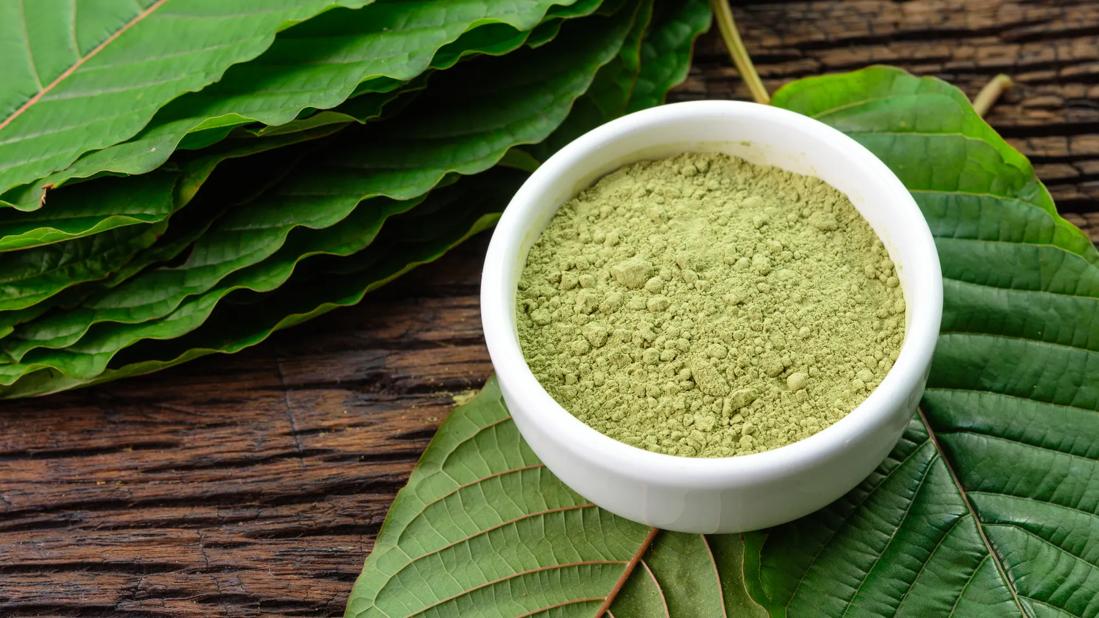
Kratom use has increased rapidly across Tennessee, often marketed as a “natural” alternative for pain relief, mood support, or opioid withdrawal. While some people begin using kratom believing it to be safe, repeated or high-dose use can quickly lead to dependence, withdrawal symptoms, and long-term health risks.
At Tulip Hill Recovery, we provide structured, medically informed kratom addiction treatment designed to help individuals safely stabilize, address the underlying causes of substance use, and build a foundation for lasting recovery.
Signs and Symptoms of Kratom Addiction
Kratom addiction can develop gradually and may be difficult to recognize at first. Common warning signs include:
Physical Indicators
- Nausea, vomiting, or constipation
- Changes in appetite or weight
- Insomnia or excessive fatigue
- Muscle aches or tremors
- Increased heart rate or blood pressure
Psychological and Behavioral Signs
- Irritability, anxiety, or mood swings
- Difficulty concentrating or memory problems
- Loss of control over kratom use
- Continued use despite negative consequences
- Withdrawal symptoms when attempting to stop
If you or a loved one is experiencing these symptoms, professional treatment can help prevent further harm.
Kratom Withdrawal
Stopping kratom abruptly can lead to uncomfortable and sometimes intense withdrawal symptoms. While withdrawal is not typically life-threatening, it can be physically and emotionally distressing without proper support.
Common kratom withdrawal symptoms include:
- Restlessness and agitation
- Anxiety or depression
- Muscle pain and joint stiffness
- Sweating and chills
- Insomnia
- Gastrointestinal discomfort
- Strong cravings
At Tulip Hill Recovery, we emphasize safe stabilization and symptom management as the first step toward recovery.
Our Approach to Kratom Addiction Treatment
Kratom addiction is complex and often connected to deeper emotional, mental health, or pain-related issues. That’s why Tulip Hill Recovery takes a whole-person approach to treatment.
-
Every client begins with a thorough clinical evaluation to understand:
- Kratom use history
- Physical health needs
- Mental health concerns
- Co-occurring substance use
- Personal recovery goals
This allows us to develop an individualized treatment plan rather than a one-size-fits-all approach.
-
For individuals experiencing physical dependence, supervised stabilization may be recommended. Our clinical team focuses on:
- Reducing withdrawal discomfort
- Monitoring physical and emotional symptoms
- Supporting sleep, nutrition, and hydration
- Creating a safe, structured environment
Our goal is to help clients transition through early recovery as comfortably and safely as possible.
-
Long-term recovery requires more than stopping substance use. At Tulip Hill Recovery, therapy is a cornerstone of kratom addiction treatment.
Individual Therapy
One-on-one counseling helps clients:
- Identify triggers and patterns of use
- Address trauma, stress, or emotional pain
- Develop healthy coping strategies
- Build motivation and confidence in recovery
Group Therapy
Group sessions provide:
- Peer support and shared understanding
- Accountability and encouragement
- Communication and relationship-building skills
Evidence-Based Modalities
Treatment may include:
- Cognitive Behavioral Therapy (CBT)
- Dialectical Behavior Therapy (DBT)
- Trauma-informed care
- Relapse prevention planning
Dual Diagnosis Treatment for Kratom Use
Many individuals struggling with kratom addiction also experience underlying mental health conditions such as anxiety, depression, PTSD, or chronic stress.
Tulip Hill Recovery offers integrated dual diagnosis treatment, allowing both substance use and mental health conditions to be addressed simultaneously. Treating both together significantly improves long-term outcomes and reduces relapse risk.

Holistic and Lifestyle-Based Support
Recovery is about rebuilding a healthy, balanced life. Our kratom rehab program incorporates supportive services that promote overall wellness, such as:
- Stress management techniques
- Mindfulness and emotional regulation skills
- Healthy routines for sleep and nutrition
- Life skills and goal-setting support
These elements help clients regain stability and confidence beyond treatment.
Continuing Care and Relapse Prevention
Recovery doesn’t stop the day a program ends—it’s something you continue building, one real-life choice at a time. That’s why Tulip Hill Recovery puts a strong focus on aftercare planning, helping each client leave treatment with a clear path forward and the support to stay grounded once they’re back in their everyday environment.
After treatment, continuing care may include outpatient therapy or step-down programming, support group recommendations, and ongoing mental health care when needed. We also prioritize practical relapse prevention strategies, along with family education and support—because recovery is stronger when the people around you understand how to help.
Most importantly, our team works closely with every client to create an individualized plan that fits their life, so they can maintain progress, handle challenges as they come, and continue moving forward with confidence.
Why Choose Tulip Hill Recovery for Kratom Rehab?
Choosing the right treatment center is a critical decision. We understand that kratom addiction often begins with an attempt to feel better—not to cause harm. Our role is to help individuals regain control, restore health, and move forward with hope.


Start Kratom Addiction Treatment in Tennessee Today
If kratom use has begun to interfere with your health, relationships, or quality of life, help is available. Recovery is possible with the right support.
Tulip Hill Recovery offers confidential assessments and personalized treatment options for individuals seeking kratom addiction treatment in Tennessee.
Reach out today to speak with our admissions team and take the first step toward a healthier, substance-free future.

Call or message us

Free assessment

Insurance check

Choose a start date
Frequently Asked Questions About Kratom: What to Know, Risks, and Treatment Options
Relapse is common and often signals that treatment intensity or support needs adjustment—not failure.
Yes. Integrated dual diagnosis care significantly improves recovery outcomes.
Many insurance plans provide coverage. Tulip Hill Healthcare can verify benefits quickly and confidentially.
Medically Supervised Kratom Detox & Treatment in Murfreesboro, TN | Tulip Hill Recovery
Kratom is often marketed as a natural supplement, but repeated use can lead to physical dependence and withdrawal symptoms similar to opioids. At Tulip Hill Recovery in Murfreesboro, Tennessee, we provide medically supervised kratom detox and comprehensive addiction treatment for individuals struggling with kratom misuse.
Kratom withdrawal can cause nausea, muscle aches, insomnia, irritability, anxiety, depression, mood swings, and intense cravings. Some individuals also experience significant psychological distress, especially if co-occurring mental health disorders such as anxiety or depression are present. Attempting to detox at home may increase relapse risk and prolong emotional instability.
Our clinical team provides 24/7 monitoring, symptom management support, psychiatric evaluation, and therapeutic stabilization during the withdrawal process. Each detox plan is individualized based on frequency of use, dosage history, medical background, and mental health needs.
Following stabilization, clients transition into structured residential treatment where underlying triggers, behavioral patterns, and co-occurring conditions are addressed through evidence-based therapy and holistic care.
Confidential admissions and insurance verification are available immediately.
The information presented on Tulip Hill Recovery website pages is intended solely for general educational and informational purposes related to addiction treatment, medical detoxification, rehabilitation services, and recovery support. This content is not intended to serve as medical advice, diagnosis, treatment planning, or a substitute for professional medical care. Substance use disorders are complex medical conditions that require individualized evaluation by qualified healthcare professionals.
Detoxification and rehabilitation needs vary widely based on the type of substance used, duration and frequency of use, physical health, mental health history, co-occurring disorders, and other individual factors. Information discussing detox timelines, withdrawal symptoms, medications, or treatment approaches is generalized and may not apply to every individual. Treatment decisions should always be made in consultation with licensed physicians, addiction specialists, or behavioral health providers.
If you or someone you love is experiencing a medical emergency — including but not limited to overdose, seizures, loss of consciousness, breathing difficulties, chest pain, suicidal thoughts, or violent behavior — call 911 immediately or go to the nearest emergency room. Tulip Hill Recovery does not provide emergency medical services through this website, and no online content should delay urgent medical intervention.
Attempting to detox from alcohol, opioids, benzodiazepines, or other substances without medical supervision can be dangerous and potentially life-threatening. Withdrawal symptoms can be unpredictable and severe. Any detox-related information provided is for awareness only and should never replace professional medical oversight.
Information regarding insurance coverage, treatment costs, or payment options is provided for general guidance purposes only. Insurance benefits vary by carrier, policy, state regulations, and medical necessity determinations. Coverage information is not guaranteed and may change without notice. Tulip Hill Recovery strongly encourages individuals to contact our admissions team directly to verify insurance benefits, eligibility, and coverage prior to making treatment decisions.
While reasonable efforts are made to ensure accuracy, Tulip Hill Recovery makes no warranties regarding the completeness or timeliness of website content. Healthcare regulations, clinical standards, and insurance policies evolve regularly. Reliance on any information provided is at your own risk.
This website may include references or links to third-party resources for informational purposes. Such references do not constitute endorsements. Tulip Hill Recovery is not responsible for external content, services, or policies.
Use of this website does not establish a provider-patient relationship. Contacting Tulip Hill Recovery does not guarantee admission or treatment. Recovery outcomes vary and are never guaranteed.
All content published on Tulip Hill Recovery website pages is provided for informational purposes only and should not be interpreted as medical, psychological, or legal advice. This information is not intended to diagnose, treat, cure, or prevent any disease or condition and should not replace consultation with licensed healthcare professionals.
Addiction is a chronic, relapsing medical condition that requires individualized care. Treatment approaches, detox protocols, and rehabilitation services vary depending on numerous factors unique to each individual. No information on this website should be relied upon to make treatment decisions without professional guidance.
If you are experiencing an emergency situation, including overdose, withdrawal complications, suicidal ideation, or immediate risk to yourself or others, call 911 immediately. Tulip Hill Recovery does not provide emergency medical services online or via website communication.
Never attempt to discontinue substance use or begin detox without proper medical supervision. Withdrawal can cause serious medical complications. Any information regarding detoxification is general in nature and does not substitute for physician-directed care.
Insurance information presented on this website is intended solely to assist users in understanding potential coverage options. Coverage is subject to verification, medical necessity determinations, and policy limitations. Tulip Hill Recovery encourages direct contact with our admissions specialists to confirm benefits and eligibility.
We do not guarantee treatment outcomes, length of stay, insurance approvals, or placement availability. Outcomes depend on numerous clinical and personal factors.
External links are provided for convenience and informational purposes only. Tulip Hill Recovery assumes no responsibility for third-party content or practices.
Use of this website does not establish a doctor-patient or therapist-patient relationship. Recovery requires professional support and individualized care.