-
→ Contributors

Medically Reviewed By:
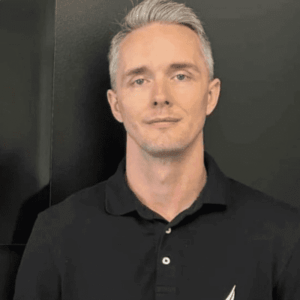
Dr. Vahid Osman, M.D.
Board-Certified Psychiatrist and Addictionologist
Dr. Vahid Osman is a Board-Certified Psychiatrist and Addictionologist who has extensive experience in skillfully treating patients with mental illness, chemical dependency and developmental disorders. Dr. Osman has trained in Psychiatry in France and in Austin, Texas.
Read more.
Clinically Reviewed By:
Josh Sprung, L.C.S.W.
Board Certified Clinical Social Worker
Joshua Sprung serves as a Clinical Reviewer at Tennessee Detox Center, bringing a wealth of expertise to ensure exceptional patient care.
Read More
-
→ Accreditations & Licenses
 The Joint Commission
 – The Gold Seal of Approval® signifies that Tulip Hill Healthcare meets or exceeds rigorous national standards for patient care, safety, and quality.
 LegitScript Certified
 – Confirms compliance with laws and standards for transparency and ethical marketing in addiction treatment.
 BBB Accredited
 – Demonstrates Tulip Hill Healthcare’s commitment to ethical business practices and community trust.
 HIPAA Compliant
 – Ensures patient information is protected under federal privacy regulations.
 ASAM Member
 – Reflects a commitment to science-based addiction treatment as a member of the American Society of Addiction Medicine.
 CARF Accredited
 – Demonstrates that Tulip Hill Healthcare meets internationally recognized standards for quality, accountability, and service excellence in behavioral health care.
-
→ Sources
Supporting Families Through Recovery
Get Family Support Now
Addiction rarely affects just one person. When substance use enters a relationship, it can slowly change how partners communicate, support each other, and handle conflict. Over time, trust may break down, emotions may become strained, and the relationship may begin to revolve around the addiction itself. Many couples struggling with substance abuse eventually ask the same question: Can a relationship survive addiction—and is healing possible during recovery?
The answer is often yes, but it requires commitment, honesty, and the right support. Couples rehab, also known as addiction treatment for couples, is designed to help partners recover both individually and together. Through therapy, communication training, and structured recovery plans, couples can address the effects addiction has had on their relationship while working toward long-term sobriety.
For many partners, relationship recovery after addiction becomes a powerful opportunity to rebuild trust, strengthen emotional connection, and develop healthier patterns that support lasting recovery.
Understanding the Impact of Addiction on Relationships
Addiction has a ripple effect. While the person struggling with substance use experiences the physical and psychological consequences, their partner often experiences emotional distress, confusion, and uncertainty about how to help.
Substance use can gradually alter relationship dynamics. Communication may become defensive or hostile. One partner may begin hiding behaviors or lying about substance use, while the other may feel increasingly anxious or suspicious. Over time, arguments may become more frequent, and emotional distance can grow.
Financial stress is also common. Addiction may lead to job loss, missed responsibilities, or spending money on drugs or alcohol. These stressors can add pressure to the relationship and increase feelings of instability.
Many couples also fall into unhealthy patterns such as codependency. In these situations, the partner without addiction may attempt to control or manage the other person’s behavior, sometimes unintentionally enabling substance use by protecting them from consequences.
While these patterns are painful, they are also common. Addiction treatment for couples focuses on identifying and changing these dynamics so that both partners can move toward healthier interactions.
What Is Couples Rehab?
Couples rehab is a specialized addiction treatment approach where partners participate in recovery together. Instead of treating substance use as an individual issue, this model recognizes that relationships often play a major role in both addiction and recovery.
In couples rehab, both individuals participate in therapy and recovery planning. One partner may be struggling with addiction, or in some cases both partners may have substance use disorders. Regardless of the situation, treatment focuses on helping each person develop healthier coping skills while strengthening the relationship.
Programs typically include a combination of individual therapy, joint counseling sessions, and recovery education. Individual therapy allows each partner to address personal challenges such as trauma, mental health concerns, or triggers for substance use. Couples sessions focus on rebuilding communication, addressing past conflict, and learning how to support each other in sobriety.
Some programs also incorporate Behavioral Couples Therapy (BCT), an evidence-based approach that helps couples improve relationship satisfaction while supporting abstinence from substances. BCT encourages partners to work together toward recovery goals and develop daily habits that reinforce sobriety.
By addressing both addiction and relationship dynamics simultaneously, couples rehab helps partners create an environment that supports long-term recovery.
Can Relationships Heal During Addiction Recovery?
Healing is possible, but it requires effort from both partners. Addiction often damages trust and emotional security, so rebuilding a relationship takes time and patience.
Recovery involves more than stopping substance use. It also means acknowledging the ways addiction has affected the relationship and taking steps to repair those impacts. Couples therapy creates a space where partners can explore difficult conversations without falling back into old patterns of blame or defensiveness.
Through therapy, partners often gain a deeper understanding of each other’s experiences. The person recovering from addiction may learn how their behavior affected their partner, while the other partner may gain insight into the challenges of addiction itself.
This mutual understanding is often the first step toward healing. As communication improves and sobriety becomes more stable, many couples begin rebuilding trust and rediscovering emotional connection.
For some relationships, recovery becomes a turning point that leads to a stronger and healthier partnership than before addiction entered the picture.
The Benefits of Addiction Treatment for Couples
Participating in addiction treatment for couples offers several advantages that support both sobriety and relationship healing.
Strengthening Communication
Addiction often disrupts healthy communication. Partners may become defensive, avoid difficult conversations, or express frustration in ways that escalate conflict. Couples therapy introduces practical communication strategies that help partners listen actively and express themselves more clearly.
Learning these skills can transform how couples navigate disagreements and emotional challenges.
Rebuilding Trust
Trust is frequently one of the biggest casualties of addiction. Broken promises, secrecy, and unpredictable behavior can leave partners feeling hurt and uncertain about the future.
Recovery programs emphasize honesty, accountability, and consistency. As the partner in recovery demonstrates commitment to sobriety and transparency, trust can gradually begin to return.
Creating Shared Accountability
When couples pursue recovery together, they often become strong support systems for one another. Partners learn how to recognize triggers, encourage healthy habits, and celebrate milestones in sobriety.
Shared accountability can increase motivation and provide emotional encouragement during difficult moments.
Breaking Cycles of Enabling
Many relationships affected by addiction develop enabling behaviors. A partner may attempt to protect their loved one by covering up mistakes, avoiding confrontation, or minimizing the severity of substance use.
Couples therapy helps partners recognize these patterns and replace them with healthier boundaries that support recovery rather than unintentionally sustaining addiction.
Improving Emotional Intimacy
Substance use often creates emotional distance within a relationship. As couples work through therapy and recovery together, they often rediscover emotional closeness and rebuild a sense of partnership.
This renewed connection can become an important source of strength during long-term recovery.
When Couples Rehab May Not Be the Right Choice
Although couples rehab can be extremely beneficial, it is not appropriate for every relationship.
If there is ongoing domestic violence or emotional abuse, treatment providers may recommend individual therapy and separate recovery programs instead. Safety must always remain the top priority.
Similarly, if one partner is unwilling to participate in recovery or continues actively using substances, couples therapy may not be effective until both individuals are ready to engage in the process.
Addiction professionals carefully assess each couple’s situation before recommending treatment. In some cases, individual rehab followed by couples counseling later in recovery may be the best approach.
Life After Couples Rehab
Completing treatment is only the beginning of the recovery journey. Maintaining both sobriety and a healthy relationship requires ongoing commitment.
Many couples continue strengthening their relationship through outpatient counseling, support groups, and healthy lifestyle changes. Regular communication, shared goals, and strong boundaries help reinforce the progress made during treatment.
Partners may also develop new routines together, such as exercise, hobbies, or volunteering, which can help replace old habits associated with substance use.
Relapse prevention planning is another important part of long-term recovery. Couples learn how to recognize warning signs and support each other if challenges arise.
Over time, many couples find that recovery not only restored their relationship but helped them build a deeper and more resilient partnership.
A New Chapter for Relationships in Recovery
Addiction can deeply strain a relationship, but it does not have to define its future. Through professional support, open communication, and shared commitment to sobriety, couples can begin rebuilding the trust and emotional connection that addiction disrupted.
Couples rehab and addiction treatment for couples provide structured support for partners who want to heal together. By addressing both the individual challenges of addiction and the relationship dynamics surrounding it, couples can move toward lasting sobriety and a healthier partnership.
Recovery is not an easy journey, but it can become an opportunity for growth. Many couples emerge from treatment with stronger communication skills, deeper understanding of each other, and a renewed sense of hope for the future.
For those willing to commit to the process, relationship recovery after addiction is possible—and healing together can lead to a stronger bond than ever before.

Call or message us
You’ll connect with a compassionate admissions coordinator who understands what you’re going through.

Free assessment
We’ll ask about your drug use, medical history, and mental health to help build the right plan.

Insurance check
We’ll verify your benefits and explain exactly what’s covered—no surprises.

Choose a start date
If you’re ready, we can often schedule your intake the same week.
Start Your Recovery Now
Get help today and start a new life
We are here 24/7 feel free to contact us anytime
Get Help Now
\n
\n

\n
Medically Reviewed By:
\n Dr. Vahid Osman, M.D.
\n Board-Certified Psychiatrist and Addictionologist\n
Dr. Vahid Osman is a Board-Certified Psychiatrist and Addictionologist who has extensive experience in skillfully treating patients with mental illness, chemical dependency and developmental disorders. Dr. Osman has trained in Psychiatry in France and in Austin, Texas. \n Read more.\n
\n
\n\n \n
\n

\n
Clinically Reviewed By:
\n Josh Sprung, L.C.S.W.
\n Board Certified Clinical Social Worker\n
Joshua Sprung serves as a Clinical Reviewer at Tennessee Detox Center, bringing a wealth of expertise to ensure exceptional patient care. \n Read More\n
\n
\n\n
\n”,”title”:”→ Contributors”}},{“type”:”accordion_item”,”props”:{“content”:”
\n
\n

\n
The Joint Commission – The Gold Seal of Approval® signifies that Tulip Hill Healthcare meets or exceeds rigorous national standards for patient care, safety, and quality.
\n
\n\n

\n
LegitScript Certified – Confirms compliance with laws and standards for transparency and ethical marketing in addiction treatment.
\n
\n\n

\n
BBB Accredited – Demonstrates Tulip Hill Healthcare’s commitment to ethical business practices and community trust.
\n
\n\n
\n\n

\n
HIPAA Compliant – Ensures patient information is protected under federal privacy regulations.
\n
\n\n

\n
ASAM Member – Reflects a commitment to science-based addiction treatment as a member of the American Society of Addiction Medicine.
\n
\n\n
\n\n

\n
CARF Accredited – Demonstrates that Tulip Hill Healthcare meets internationally recognized standards for quality, accountability, and service excellence in behavioral health care.
\n
\n
“,”link_text”:”Learn more “,”title”:”→ Accreditations & Licenses”}},{“type”:”accordion_item”,”props”:{“content”:”
\n
\n
\n
\n
\n
\n
\n
“,”link_text”:”Learn more “,”title”:”→ Sources”}}],”name”:”THH EEAT Sidebar “},{“type”:”fragment”,”props”:{“css”:”.el-element {\n padding: 20px 10px 20px;\n border-radius: 0px;\n box-shadow: rgba(149, 157, 165, 0.2) 0px 8px 24px;\n background-color: #f7f7f7;\n color: #000000;\n}\n\n.uk-link-text {\n font-size: 16px;\n font-weight: 400;\n line-height: 25px;\n color: #000000;\n}”,”margin_bottom”:”default”,”margin_top”:”default”},”children”:[{“type”:”row”,”children”:[{“type”:”column”,”props”:{“image_position”:”center-center”,”position_sticky_breakpoint”:”m”},”children”:[{“type”:”headline”,”props”:{“block_align”:”center”,”css”:”.el-element {\n \tmargin-left: 25px;\n}”,”image_align”:”left”,”image_margin”:”xsmall”,”maxwidth”:”medium”,”title_element”:”h4″,”title_style”:”h4″},”source”:{“query”:{“name”:”customMenuItems”,”arguments”:{“id”:2,”parent”:””,”heading”:””,”include_heading”:true,”ids”:[“16523″]}},”props”:{“content”:{“name”:”title”},”link”:{“name”:”url”}}}},{“name”:”List Image Left Style Divider”,”type”:”list”,”children”:[{“type”:”list_item”,”source”:{“query”:{“name”:”customMenuItems”,”arguments”:{“id”:2,”parent”:””,”heading”:””,”include_heading”:true,”ids”:[“16522″,”16534″,”16540″,”16550″,”16569″,”16623″,”16611″,”16617″,”16521″]}},”props”:{“_condition”:{“name”:”title”,”filters”:{“condition”:”!!”}},”content”:{“name”:”title”},”link”:{“name”:”url”}}}}],”props”:{“column_breakpoint”:”m”,”css”:”.el-element {\n \tpadding: 0px 25px !important; \n}\n.uk-link-text span {\n color: #00539C;\n\tfont-size: 14px;\n}\n\n.uk-link-text {\n font-size: 16px;\n font-weight: 400;\n line-height: 25px;\n color: #000000;\n}\n\n.el-item:hover .uk-link-text span {\n color: #f29a6e;\n}”,”image_align”:”left”,”image_border”:”rounded”,”image_height”:”80″,”image_svg_color”:”emphasis”,”image_vertical_align”:true,”image_width”:”80″,”link_style”:”text”,”list_element”:”ul”,”list_horizontal_separator”:”, “,”list_style”:”divider”,”list_type”:”vertical”,”show_image”:true,”show_link”:true}}]}]}],”name”:”THH What We Treat Panel “},{“type”:”fragment”,”props”:{“css”:”\n\n.el-element {\n padding: 20px 10px 20px;\n border-radius: 0px;\n box-shadow: rgba(149, 157, 165, 0.2) 0px 8px 24px;\n background-color: #29376d;\n color: #fff;\n}\n\n.uk-link-text {\n font-size: 16px;\n font-weight: 400;\n line-height: 25px;\n color: #fff;\n}”,”margin_bottom”:”default”,”margin_top”:”default”},”children”:[{“type”:”row”,”children”:[{“type”:”column”,”props”:{“image_position”:”center-center”,”position_sticky_breakpoint”:”m”},”children”:[{“type”:”headline”,”props”:{“block_align”:”center”,”css”:”.el-element {\n \tmargin-left: 25px;\n}”,”image_align”:”left”,”image_margin”:”xsmall”,”maxwidth”:”medium”,”title_color”:”muted”,”title_element”:”h4″,”title_style”:”h4″},”source”:{“query”:{“name”:”customMenuItems”,”arguments”:{“id”:2,”parent”:””,”heading”:””,”include_heading”:true,”ids”:[“1403″]}},”props”:{“content”:{“name”:”title”},”link”:{“name”:”url”}}}},{“name”:”List Image Left Style Divider”,”type”:”list”,”children”:[{“type”:”list_item”,”source”:{“query”:{“name”:”customMenuItems”,”arguments”:{“id”:2,”parent”:””,”heading”:””,”include_heading”:true,”ids”:[“1743″,”1746″,”1744″,”1745″,”2062″,”2063″,”2024″,”16666″,”1741″,”1742″,”2060″,”2061″,”2064″]}},”props”:{“_condition”:{“name”:”title”,”filters”:{“condition”:”!!”}},”content”:{“name”:”title”},”link”:{“name”:”url”}}}}],”props”:{“column_breakpoint”:”m”,”css”:”.el-element {\n \tpadding: 0px 25px !important; \n}\n.uk-link-text span {\n color: #00539C;\n\tfont-size: 14px;\n}\n\n.uk-link-text {\n font-size: 16px;\n font-weight: 400;\n line-height: 25px;\n color: #000000;\n}\n\n.el-item:hover .uk-link-text span {\n color: #f29a6e;\n}”,”image_align”:”left”,”image_border”:”rounded”,”image_height”:”80″,”image_svg_color”:”emphasis”,”image_vertical_align”:true,”image_width”:”80″,”link_style”:”text”,”list_element”:”ul”,”list_horizontal_separator”:”, “,”list_style”:”divider”,”list_type”:”vertical”,”show_image”:true,”show_link”:true}}]}]}],”name”:”THH Areas Panel “},{“type”:”fragment”,”props”:{“css”:”.el-element {\n padding: 20px 10px 20px;\n border-radius: 0px;\n box-shadow: rgba(149, 157, 165, 0.2) 0px 8px 24px;\n background-color: #f7f7f7;\n color: #000000;\n}\n\n.uk-link-text {\n font-size: 16px;\n font-weight: 400;\n line-height: 25px;\n color: #000000;\n}”,”margin_bottom”:”default”,”margin_top”:”default”,”visibility”:”l”},”children”:[{“type”:”row”,”children”:[{“type”:”column”,”props”:{“image_position”:”center-center”,”position_sticky_breakpoint”:”m”},”children”:[{“type”:”headline”,”props”:{“block_align”:”center”,”css”:”.el-element {\n \tmargin-left: 25px;\n}”,”image_align”:”left”,”image_margin”:”xsmall”,”maxwidth”:”medium”,”title_element”:”h4″,”title_style”:”h4″},”source”:{“query”:{“name”:”customMenuItems”,”arguments”:{“id”:2,”parent”:””,”heading”:””,”include_heading”:true,”ids”:[“1924″]}},”props”:{“link”:{“name”:”url”},”content”:{“name”:”title”}}},”name”:”Insurance panel”},{“name”:”List Image Left Style Divider”,”type”:”list”,”children”:[{“type”:”list_item”,”props”:{“content”:”
Insurance
“}},{“type”:”list_item”,”source”:{“query”:{“name”:”customMenuItems”,”arguments”:{“id”:2,”parent”:””,”heading”:””,”include_heading”:true,”ids”:[“1925″,”1926″,”16503″,”16467″,”16472″,”16491″,”16453″,”16492″,”16498″]}},”props”:{“_condition”:{“name”:”title”,”filters”:{“condition”:”!!”}},”link”:{“name”:”url”},”content”:{“name”:”title”}}}}],”props”:{“column_breakpoint”:”m”,”css”:”.el-element {\n \tpadding: 0px 25px !important; \n}\n.uk-link-text span {\n color: #00539C;\n\tfont-size: 14px;\n}\n\n.uk-link-text {\n font-size: 16px;\n font-weight: 400;\n line-height: 25px;\n color: #000000;\n}\n\n.el-item:hover .uk-link-text span {\n color: #f29a6e;\n}”,”image_align”:”left”,”image_border”:”rounded”,”image_height”:”80″,”image_svg_color”:”emphasis”,”image_vertical_align”:true,”image_width”:”80″,”link_style”:”text”,”list_element”:”ul”,”list_horizontal_separator”:”, “,”list_style”:”divider”,”list_type”:”vertical”,”show_image”:true,”show_link”:true}}]}]}],”name”:”THH Insurance Panel “},{“type”:”panel”,”props”:{“content”:”
\n
“,”content_column_breakpoint”:”m”,”css”:”/* Container hides any iframe overflow */\n.iframe-wrapper {\n width: 100%;\n height: 450px; /* your desired height */\n overflow: hidden; /* hides the iframe’s own scrollbars */\n}\n\n/* Make iframe fill the wrapper */\n.iframe-wrapper .ctm-call-widget {\n width: 100%;\n height: 100%;\n border: none;\n}\n”,”image_align”:”top”,”image_grid_breakpoint”:”m”,”image_grid_width”:”1-2″,”image_svg_color”:”emphasis”,”link_style”:”default”,”link_text”:”Read more”,”margin_bottom”:”default”,”margin_top”:”default”,”meta”:”Get Family Support Now”,”meta_align”:”below-title”,”meta_element”:”div”,”meta_style”:”text-meta”,”panel_padding”:”default”,”panel_style”:”tile-muted”,”title”:”Supporting Families Through Recovery”,”title_align”:”top”,”title_element”:”h3″,”title_grid_breakpoint”:”m”,”title_grid_width”:”1-2″,”title_hover_style”:”reset”},”name”:”Family Support THH Sidebar”}]},{“type”:”column”,”props”:{“image_position”:”center-center”,”order_first”:”xs”,”position_sticky_breakpoint”:”m”,”width_medium”:”2-3″},”children”:[{“type”:”text”,”props”:{“column_breakpoint”:”m”,”content”:”
\n
Addiction rarely affects just one person. When substance use enters a relationship, it can slowly change how partners communicate, support each other, and handle conflict. Over time, trust may break down, emotions may become strained, and the relationship may begin to revolve around the addiction itself. Many couples struggling with substance abuse eventually ask the same question: Can a relationship survive addiction—and is healing possible during recovery?
\n
The answer is often yes, but it requires commitment, honesty, and the right support. Couples rehab, also known as addiction treatment for couples, is designed to help partners recover both individually and together. Through therapy, communication training, and structured recovery plans, couples can address the effects addiction has had on their relationship while working toward long-term sobriety.
\n
For many partners, relationship recovery after addiction becomes a powerful opportunity to rebuild trust, strengthen emotional connection, and develop healthier patterns that support lasting recovery.
\n
\n
Understanding the Impact of Addiction on Relationships
\n
Addiction has a ripple effect. While the person struggling with substance use experiences the physical and psychological consequences, their partner often experiences emotional distress, confusion, and uncertainty about how to help.
\n
Substance use can gradually alter relationship dynamics. Communication may become defensive or hostile. One partner may begin hiding behaviors or lying about substance use, while the other may feel increasingly anxious or suspicious. Over time, arguments may become more frequent, and emotional distance can grow.
\n
Financial stress is also common. Addiction may lead to job loss, missed responsibilities, or spending money on drugs or alcohol. These stressors can add pressure to the relationship and increase feelings of instability.
\n
Many couples also fall into unhealthy patterns such as codependency. In these situations, the partner without addiction may attempt to control or manage the other person’s behavior, sometimes unintentionally enabling substance use by protecting them from consequences.
\n
While these patterns are painful, they are also common. Addiction treatment for couples focuses on identifying and changing these dynamics so that both partners can move toward healthier interactions.
\n
\n
What Is Couples Rehab?
\n
Couples rehab is a specialized addiction treatment approach where partners participate in recovery together. Instead of treating substance use as an individual issue, this model recognizes that relationships often play a major role in both addiction and recovery.
\n
In couples rehab, both individuals participate in therapy and recovery planning. One partner may be struggling with addiction, or in some cases both partners may have substance use disorders. Regardless of the situation, treatment focuses on helping each person develop healthier coping skills while strengthening the relationship.
\n
Programs typically include a combination of individual therapy, joint counseling sessions, and recovery education. Individual therapy allows each partner to address personal challenges such as trauma, mental health concerns, or triggers for substance use. Couples sessions focus on rebuilding communication, addressing past conflict, and learning how to support each other in sobriety.
\n
Some programs also incorporate Behavioral Couples Therapy (BCT), an evidence-based approach that helps couples improve relationship satisfaction while supporting abstinence from substances. BCT encourages partners to work together toward recovery goals and develop daily habits that reinforce sobriety.
\n
By addressing both addiction and relationship dynamics simultaneously, couples rehab helps partners create an environment that supports long-term recovery.
\n
\n
Can Relationships Heal During Addiction Recovery?
\n
Healing is possible, but it requires effort from both partners. Addiction often damages trust and emotional security, so rebuilding a relationship takes time and patience.
\n
Recovery involves more than stopping substance use. It also means acknowledging the ways addiction has affected the relationship and taking steps to repair those impacts. Couples therapy creates a space where partners can explore difficult conversations without falling back into old patterns of blame or defensiveness.
\n
Through therapy, partners often gain a deeper understanding of each other’s experiences. The person recovering from addiction may learn how their behavior affected their partner, while the other partner may gain insight into the challenges of addiction itself.
\n
This mutual understanding is often the first step toward healing. As communication improves and sobriety becomes more stable, many couples begin rebuilding trust and rediscovering emotional connection.
\n
For some relationships, recovery becomes a turning point that leads to a stronger and healthier partnership than before addiction entered the picture.
\n
\n
The Benefits of Addiction Treatment for Couples
\n
Participating in addiction treatment for couples offers several advantages that support both sobriety and relationship healing.
\n
Strengthening Communication
\n
Addiction often disrupts healthy communication. Partners may become defensive, avoid difficult conversations, or express frustration in ways that escalate conflict. Couples therapy introduces practical communication strategies that help partners listen actively and express themselves more clearly.
\n
Learning these skills can transform how couples navigate disagreements and emotional challenges.
\n
Rebuilding Trust
\n
Trust is frequently one of the biggest casualties of addiction. Broken promises, secrecy, and unpredictable behavior can leave partners feeling hurt and uncertain about the future.
\n
Recovery programs emphasize honesty, accountability, and consistency. As the partner in recovery demonstrates commitment to sobriety and transparency, trust can gradually begin to return.
\n
Creating Shared Accountability
\n
When couples pursue recovery together, they often become strong support systems for one another. Partners learn how to recognize triggers, encourage healthy habits, and celebrate milestones in sobriety.
\n
Shared accountability can increase motivation and provide emotional encouragement during difficult moments.
\n
Breaking Cycles of Enabling
\n
Many relationships affected by addiction develop enabling behaviors. A partner may attempt to protect their loved one by covering up mistakes, avoiding confrontation, or minimizing the severity of substance use.
\n
Couples therapy helps partners recognize these patterns and replace them with healthier boundaries that support recovery rather than unintentionally sustaining addiction.
\n
Improving Emotional Intimacy
\n
Substance use often creates emotional distance within a relationship. As couples work through therapy and recovery together, they often rediscover emotional closeness and rebuild a sense of partnership.
\n
This renewed connection can become an important source of strength during long-term recovery.
\n
\n
When Couples Rehab May Not Be the Right Choice
\n
Although couples rehab can be extremely beneficial, it is not appropriate for every relationship.
\n
If there is ongoing domestic violence or emotional abuse, treatment providers may recommend individual therapy and separate recovery programs instead. Safety must always remain the top priority.
\n
Similarly, if one partner is unwilling to participate in recovery or continues actively using substances, couples therapy may not be effective until both individuals are ready to engage in the process.
\n
Addiction professionals carefully assess each couple’s situation before recommending treatment. In some cases, individual rehab followed by couples counseling later in recovery may be the best approach.
\n
\n
Life After Couples Rehab
\n
Completing treatment is only the beginning of the recovery journey. Maintaining both sobriety and a healthy relationship requires ongoing commitment.
\n
Many couples continue strengthening their relationship through outpatient counseling, support groups, and healthy lifestyle changes. Regular communication, shared goals, and strong boundaries help reinforce the progress made during treatment.
\n
Partners may also develop new routines together, such as exercise, hobbies, or volunteering, which can help replace old habits associated with substance use.
\n
Relapse prevention planning is another important part of long-term recovery. Couples learn how to recognize warning signs and support each other if challenges arise.
\n
Over time, many couples find that recovery not only restored their relationship but helped them build a deeper and more resilient partnership.
\n
\n
A New Chapter for Relationships in Recovery
\n
Addiction can deeply strain a relationship, but it does not have to define its future. Through professional support, open communication, and shared commitment to sobriety, couples can begin rebuilding the trust and emotional connection that addiction disrupted.
\n
Couples rehab and addiction treatment for couples provide structured support for partners who want to heal together. By addressing both the individual challenges of addiction and the relationship dynamics surrounding it, couples can move toward lasting sobriety and a healthier partnership.
\n
Recovery is not an easy journey, but it can become an opportunity for growth. Many couples emerge from treatment with stronger communication skills, deeper understanding of each other, and a renewed sense of hope for the future.
\n
For those willing to commit to the process, relationship recovery after addiction is possible—and healing together can lead to a stronger bond than ever before.
“,”css”:”h2 {\n /* Copy all relevant styles from your h3 declaration, e.g.: */\n font-size: 1.17em;\n margin-top: 1em;\n margin-bottom: 1em;\n font-weight: bold;\n display: block;\n}\n”,”margin_bottom”:”default”,”margin_top”:”default”}},{“type”:”grid”,”props”:{“animation”:”scale-up”,”content_column_breakpoint”:”m”,”css”:”.el-item {\n border: 1px solid #e5e7eb;\n border-radius: 12px;\n padding: 16px;\n background: #fff;\n overflow: hidden; /* ensures square images don’t poke past the rounded corners */\n}\n.el-item:hover {\n border-color: #cbd5e1;\n box-shadow: 0 4px 14px rgba(0,0,0,.06);\n}\n”,”filter_align”:”left”,”filter_all”:true,”filter_grid_breakpoint”:”m”,”filter_grid_width”:”auto”,”filter_position”:”top”,”filter_style”:”tab”,”grid_column_gap”:”small”,”grid_default”:”1″,”grid_large”:”2″,”grid_medium”:”3″,”grid_row_gap”:”small”,”grid_small”:”1″,”grid_xlarge”:”2″,”image_align”:”top”,”image_grid_breakpoint”:”m”,”image_grid_width”:”1-2″,”image_svg_color”:”emphasis”,”image_svg_inline”:true,”item_animation”:true,”lightbox_bg_close”:true,”link_style”:”default”,”link_text”:”Read more”,”margin_bottom”:”default”,”margin_top”:”default”,”meta_align”:”below-title”,”meta_element”:”div”,”meta_style”:”text-meta”,”panel_padding”:”default”,”panel_style”:”card-default”,”show_content”:true,”show_hover_image”:true,”show_hover_video”:true,”show_image”:true,”show_link”:true,”show_meta”:true,”show_title”:true,”show_video”:true,”text_align”:”center”,”title_align”:”top”,”title_color”:”muted”,”title_element”:”h3″,”title_grid_breakpoint”:”m”,”title_grid_width”:”1-2″,”title_hover_style”:”reset”,”title_style”:”h3″},”children”:[{“type”:”grid_item”,”props”:{“content”:”You’ll connect with a compassionate admissions coordinator who understands what you’re going through.”,”image”:”wp-content/uploads/2025/09/image-2025-09-18T143229.081.png”,”title”:”Call or message us”}},{“type”:”grid_item”,”props”:{“content”:”We’ll ask about your drug use, medical history, and mental health to help build the right plan.”,”image”:”wp-content/uploads/2025/09/image-2025-09-18T143257.497.png”,”title”:”Free assessment”}},{“type”:”grid_item”,”props”:{“content”:”We’ll verify your benefits and explain exactly what’s covered—no surprises.”,”image”:”wp-content/uploads/2025/09/image-2025-09-18T143245.530.png”,”title”:”Insurance check”}},{“type”:”grid_item”,”props”:{“content”:”If you’re ready, we can often schedule your intake the same week.”,”image”:”wp-content/uploads/2025/09/image-2025-09-18T143236.980.png”,”title”:”Choose a start date”}}],”name”:”CTA Boxes”},{“type”:”button”,”props”:{“fullwidth”:true,”grid_column_gap”:”small”,”grid_row_gap”:”small”,”margin_bottom”:”default”,”margin_top”:”default”},”children”:[{“type”:”button_item”,”props”:{“button_style”:”primary”,”content”:”Start Your Recovery Now”,”dialog_layout”:”modal”,”dialog_offcanvas_flip”:true,”icon_align”:”left”,”link”:”tel:629-201-2776″,”link_title”:”Start Your Recovery Now”}}],”name”:”Admissions Button”}]}]}],”name”:”Subpage Post”},{“type”:”section”,”props”:{“height”:”pixels”,”height_viewport”:360,”image”:”wp-content/uploads/2024/04/front-view-pensive-woman-group-therapy-session-1.png”,”image_position”:”center-center”,”image_size”:”cover”,”media_overlay_gradient”:” background: rgb(10, 11, 30); background: linear-gradient(90deg, rgba(10, 11, 30, 0.84) 0%, rgba(28, 30, 69, 0.84) 35%, rgba(80, 122, 48, 0.84) 100%);”,”style”:”default”,”title_breakpoint”:”xl”,”title_position”:”top-left”,”title_rotation”:”left”,”vertical_align”:”middle”,”width”:”default”},”children”:[{“type”:”row”,”children”:[{“type”:”column”,”props”:{“image_position”:”center-center”,”position_sticky_breakpoint”:”m”},”children”:[{“type”:”panel”,”props”:{“content”:”
We are here 24/7 feel free to contact us anytime
“,”content_column_breakpoint”:”m”,”content_margin”:”small”,”content_style”:”h2″,”css”:”.el-title,\n.el-content {\n\tcolor: #fff; \n}\n\n”,”image_align”:”top”,”image_grid_breakpoint”:”m”,”image_grid_width”:”1-2″,”image_svg_color”:”emphasis”,”link”:”#”,”link_size”:”large”,”link_style”:”primary”,”link_text”:”Get Help Now “,”margin_bottom”:”default”,”margin_top”:”default”,”meta”:””,”meta_align”:”below-title”,”meta_element”:”div”,”meta_style”:”text-meta”,”text_align”:”center”,”title”:”Get help today and start a new life”,”title_align”:”top”,”title_element”:”h3″,”title_grid_breakpoint”:”m”,”title_grid_width”:”1-2″,”title_hover_style”:”reset”,”title_style”:”text-lead”}}]}]}],”name”:”CTA Get Help Now”}],”version”:”5.0.19″} –>