


Benzodiazepines—often referred to as benzos—are prescription medications commonly used to treat anxiety, panic attacks, insomnia, and sometimes seizures. You might recognize names like Xanax, Ativan, Klonopin, or Valium.
When taken as prescribed for short-term use, they can be effective tools for managing overwhelming symptoms.
Benzodiazepines also come with a serious downside: they’re highly addictive.
Because benzos work by calming the nervous system, they can create a fast sense of relief and even euphoria. Over time, the body can build up a tolerance, needing more of the drug to get the same effects.
What begins as a legitimate prescription can quickly spiral into dependence—and eventually, benzo addiction.
At Tulip Hill Recovery, we specialize in treating both benzodiazepine addiction and the mental health conditions that often come with it.
Through our Tennessee mental health treatment and dual diagnosis programs, we help individuals break free from addiction while addressing the underlying anxiety, trauma, or depression that may have contributed to it.
Benzo addiction can sneak up on anyone, but with the right support, recovery is absolutely possible.

Understanding Benzodiazepine Addiction
For many people, benzodiazepine addiction doesn’t start with the intent to misuse. It often begins with a legitimate prescription—something to help manage anxiety, panic attacks, or insomnia.
At first, the medication works. You feel calmer. You sleep better. But over time, that same dose may not feel as effective, and it becomes tempting to take more than prescribed.
This is how tolerance begins to build. Your body starts relying on the medication to feel “normal.”
As the dosage increases, so does the risk of dependence, and soon, stopping or even missing a dose can trigger withdrawal symptoms like anxiety, shaking, or insomnia.
This cycle of relief and rebound can lead someone into full-blown benzo addiction before they realize what’s happening.
In other cases, misuse starts recreationally. Some people take benzodiazepines without a prescription to relax or enhance the effects of other substances like alcohol or opioids—a combination that can be extremely dangerous.
Mixing benzodiazepines with other depressants slows the central nervous system and greatly increases the risk of overdose.
No one chooses to become a benzo addict. Addiction doesn’t reflect weakness or failure—it reflects how powerful and habit-forming these medications can be.
At Tulip Hill Recovery, we meet people where they are, without judgment, and help them take the steps to regain control.
Short-Term Symptoms of Benzodiazepine Abuse
In the short term, benzos can cause a sense of calm or sedation, but even at therapeutic doses—or especially when misused—they can lead to side effects such as:
- Drowsiness or excessive fatigue
- Confusion or disorientation
- Slurred speech and poor coordination
- Slowed breathing or heart rate
- Blurred vision
- Impaired judgment
These symptoms can be dangerous on their own, but they become especially risky when benzos are combined with alcohol or opioids—both of which depress the central nervous system and significantly elevate the risk of overdose.
Long-Term Effects of Benzodiazepine Abuse
Over time, prolonged use or misuse of benzodiazepines can take a toll on health, mentally and physically.
Common long-term symptoms include:
- Cognitive decline and memory issues (often referred to as “benzo brain”)
- Rebound anxiety and worsening panic symptoms
- Chronic depression or emotional numbness
- Mood instability or suicidal thoughts
- Increased risk of accidental overdose, especially as tolerance builds
What’s especially difficult is that some of these symptoms—like anxiety, insomnia, or panic—may mirror the very issues the medication was prescribed to treat.
As a result, people may continue taking more just to feel normal, deepening the cycle of dependence.
If you or someone you love is experiencing any of these benzodiazepine abuse symptoms, know that help is available.
Tulip Hill Recovery offers a supportive space to begin healing from benzos addiction with a team who understands what you’re going through.
At Tulip Hill Recovery, our methamphetamine addiction treatment in Murfreesboro is designed to help individuals heal not just physically, but mentally and emotionally as well.
Signs You May Need Benzodiazepine Detox
One of the most dangerous parts of benzodiazepine addiction is what happens when someone tries to stop using them abruptly. Because benzos directly affect the central nervous system, quitting “cold turkey” can cause intense and sometimes life-threatening withdrawal symptoms.
Unlike many other substances, benzo withdrawal can cause serious complications—even if the person wasn’t taking extremely high doses.
That’s why medical detox is always recommended when someone is ready to stop.
One of the most difficult parts of benzo addiction is that it can sneak up gradually. Many people who are struggling don’t realize they’ve become dependent—especially if their use started with a doctor’s prescription.
Recognizing the signs early is key to getting help before things get worse.
Benzodiazepine addiction symptoms can show up in different ways—physically, emotionally, and behaviorally. Below are some common red flags to look out for:
-
Physical Signs
- Drowsiness or constant fatigue
- Slurred speech
- Dizziness or poor coordination
- Muscle weakness
- Trouble focusing or remembering things (also known as “benzo brain fog”)
-
Behavioral Signs
- “Doctor shopping” or visiting multiple providers to get more prescriptions
- Taking higher doses than prescribed or taking pills more often
- Isolating from friends or family
- Difficulty keeping up with responsibilities at work, school, or home
- Continuing to use benzos even when they’re no longer needed—or when they’re causing problems
-
Emotional & Psychological Symptoms
- Irritability or mood swings
- Feeling anxious between doses
- Panic or insomnia if benzos are unavailable
- Depression or emotional numbness
-
Emotional and Cognitive Warning Signs
- Mood Swings and Aggression: Quick changes from euphoria to intense anger, agitation, or irritability.
- Paranoia and Anxiety: Feeling overly suspicious, fearful, or constantly on edge.
- Psychosis: Experiencing hallucinations, delusions, or bizarre thinking patterns.
- Depression: Crushing sadness and hopelessness during crashes between meth binges.
These symptoms of benzo abuse aren’t always obvious at first, especially when someone is taking medication that was prescribed to them. When use starts to interfere with daily life, health, or relationships, it’s a sign that help may be needed.
At Tulip Hill Recovery, we help people recognize these signs and regain control through expert care and personalized treatment.

One of the most dangerous aspects of benzodiazepine abuse is the risk of overdose—especially when benzos are mixed with other substances like alcohol or opioids.
Because all of these drugs slow down the central nervous system, combining them can cause breathing to slow or stop entirely.
This is one of the leading causes of fatal overdoses involving benzos.
Although benzos are often prescribed for anxiety or panic, long-term misuse can actually make these symptoms worse.
Many people experience depression, emotional numbness, or even psychosis after prolonged use. The more someone relies on benzodiazepines to regulate emotions, the harder it becomes to cope without them.
Chronic use of benzodiazepines has been linked to memory loss, slowed thinking, and even signs of early cognitive decline.
These symptoms can persist well after a person stops using, making recovery more complex and emotionally challenging.
Because benzodiazepines are often used alongside other drugs or alcohol, the risk of developing polysubstance addiction is high.
What starts as occasional misuse can quickly evolve into a more complicated and dangerous pattern involving multiple substances—each with its own withdrawal symptoms and risks.
If you’re struggling with benzodiazepines addiction, you’re not alone—and the damage isn’t irreversible.
With the right treatment and support, it’s possible to recover both mentally and physically. Tulip Hill Recovery is here to help you take that first step safely.
Levels of Care + Dual Diagnosis and Co-Occurring Disorders
At Tulip Hill Recovery, our Benzodiazepine addiction treatment in Murfreesboro is built around a holistic, evidence-based approach that addresses all aspects of recovery. Here’s what clients can expect:
At Tulip Hill Recovery, we offer safe, supportive medical detox services in Tennessee designed specifically for people dealing with benzo addiction.
Our clinical team uses carefully managed tapering strategies to reduce symptoms and keep you safe throughout the process. With the right care, detox doesn’t have to be traumatic.
This is often the first step.
Detox is never rushed, and every effort is made to ensure comfort and safety as the body adjusts to functioning without benzos.
For individuals who need a high level of support but don’t require 24/7 inpatient care, our Partial Hospitalization Program (PHP) provides a structured and immersive treatment experience.
PHP serves as a middle ground between inpatient rehab and outpatient services, offering intensive care during the day while allowing clients to return home or to a sober living environment in the evenings.
At Tulip Hill Recovery, our PHP includes a full schedule of therapeutic activities designed to promote stability, healing, and long-term recovery.
You’ll participate in daily group therapy sessions, one-on-one counseling, psychiatric evaluations, and specialized services like trauma therapy or medication management.
This level of care is ideal for individuals who are transitioning from detox, need more structure than traditional outpatient treatment, or are struggling with co-occurring mental health conditions.
With a focus on accountability, emotional growth, and relapse prevention, PHP helps clients build the skills and confidence needed to maintain sobriety in everyday life—without removing them entirely from their communities or responsibilities.
At Tulip Hill Recovery, our Intensive Outpatient Program (IOP) for Benzodiazepine Addiction in Murfreesboro is designed to bridge the gap between inpatient treatment and full independence.
IOP provides the structure and accountability necessary for early recovery, while still giving you the flexibility to live at home or in a sober living environment, work, attend school, and rebuild your life outside of treatment.
Whether you’re stepping down from a PHP rehab program or starting outpatient care for the first time, our IOP for Benzodiazepine Addiction offers comprehensive support, personalized care, and a strong community to help you achieve lasting success.
An aftercare rehab program is a follow-up plan that helps you stay on track after completing formal addiction treatment for a substance use disorder and any co-occurring disorders.
It’s not just a final step—it’s a continuation of care that helps you stay grounded and supported in early recovery.
With our addiction aftercare programs, paired with our proven treatment methods, you gain practical tools and ongoing check-ins that help you stay strong and avoid relapse.
As a leading dual diagnosis treatment center in Tennessee, we specialize in integrated care that treats the whole person, not just the symptoms.
Whether you’re dealing with depression and alcohol use, PTSD and benzodiazepine dependence, or another combination, we’re here to support you.
Our approach to dual diagnosis treatment is grounded in compassion, science, and personal experience.
We provide a safe space to uncover what’s really driving addiction, and we help our clients build the tools they need to recover from both.
- Trauma Treatment: Many individuals with dual diagnosis have experienced trauma, which can play a significant role in both mental health issues and addiction. Our trauma treatment program is designed to address the underlying pain, helping you heal and move forward in your recovery journey.
- 12-Step Program: The 12-Step Program is a time-tested approach to recovery that provides a strong foundation for lasting sobriety. At Tulip Hill Recovery, we incorporate the 12 steps into our treatment plans, offering support and guidance as you work through each stage of recovery.
- Individual, Group, and Family Therapy: Therapy is a cornerstone of dual diagnosis treatment. We offer a range of therapeutic options, including individual therapy to focus on your personal challenges, group therapy to connect with others who share similar experiences, and family therapy to rebuild and strengthen relationships.
- Holistic Treatment: We believe in treating the whole person, not just the symptoms of their condition. Our holistic approach includes therapies such as mindfulness, yoga, and nutritional counseling, which support both your mental and physical well-being.
Benzodiazepines Addiction: Relapse Prevention & Support
At Tulip Hill Recovery, we help you prepare for life after benzo addiction with a strong focus on relapse prevention and sustainable healing.
Personalized Aftercare Planning
Before you complete treatment, we’ll work with you to build a customized aftercare plan that fits your goals.
This may include connections to sober living homes, ongoing therapy, local support groups, and participation in our alumni program—a community of others who’ve walked a similar path and want to stay connected in recovery.
Managing Anxiety and Sleep Naturally
Because many people start using benzos to cope with anxiety or sleep issues, we focus on helping you find healthier alternatives. You’ll learn tools like mindfulness, breathwork, CBT techniques, and lifestyle adjustments that support emotional regulation without relying on substances.
Why Choose Tulip Hill Recovery for Benzo Rehab
When you’re ready to get help for benzo addiction, the environment you recover in can make all the difference.
At Tulip Hill Recovery, our treatment center is located in Murfreesboro, Tennessee—just a short drive from Nashville and easily accessible from surrounding areas across Middle Tennessee.
Our setting strikes a balance between privacy and community. We offer a peaceful, supportive space where you can focus fully on healing—away from the triggers and stressors of daily life but still close enough to stay connected to your family and support system.
Whether you’re coming from Davidson County, Rutherford County, or other parts of the state, Tulip Hill provides high-quality, personalized care right here in Tennessee.
You don’t have to leave home to find expert-level support for benzo addiction—we’re here when and where you need us most.


Related Blog Resources
At Tulip Hill Recovery, we believe that education is a powerful tool in recovery. To help you better understand the effects of drug addiction and the path to healing, we’ve created several in-depth resources you can explore:


Start Benzo Rehab today at Tulip Hill Recovery
Recovering from Benzo Addiction isn’t easy — but with the right support, it’s absolutely possible.
At Tulip Hill Recovery, we offer holistic, individualized care that addresses every part of the healing process: physical detox, emotional recovery, relapse prevention, and rebuilding a strong foundation for long-term sobriety.
Our Benzo Addiction treatment in Murfreesboro is built around evidence-based therapies, trauma-informed care, and a compassionate team. We don’t just treat symptoms — we help individuals rediscover hope, rebuild relationships, and reclaim their futures.
If you or someone you love is ready to break free from the cycle of Benzodiazepine addiction, contact Tulip Hill Recovery today. Healing starts with one brave step — and we’re here to walk it with you.
Frequently Asked Questions — Benzodiazepine (Benzo) Addiction & Rehab
Benzodiazepines—often called “benzos”—are prescription medications used to treat anxiety, panic disorders, insomnia, and some seizure conditions. Common benzos include Xanax, Klonopin, Ativan, and Valium. They work by slowing activity in the central nervous system, creating a calming, sedative effect.
Benzo addiction can develop when the brain becomes dependent on the drug’s calming effects. Because tolerance builds quickly, people often need higher doses to feel the same relief. Over time, this leads to physical dependence, withdrawal symptoms, and compulsive drug use—even when taken as originally prescribed.
Signs may include:
- Taking higher doses than prescribed
- Cravings or anxiety when not using
- Doctor shopping or asking for early refills
- Memory problems or confusion
- Mood swings or irritability
- Withdrawal symptoms (tremors, insomnia, panic, sweating)
- Using benzos with alcohol or other substances to enhance the effect
If multiple signs appear, it may indicate an emerging dependence.
Yes. Benzos can cause impaired coordination, slowed breathing, memory problems, and sedation. They are especially dangerous when mixed with alcohol or opioids, increasing the risk of overdose, respiratory depression, coma, or death.
Benzo withdrawal can be severe and may include:
- Intense anxiety or panic attacks
- Insomnia
- Tremors
- Muscle stiffness
- Rapid heart rate
- Hallucinations
- Seizures (in severe cases)
Because withdrawal can be life-threatening, stopping benzos suddenly (“cold turkey”) is not safe. A medically supervised detox is strongly recommended.
Yes. Tulip Hill Recovery provides medically supervised detox designed to safely taper benzodiazepine use, reduce withdrawal symptoms, and stabilize the body. This process helps prevent complications such as seizures and allows for a safer transition into ongoing treatment.
Our benzo rehab services include:
- Medically supervised detox
- Individual and group therapy
- Trauma-informed care
- Cognitive-behavioral therapy (CBT)
- Dual diagnosis treatment for co-occurring mental health disorders
- Relapse prevention planning
- Holistic therapies such as mindfulness, movement, and nutrition support
- Aftercare planning and continued support
Treatment is personalized to meet each client’s unique needs.
The length of treatment varies depending on the severity of the addiction and individual needs. Detox typically lasts 2 weeks, while ongoing therapy and rehabilitation may last 30, 60, or 90+ days. Long-term support is often recommended for the best outcomes.
Yes. With proper detox, evidence-based therapy, and continued support, individuals can safely taper off benzos, heal physically and mentally, and restore balance in their lives. Recovery is absolutely possible with the right treatment plan and support system.
Tulip Hill Recovery provides a warm, family-centered environment focused on connection, compassion, and individualized care. Our team understands the unique challenges of benzodiazepine addiction—including co-occurring anxiety disorders—and offers specialized treatment plans that promote long-term healing, stability, and confidence.
Yes. Because many benzo-dependent individuals struggle with anxiety, panic, trauma, or insomnia, Tulip Hill Recovery integrates mental health treatment alongside addiction care. This approach helps clients learn healthier coping skills without relying on benzodiazepines.
You should seek help if:
- You feel unable to cut back
- You experience withdrawal when not taking benzos
- You’re taking more than prescribed
- You’re using benzos to cope emotionally
- You’re mixing them with other substances
Early treatment can prevent severe withdrawal and complications.
Simply call our admissions team, available 24/7. Our staff will answer questions, verify insurance, and help create a personalized plan for safe detox and recovery.
Benzodiazepine Detox & Safe Withdrawal Management in Murfreesboro | Tulip Hill Recovery
Benzodiazepine withdrawal is one of the most medically dangerous detox processes due to seizure risk and nervous system instability. Tulip Hill Recovery provides medically supervised benzodiazepine detox in Murfreesboro, TN for individuals dependent on Xanax, Klonopin, Valium, Ativan, and related medications.
Abrupt discontinuation may cause seizures, rebound anxiety, panic attacks, tremors, insomnia, heart palpitations, hallucinations, and psychosis. Detoxing without medical supervision significantly increases complications and relapse risk.
Our clinical team utilizes structured tapering schedules, 24-hour monitoring, neurological assessment, psychiatric stabilization, and symptom management support throughout the withdrawal process. Because benzodiazepine addiction is often linked to trauma or anxiety disorders, integrated mental health care is essential.
After stabilization, clients transition into residential addiction treatment where coping skills, emotional regulation, and relapse prevention strategies are developed for long-term recovery.
Admissions support is available 24/7.
All content published on Tulip Hill Recovery website pages is provided for informational purposes only and should not be interpreted as medical, psychological, or legal advice. This information is not intended to diagnose, treat, cure, or prevent any disease or condition and should not replace consultation with licensed healthcare professionals.
Addiction is a chronic, relapsing medical condition that requires individualized care. Treatment approaches, detox protocols, and rehabilitation services vary depending on numerous factors unique to each individual. No information on this website should be relied upon to make treatment decisions without professional guidance.
If you are experiencing an emergency situation, including overdose, withdrawal complications, suicidal ideation, or immediate risk to yourself or others, call 911 immediately. Tulip Hill Recovery does not provide emergency medical services online or via website communication.
Never attempt to discontinue substance use or begin detox without proper medical supervision. Withdrawal can cause serious medical complications. Any information regarding detoxification is general in nature and does not substitute for physician-directed care.
Insurance information presented on this website is intended solely to assist users in understanding potential coverage options. Coverage is subject to verification, medical necessity determinations, and policy limitations. Tulip Hill Recovery encourages direct contact with our admissions specialists to confirm benefits and eligibility.
We do not guarantee treatment outcomes, length of stay, insurance approvals, or placement availability. Outcomes depend on numerous clinical and personal factors.
External links are provided for convenience and informational purposes only. Tulip Hill Recovery assumes no responsibility for third-party content or practices.
Use of this website does not establish a doctor-patient or therapist-patient relationship. Recovery requires professional support and individualized care.
The content available on Tulip Hill Recovery pages is designed to provide educational information related to addiction, detoxification, rehabilitation, mental health treatment, and recovery support. This information should not be interpreted as professional medical advice or treatment recommendations.
Addiction treatment is highly individualized. Detox and rehab needs vary significantly based on health history, substance use patterns, and mental health considerations. Information provided is general and may not apply to all individuals.
If an emergency arises — such as overdose, severe withdrawal symptoms, or immediate danger — call 911 without delay. Online resources are not a substitute for emergency medical care.
Medical detox should always be conducted under professional supervision. Attempting detox without medical oversight can be dangerous.
Insurance information is provided as general guidance only. Coverage varies by plan and carrier. Tulip Hill Recovery encourages all individuals to verify benefits directly with admissions staff.
Recovery outcomes are not guaranteed. Treatment effectiveness depends on many factors including engagement, clinical needs, and aftercare support.
References to external resources do not imply endorsement. Tulip Hill Recovery is not responsible for third-party content.
Website use does not establish a provider-patient relationship.
Start Your Journey to Healing Today

Call or message us

Free assessment

Insurance check

Choose a start date
Get Family Support Now
Supporting Families Through Recovery
We understand addiction affects the whole family. Our comprehensive family program helps rebuild trust and restore relationships.
Weekly Family Therapy Sessions
Educational Workshops
Support Groups
Communication Skills Training

 |
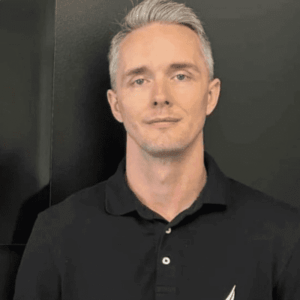
Medically Reviewed By:
Board-Certified Psychiatrist and Addictionologist
|
 |
Clinically Reviewed By:
Board Certified Clinical Social Worker
|
Our Verifications & Affiliations






Yes, Your Insurance Covers Detox and Rehab Treatment.
Get Family Support Now
Supporting Families Through Recovery
We understand addiction affects the whole family. Our comprehensive family program helps rebuild trust and restore relationships.
Weekly Family Therapy Sessions
Educational Workshops
Support Groups
Communication Skills Training