Addiction Treatment That Helps Smyrna Residents Build Lasting Recovery
When addiction begins affecting your health, relationships, career, finances, or overall quality of life, it can feel overwhelming to know where to turn. Many people living in Smyrna struggle silently with alcohol dependency, prescription drug misuse, opioid addiction, methamphetamine use, or other substance use disorders for months or even years before seeking professional help. Often, they fear judgment, worry about the cost of treatment, or believe they should be able to overcome addiction on their own. Unfortunately, addiction is not a matter of willpower. It is a complex medical condition that changes the way the brain functions and affects nearly every aspect of a person’s life.At Tulip Hill Recovery, we understand that recovery is personal. No two individuals arrive at treatment with the same experiences, challenges, or goals. Some people come to us after years of struggling with addiction, while others recognize the warning signs early and seek help before their lives spiral further out of control. Regardless of where someone is in their journey, our mission remains the same: to provide compassionate, evidence-based addiction treatment that helps individuals build healthier, more fulfilling lives.Located just a short drive from Smyrna, Tulip Hill Recovery provides comprehensive addiction treatment services for adults seeking recovery from drug and alcohol addiction. Our programs are designed to address both the physical and psychological aspects of substance use disorders while helping individuals develop the coping skills, emotional resilience, and support systems necessary for long-term recovery.We believe treatment should focus on more than simply helping someone stop using drugs or alcohol. Sustainable recovery requires understanding the underlying causes of addiction, addressing co-occurring mental health conditions, rebuilding damaged relationships, and creating a plan for lifelong wellness. Through individualized care, experienced clinicians, and a commitment to treating the whole person, Tulip Hill Recovery helps Smyrna residents find hope and healing when they need it most.Understanding Addiction in Smyrna, Tennessee
Smyrna has experienced significant growth over the past two decades. As one of the fastest-growing communities in Rutherford County, the area offers strong employment opportunities, thriving neighborhoods, and easy access to the greater Nashville metropolitan region. While these factors contribute to a high quality of life for many residents, they do not make the community immune to the challenges associated with substance abuse and addiction.Like many communities throughout Tennessee, Smyrna has been affected by the ongoing opioid epidemic, rising rates of alcohol misuse, methamphetamine use, and increasing concerns surrounding fentanyl-related overdoses. Behind every statistic is a real person whose life has been impacted by addiction. Individuals struggling with substance use disorders often experience deteriorating physical health, worsening mental health symptoms, strained family relationships, financial hardship, and increased risk of legal or occupational consequences.Addiction rarely develops overnight. In many cases, substance use begins as experimentation, social drinking, pain management following an injury, or an attempt to cope with stress, anxiety, depression, or trauma. Over time, repeated substance use can alter the brain’s reward system, making it increasingly difficult for individuals to control their use despite experiencing harmful consequences.Modern neuroscience has shown that addiction affects areas of the brain responsible for judgment, impulse control, decision-making, emotional regulation, and motivation. These changes help explain why many people continue using substances even when they desperately want to stop. Understanding addiction as a chronic but treatable medical condition helps reduce stigma and encourages individuals to seek the professional support they need.The good news is that recovery is possible. With appropriate treatment, support, and ongoing commitment, individuals can overcome addiction and build meaningful lives free from substance dependence.Recognizing the Signs of Addiction
One of the most challenging aspects of addiction is that it often develops gradually. Individuals may not realize how significantly substance use has affected their lives until the consequences become severe. Family members and loved ones may notice changes long before the person struggling with addiction acknowledges a problem.Physical symptoms often include changes in sleep patterns, fluctuations in weight, chronic fatigue, declining personal hygiene, bloodshot eyes, tremors, headaches, nausea, or frequent illnesses. Some individuals begin neglecting their overall health while prioritizing substance use over basic self-care.Behavioral changes can be equally concerning. Individuals may become secretive about their activities, withdraw from family and friends, neglect responsibilities, experience declining performance at work or school, or engage in risky behaviors they previously would have avoided. Financial difficulties frequently emerge as substance use becomes more frequent and costly.Psychological symptoms often include anxiety, depression, irritability, mood swings, difficulty concentrating, loss of motivation, and feelings of hopelessness. In some cases, substance use may initially mask mental health symptoms before ultimately making them significantly worse.Relationships frequently suffer as addiction progresses. Trust may erode between spouses, parents, children, and friends. Communication often breaks down, leading to conflict, resentment, and emotional distance. Many individuals struggling with addiction feel isolated and misunderstood, further reinforcing the cycle of substance use.Recognizing these signs early can help individuals seek treatment before addiction causes even greater harm.Alcohol Addiction Treatment Near Smyrna
Alcohol remains one of the most commonly abused substances throughout Tennessee. Because drinking is socially accepted in many settings, alcohol addiction can be difficult to recognize. Many individuals maintain employment, support families, and fulfill responsibilities while struggling with problematic drinking patterns. This phenomenon, often referred to as high-functioning alcoholism, can delay treatment and allow addiction to progress for years.Over time, alcohol misuse can damage nearly every organ system in the body. Chronic drinking increases the risk of liver disease, heart disease, high blood pressure, digestive disorders, cognitive decline, and certain forms of cancer. Alcohol also contributes significantly to depression, anxiety, relationship problems, workplace issues, and impaired decision-making.Many individuals become physically dependent on alcohol without realizing it. When alcohol use suddenly stops, withdrawal symptoms may develop. These symptoms can range from mild discomfort to serious medical emergencies. Common alcohol withdrawal symptoms include anxiety, sweating, nausea, tremors, insomnia, elevated heart rate, and intense cravings. Severe withdrawal may result in seizures or delirium tremens, which require immediate medical attention.At Tulip Hill Recovery, individuals struggling with alcohol addiction receive comprehensive support that addresses both the physical and psychological aspects of recovery. Treatment focuses on understanding drinking triggers, developing healthier coping strategies, improving emotional regulation, and creating sustainable plans for long-term sobriety.Recovery from alcohol addiction involves much more than abstaining from drinking. It requires addressing the emotional pain, behavioral patterns, and life circumstances that contribute to problematic alcohol use. Through evidence-based therapies and personalized treatment planning, individuals can regain control of their lives and build a foundation for lasting recovery.Opioid Addiction and the Impact of Fentanyl
The opioid crisis continues to affect communities across Tennessee, including Smyrna and surrounding areas. Opioid addiction can develop through prescription pain medications, heroin use, illicit fentanyl exposure, or a combination of substances. What often begins as legitimate medical treatment for pain can evolve into dependence and addiction when opioid use continues beyond its intended purpose.Opioids interact with receptors in the brain that regulate pain and pleasure. These substances create intense feelings of relaxation and euphoria, making them highly addictive. Over time, individuals develop tolerance, requiring larger amounts to achieve the same effects. As tolerance increases, the risk of overdose rises significantly.The introduction of fentanyl into the illicit drug supply has dramatically increased overdose deaths throughout the United States. Fentanyl is an extremely potent synthetic opioid that may be mixed into heroin, counterfeit pills, cocaine, methamphetamine, and other substances without the user’s knowledge. Even small amounts can be fatal.Many individuals struggling with opioid addiction feel trapped by intense cravings and painful withdrawal symptoms. Fear of withdrawal often prevents people from seeking help, even when they desperately want to stop using. Common opioid withdrawal symptoms include muscle aches, sweating, chills, nausea, vomiting, diarrhea, anxiety, insomnia, and severe cravings.Despite these challenges, recovery from opioid addiction is possible. Effective treatment combines clinical support, behavioral therapies, relapse prevention strategies, mental health care, and long-term recovery planning. By addressing both the physical dependence and underlying psychological factors contributing to addiction, individuals can successfully achieve lasting recovery.Methamphetamine Addiction Treatment
Methamphetamine addiction remains a significant concern throughout many Tennessee communities. Meth is a highly addictive stimulant that affects the central nervous system and produces intense feelings of energy, confidence, and alertness. Unfortunately, these effects come at a tremendous cost.Long-term methamphetamine use can cause severe physical and psychological damage. Individuals often experience significant weight loss, dental problems, skin issues, cardiovascular complications, sleep disturbances, anxiety, paranoia, depression, and cognitive impairment. Many users become trapped in cycles of binge use followed by emotional crashes that reinforce continued substance use.Methamphetamine addiction frequently impacts every aspect of a person’s life. Careers may suffer, relationships often deteriorate, financial problems emerge, and legal consequences become increasingly common. Many individuals report feeling unable to experience pleasure or motivation without the drug.Treatment for methamphetamine addiction requires addressing the neurological, emotional, and behavioral effects of prolonged stimulant use. Recovery often involves helping individuals rebuild healthy routines, regulate emotions, manage cravings, improve mental health, and reconnect with supportive relationships.At Tulip Hill Recovery, clients receive individualized treatment plans designed to address the unique challenges associated with stimulant addiction. Through therapeutic support and evidence-based interventions, individuals can regain stability and work toward meaningful, lasting recovery.Cocaine Addiction and Stimulant Abuse
Although cocaine may not receive as much public attention as opioids, it remains a highly addictive substance that can have devastating consequences. Cocaine stimulates the brain’s reward system, creating intense but short-lived feelings of euphoria, confidence, and energy. Because these effects fade quickly, many individuals engage in repeated use to maintain the desired experience.Over time, cocaine use can contribute to serious cardiovascular complications, including heart attacks, strokes, arrhythmias, and high blood pressure. Mental health symptoms such as anxiety, panic attacks, paranoia, irritability, and depression are also common.Many individuals who misuse cocaine struggle to recognize the severity of their addiction because they may not experience the same physical withdrawal symptoms associated with substances like alcohol or opioids. However, psychological dependence can be extremely powerful and often requires professional treatment.Recovery involves identifying triggers, addressing underlying emotional issues, developing healthier coping mechanisms, and creating a lifestyle that supports long-term sobriety. Comprehensive treatment provides the structure and support necessary to break the cycle of stimulant abuse.Benzodiazepine Addiction and Prescription Drug Misuse
Prescription medications such as Xanax, Klonopin, Ativan, and Valium are commonly prescribed to treat anxiety and related conditions. While these medications can be effective when used appropriately under medical supervision, they also carry a significant risk of dependence and addiction.Many individuals initially take benzodiazepines exactly as prescribed. Over time, tolerance can develop, leading to increased use and physical dependence. Others misuse these medications recreationally or combine them with alcohol and other substances, significantly increasing the risk of overdose.Benzodiazepine withdrawal can be particularly dangerous. Symptoms may include severe anxiety, panic attacks, insomnia, tremors, confusion, seizures, and other serious complications. Because of these risks, professional treatment is often necessary when discontinuing benzodiazepine use.Treatment focuses on helping individuals safely navigate recovery while addressing the underlying anxiety, trauma, or mental health challenges that may have contributed to substance misuse. Through comprehensive care and evidence-based therapies, individuals can achieve recovery while learning healthier ways to manage stress and emotional distress.Comprehensive Addiction Treatment Programs Near Smyrna, TN
Finding the right level of care is one of the most important factors in successful addiction recovery. Every individual enters treatment with unique needs, life circumstances, substance use histories, and recovery goals. While some people require highly structured treatment environments, others benefit from flexible programming that allows them to maintain family, work, or educational responsibilities while receiving professional support.At Tulip Hill Recovery, treatment plans are tailored to the individual rather than forcing individuals into a one-size-fits-all model. Our clinical team conducts thorough assessments to determine the most appropriate level of care and develops personalized treatment plans that evolve throughout the recovery process.The goal is not simply to help individuals stop using drugs or alcohol. Effective treatment helps clients understand the underlying causes of addiction, develop healthier coping mechanisms, strengthen emotional resilience, improve mental health, rebuild relationships, and create a realistic plan for long-term recovery.Partial Hospitalization Program (PHP)
For individuals who require a high level of structure and clinical support but do not need residential treatment, a Partial Hospitalization Program can provide an ideal solution.PHP offers intensive therapeutic services during the day while allowing clients to return home or to a supportive recovery environment in the evenings. This level of care is often recommended for individuals transitioning from detoxification, those stepping down from residential treatment, or those whose addiction and mental health needs require more support than traditional outpatient services can provide.During PHP, clients participate in a comprehensive treatment schedule that may include individual counseling, group therapy, relapse prevention education, family counseling, mental health treatment, life skills development, and recovery planning. The structured nature of the program helps individuals establish healthy routines while receiving consistent clinical support.Many Smyrna residents appreciate PHP because it allows them to remain connected to their families and communities while still receiving intensive addiction treatment. This balance can help individuals begin applying newly learned recovery skills to real-world situations while maintaining access to professional guidance.Intensive Outpatient Program (IOP)
Intensive Outpatient Programs have become one of the most effective and accessible treatment options for individuals recovering from substance use disorders. IOP provides a flexible level of care that allows clients to continue working, attending school, caring for children, or fulfilling other responsibilities while actively participating in treatment.For many people in Smyrna, IOP offers the ideal combination of structure and independence. Clients attend multiple treatment sessions each week while gradually integrating recovery principles into their daily lives. This approach helps bridge the gap between intensive treatment and independent recovery.One of the unique advantages of IOP is the opportunity to address real-life challenges as they occur. Individuals can discuss workplace stress, relationship conflicts, family dynamics, cravings, triggers, and other recovery-related experiences with their treatment team while receiving immediate feedback and support.IOP typically includes individual therapy, group counseling, relapse prevention education, mental health treatment, coping skills development, and ongoing recovery planning. Through consistent engagement and accountability, clients gain confidence in their ability to navigate life’s challenges without relying on drugs or alcohol.Many successful long-term recovery stories begin with intensive outpatient treatment because it teaches individuals how to practice recovery within their everyday environments rather than relying solely on controlled treatment settings.Outpatient Addiction Treatment
Outpatient treatment provides continued support for individuals who have established a foundation in recovery and are ready for increased independence. This level of care focuses on maintaining progress, strengthening coping skills, addressing ongoing challenges, and preventing relapse.Recovery does not end when someone completes an intensive treatment program. Addiction is a chronic condition that requires ongoing attention and support. Outpatient services help individuals continue building on the progress they have already achieved while navigating the realities of daily life.Therapy sessions may focus on stress management, emotional regulation, communication skills, relationship improvement, career goals, family concerns, and long-term recovery planning. Regular clinical support allows individuals to remain connected to their recovery community while receiving professional guidance as new challenges emerge.For many Smyrna residents, outpatient treatment serves as an important component of sustained recovery and long-term wellness.Dual Diagnosis Treatment for Co-Occurring Disorders
Many individuals struggling with addiction are also living with underlying mental health conditions. Depression, anxiety disorders, post-traumatic stress disorder, bipolar disorder, unresolved trauma, and other psychiatric conditions frequently occur alongside substance use disorders.When both conditions are present, they often reinforce one another. Individuals may use substances to temporarily escape emotional pain, manage symptoms, or cope with overwhelming stress. While substance use may provide short-term relief, it ultimately worsens mental health symptoms and creates additional problems.This cycle can become difficult to break without professional intervention.At Tulip Hill Recovery, dual diagnosis treatment addresses both addiction and mental health concerns simultaneously. Rather than treating these conditions separately, our integrated approach recognizes the complex relationship between mental health and substance use.Depression can leave individuals feeling hopeless, isolated, and emotionally exhausted. Anxiety disorders may contribute to chronic worry, panic attacks, and persistent fear. Trauma can affect every aspect of a person’s life, influencing relationships, self-esteem, emotional regulation, and overall well-being. Bipolar disorder and other mood disorders often create instability that increases vulnerability to substance misuse.By addressing these underlying issues alongside addiction treatment, clients gain a deeper understanding of their experiences and develop healthier strategies for managing symptoms. This integrated approach significantly improves the likelihood of long-term recovery success.Evidence-Based Therapies That Support Lasting Recovery
Successful addiction treatment requires more than motivation alone. Effective recovery programs utilize evidence-based therapeutic approaches that have been extensively studied and shown to improve outcomes.Cognitive Behavioral Therapy helps individuals identify unhealthy thought patterns that contribute to substance use. By recognizing these patterns and learning new ways of thinking, clients can make healthier choices and respond more effectively to stressful situations.Dialectical Behavioral Therapy focuses on emotional regulation, distress tolerance, mindfulness, and interpersonal effectiveness. These skills are particularly valuable for individuals who struggle with intense emotions, impulsive behaviors, or relationship difficulties.Motivational Interviewing helps individuals explore ambivalence about change while strengthening internal motivation for recovery. Rather than imposing change, this approach empowers individuals to identify their own reasons for pursuing a healthier future.Trauma-informed therapy recognizes the significant role trauma often plays in addiction. By creating a safe and supportive therapeutic environment, individuals can begin processing painful experiences without becoming overwhelmed.EMDR therapy may also be incorporated when clinically appropriate to help individuals process traumatic memories and reduce emotional distress associated with past experiences.Group therapy provides opportunities for connection, accountability, and shared learning. Many clients discover they are not alone in their struggles and gain valuable insight from others who understand the challenges of recovery firsthand.Family therapy helps repair damaged relationships, improve communication, establish healthy boundaries, and create stronger support systems for long-term recovery.Together, these therapeutic approaches address the emotional, behavioral, cognitive, and relational factors that contribute to addiction.The Importance of Family Involvement in Recovery
Addiction affects entire families, not just the individual struggling with substance use. Loved ones often experience fear, frustration, confusion, guilt, anger, and emotional exhaustion as they attempt to help someone they care about.Family involvement can play a powerful role in recovery when approached in healthy and constructive ways. Education helps family members better understand addiction as a medical condition rather than a moral failing. Improved communication can reduce conflict and strengthen relationships. Healthy boundaries create an environment that supports recovery while promoting accountability.Many families arrive at treatment carrying years of pain and unresolved issues. Recovery provides an opportunity for healing on both sides. As individuals work toward sobriety, family members can also begin rebuilding trust, addressing unhealthy patterns, and developing healthier ways of supporting one another.Strong family support often contributes significantly to long-term recovery success.Relapse Prevention and Long-Term Recovery Planning
Completing treatment represents an important milestone, but recovery is ultimately a lifelong journey. Long-term success requires preparation, ongoing support, and a willingness to continue growing long after formal treatment ends.Relapse prevention begins with understanding personal triggers. Stress, relationship conflict, financial concerns, loneliness, grief, mental health symptoms, and exposure to substance use can all increase vulnerability to relapse if not addressed appropriately.Clients learn to recognize warning signs early and develop strategies for managing challenges before they escalate. Recovery planning includes identifying support systems, maintaining healthy routines, prioritizing self-care, continuing therapy when needed, and participating in recovery communities.Many individuals benefit from ongoing peer support, alumni programs, recovery meetings, and continued engagement with sober social networks. These connections help reinforce accountability while providing encouragement during difficult times.Recovery is not about achieving perfection. It is about consistently making choices that support health, wellness, and personal growth.Why Smyrna Residents Choose Tulip Hill Recovery
Choosing an addiction treatment provider is a deeply personal decision. Individuals and families deserve a treatment center that prioritizes compassion, clinical excellence, and individualized care.Tulip Hill Recovery has earned the trust of many Tennessee residents by providing evidence-based treatment that addresses the unique needs of each client. Our team understands that addiction affects every person differently and believes treatment should reflect those differences.Clients benefit from personalized treatment planning, experienced clinicians, dual diagnosis care, evidence-based therapies, flexible programming options, and a supportive recovery environment focused on long-term success.We are committed to treating individuals with dignity and respect while helping them build the skills necessary to create meaningful and lasting change.Whether someone is seeking help for alcohol addiction, opioid dependence, methamphetamine use, prescription drug misuse, or co-occurring mental health disorders, our goal remains the same: helping people reclaim their lives and discover hope for the future.Frequently Asked Questions About Rehab Near Smyrna, TN
One of the most common questions individuals ask is whether treatment really works. Research consistently shows that evidence-based addiction treatment significantly improves outcomes and helps individuals achieve long-term recovery when they actively participate in the process.Another common concern involves insurance coverage. Many insurance plans provide benefits for addiction treatment services, and our admissions team can help verify benefits and explain available options.People often wonder how long treatment lasts. The answer varies depending on individual needs, progress, substance use history, and treatment goals. Recovery is not measured by a specific timeline but by meaningful and sustainable progress.Many working professionals worry they will need to leave their jobs to receive treatment. Flexible levels of care such as intensive outpatient treatment often allow individuals to continue working while receiving comprehensive support.Others ask whether dual diagnosis treatment is necessary. When mental health conditions and substance use disorders occur together, addressing both conditions simultaneously often leads to significantly better outcomes.Family members frequently wonder how they can help. Encouraging treatment, participating in family counseling, learning about addiction, and maintaining healthy boundaries are often among the most effective ways to support a loved one.The most important question many people ask is whether recovery is truly possible. The answer is yes. Every day, individuals recover from addiction and build fulfilling lives in recovery. While the journey is not always easy, professional treatment can provide the support, guidance, and tools needed to make lasting change possible.Begin Your Recovery Journey Today
If you or someone you love is struggling with drug or alcohol addiction in Smyrna, you do not have to face it alone. Addiction can feel overwhelming, but recovery is possible with the right support, treatment, and commitment.At Tulip Hill Recovery, we believe every person deserves the opportunity to heal, grow, and build a healthier future. Whether you have been struggling for years or recently recognized a problem, help is available.Taking the first step may feel intimidating, but it can also be the beginning of a new chapter. A life free from the grip of addiction is possible. Our team is here to answer your questions, discuss treatment options, verify insurance benefits, and help you determine the best path forward.Recovery starts with a single decision. Contact Tulip Hill Recovery today to learn how our addiction treatment programs can help you or your loved one begin the journey toward lasting healing and recovery.
Call or message us
You’ll connect with a compassionate admissions coordinator who understands what you’re going through.

Free assessment
We’ll ask about your drug use, medical history, and mental health to help build the right plan.

Insurance check
We’ll verify your benefits and explain exactly what’s covered—no surprises.

Choose a start date
If you’re ready, we can often schedule your intake the same week.
Contributors

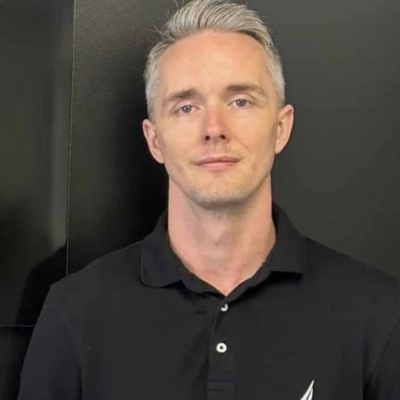
Medically Reviewed By:
Dr. Vahid Osman, M.D.
Board-Certified Psychiatrist and Addictionologist
Clinically Reviewed By:
Josh Sprung, L.C.S.W.
Board Certified Clinical Social Worker
Accreditations & Credentials



Our Verifications & Affiliations
The Joint Commission – Gold Seal of Approval®
CARF International – 3-Year Accreditation
LegitScript – Verified Advertising Compliance
HIPAA – Patient Privacy Protection
ASAM Member – Science-based treatment standards
Psychology Today Verified – Listed & trusted
BBB Accredited – A– Rating
Nashville Chamber of Commerce Member
Yes, Your Insurance Covers Detox and Rehab Treatment.
Get Family Support Now
Supporting Families Through Recovery
We understand addiction affects the whole family. Our comprehensive family program helps rebuild trust and restore relationships.
Weekly Family Therapy Sessions
Educational Workshops
Support Groups
Communication Skills Training
Get Family Support Now