Monkey Dust, Psychosis and Mental Health
Monkey Dust Addiction and Mental Health in Murfreesboro, Tennessee
Monkey Dust is a street term associated with synthetic cathinones such as MDPV and MDPHP. These stimulant drugs can be linked with compulsive redosing, prolonged wakefulness, severe anxiety, paranoia, hallucinations, psychosis, and difficult post-use crashes.
Current evidence does not establish widespread Monkey Dust use in Tennessee. However, renewed U.S. monitoring of these synthetic stimulants makes early education important, especially when stimulant use is occurring alongside depression, anxiety, trauma, psychosis, or other mental health concerns.
Monkey Dust Can Affect Both Addiction and Mental Health
Monkey Dust is not one standardized drug. The term has historically been associated most closely with MDPV, or methylenedioxypyrovalerone, while more recent research has also connected it with MDPHP and related synthetic cathinones.
These substances are stimulants. Repeated use can interfere with sleep, mood, judgment, perception, and the brain’s reward system. Someone may initially experience increased energy or confidence before progressing into severe anxiety, suspiciousness, hallucinations, compulsive use, or stimulant-induced psychosis.
Treatment should focus on the complete clinical picture rather than the street name alone. Substance use, psychiatric symptoms, other drugs, sleep deprivation, physical health, and recovery environment can all affect the appropriate level of care.
Monkey Dust and Mental Health Concerns We Address
Compulsive Stimulant Use
Repeated redosing can extend stimulant use for many hours, disrupt sleep and meals, and make it increasingly difficult to stop when intended.
Paranoia and Psychosis
Heavy stimulant exposure and severe sleep deprivation can contribute to suspiciousness, hallucinations, delusional thinking, confusion, and stimulant-induced psychosis.
Co-Occurring Mental Health Concerns
Depression, anxiety, PTSD, trauma-related symptoms, bipolar disorder, insomnia, and other psychiatric concerns may occur alongside stimulant addiction.
Polysubstance Use
Synthetic stimulants may be used with alcohol, benzodiazepines, opioids, cocaine, methamphetamine, or other substances, which can make symptoms and treatment needs more complicated.
Our Individualized Approach to Synthetic Stimulant Treatment

Treatment planning considers what substance the person believes they used, how often they use stimulants, how long binges last, whether compulsive redosing occurs, recent sleep patterns, psychiatric symptoms, physical health, current medications, previous treatment, and use of other substances.
The goal is to understand the complete pattern rather than assuming every product called Monkey Dust contains the same chemical or causes the same symptoms.
Assessment comes first: Paranoia, psychosis, agitation, depression, or extreme exhaustion may have several possible causes. Clinical evaluation helps determine whether symptoms appear primarily substance-induced, related to another mental health condition, or influenced by both.
Monkey Dust, Psychosis, and Medical Safety
Severe synthetic-cathinone toxicity can involve extreme agitation, rapid heart rate, elevated blood pressure, overheating, dehydration, hallucinations, seizures, paranoia, and cardiovascular complications.
Stimulant Toxicity Can Become a Medical Emergency
Call 911 for seizures, loss of consciousness, severe chest pain, extreme overheating, dangerous agitation, severe confusion, hallucinations that create an immediate safety risk, or other life-threatening symptoms. Acute medical or psychiatric emergencies require stabilization before routine addiction treatment.
Psychiatric symptoms may improve as intoxication resolves and normal sleep returns, but this is not guaranteed. Persistent hallucinations, severe paranoia, suicidal thinking, or significant confusion require professional evaluation.
What Comes After Acute Stimulant Stabilization
Medical and Psychiatric Stabilization
The immediate focus may be controlling severe agitation, psychosis, cardiovascular symptoms, dehydration, sleep deprivation, or other acute concerns.
Structured Addiction Treatment
After stabilization, structured treatment can address compulsive stimulant use, cravings, triggers, psychiatric symptoms, relationships, and the behaviors surrounding repeated binges.
Partial Hospitalization and IOP
PHP and IOP can provide therapy, mental health support, relapse prevention, recovery education, and structure while clients begin returning to daily responsibilities.
Outpatient and Continuing Care
Ongoing counseling, psychiatric care when appropriate, peer support, family involvement, healthy routines, and aftercare planning can support longer-term recovery.
How Stimulant Recovery Can Progress
Recovery from heavy synthetic stimulant use does not follow one fixed timeline. The actual drug, dose, duration of use, sleep deprivation, mental health, other substances, and recovery environment can all influence the course.
Assessment
The treatment team reviews stimulant use, recent binges, sleep, paranoia or hallucinations, depression, anxiety, medications, physical health, previous treatment, and other substance use.
Stabilization
Acute psychiatric or physical symptoms are addressed first. Some people require hospital-level care before transitioning into addiction treatment.
Early Recovery
Sleep, appetite, mood, concentration, and energy may gradually improve, while depression, anxiety, emotional flatness, and stimulant cravings may continue.
Continuing Treatment
Once stable, clients can continue treatment focused on mental health, triggers, coping skills, relapse prevention, relationships, and sustainable recovery routines.
Dual Diagnosis Care for Stimulant Addiction

Depression, anxiety, PTSD, trauma-related symptoms, bipolar disorder, insomnia, and other mental health concerns may occur alongside stimulant use. Heavy stimulant intoxication can also produce psychiatric symptoms that resemble independent mental health conditions.
Integrated dual diagnosis treatment can address substance use and mental health together so clients can build healthier coping strategies, improve emotional stability, and develop a more sustainable recovery plan.
Family Support, Education, and Stimulant Safety
Families may be the first to notice prolonged wakefulness, intense paranoia, hallucinations, major personality changes, repeated stimulant crashes, unexplained weight loss, secretive behavior, or repeated unsuccessful attempts to stop.
These signs do not prove someone is using MDPV, MDPHP, or another particular synthetic cathinone. They can indicate that substance use and mental health should be professionally assessed.
When appropriate, family education can help loved ones understand psychiatric warning signs, set healthier boundaries, support treatment, and recognize when emergency medical care is needed.
Planning for Recovery After Synthetic Stimulant Use
Acute stabilization addresses the immediate effects of stimulant use, but recovery continues after the crisis resolves. Long-term progress may depend on structured treatment, mental health care, supportive relationships, relapse-prevention strategies, and consistent daily routines.
Recognize Triggers
Identify stress, emotions, people, places, boredom, sleep disruption, and other situations that increase the urge to use stimulants.
Know Early Warning Signs
Isolation, worsening sleep, escalating stress, romanticizing stimulant use, renewed contact with high-risk environments, or worsening psychiatric symptoms can signal a need for more support.
Continue Treatment
PHP, IOP, outpatient counseling, psychiatric support, dual diagnosis treatment, and recovery groups can provide structure as stability improves.
Strengthen Ongoing Support
Family support, therapy, consistent sleep, healthy routines, peer recovery resources, and continued mental health care can help protect recovery progress.
Insurance Coverage and Stimulant Addiction Admissions
Many insurance plans provide benefits for medically necessary substance use and mental health treatment. Coverage depends on the individual policy, network status, deductible, authorization requirements, medical necessity, and recommended level of care.
Complimentary insurance verification: Tulip Hill Recovery can review available benefits and explain potential addiction and dual diagnosis treatment coverage before admission.
Admissions can discuss current stimulant use, recent psychiatric symptoms, previous treatment, other substances, mental health concerns, insurance benefits, and the next appropriate step.
Stimulant Addiction Treatment for Murfreesboro and Middle Tennessee
Tulip Hill Recovery serves adults and families from Murfreesboro and surrounding Rutherford County communities, as well as people traveling from Nashville, Smyrna, La Vergne, Franklin, Brentwood, Lebanon, Clarksville, Columbia, Spring Hill, and other Tennessee communities.
Our admissions team can answer questions about stimulant addiction, dual diagnosis treatment, PHP, IOP, continuing care, insurance verification, and whether another level of medical or psychiatric care may be more appropriate first.
Clinical Oversight and Review
Treatment recommendations are guided by clinical assessment, individualized care planning, and evidence-informed approaches to addiction and co-occurring mental health treatment.

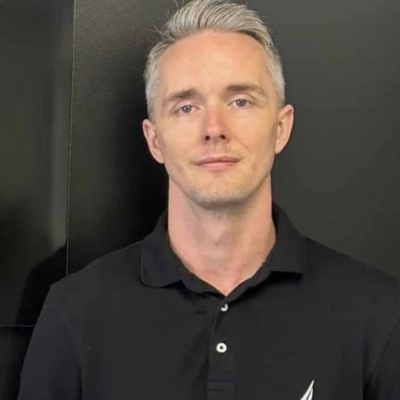
Dr. Vahid Osman, M.D.
Board-Certified Psychiatrist and Addictionologist
Review before publication
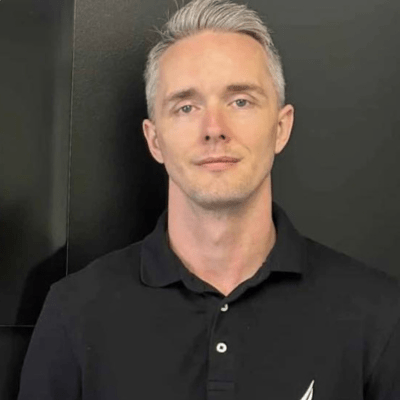
Josh Sprung, L.C.S.W.
Licensed Clinical Social Worker
Review before publication
Frequently Asked Questions About Monkey Dust
What is Monkey Dust?
Monkey Dust is a street term most commonly associated with synthetic cathinones such as MDPV and MDPHP.
Is Monkey Dust in Tennessee?
Current evidence does not establish widespread Monkey Dust use in Tennessee. Tennessee forensic laboratories do maintain procedures for identifying synthetic cathinones and related analogues.
Can Monkey Dust cause psychosis?
Yes. Potent synthetic cathinones can be associated with severe paranoia, hallucinations, confusion, and stimulant-induced psychosis.
Can sleep deprivation make stimulant psychosis worse?
Yes. Prolonged sleep deprivation can intensify anxiety, suspiciousness, confusion, distorted perception, and other psychiatric symptoms during stimulant use.
Does stimulant psychosis always go away after drug use stops?
No. Symptoms may improve after intoxication resolves and normal sleep returns, but some people continue experiencing psychiatric symptoms and require further evaluation or treatment.
Can Monkey Dust cause depression?
Depressed mood, exhaustion, anxiety, irritability, and emotional flatness may occur after heavy stimulant use, particularly during the post-binge crash.
Can stimulant use resemble bipolar mania?
Yes. Heavy stimulant use can produce reduced sleep, rapid speech, unusually high energy, agitation, and impulsive behavior that may resemble mania. Professional assessment is needed to determine the cause.
Is Monkey Dust addictive?
Synthetic cathinones can produce strong cravings, repeated redosing, prolonged binges, and loss of control over use.
Can addiction and mental health conditions be treated together?
Yes. Integrated dual diagnosis treatment can address substance use and co-occurring mental health concerns when clinically appropriate.
What happens after acute stimulant stabilization?
After medical or psychiatric stability is established, continued care may include PHP, IOP, outpatient counseling, psychiatric support, relapse prevention, and other recovery services based on individual needs.
If stimulant use has become difficult to control, or if paranoia, anxiety, depression, or other mental health symptoms continue after use, a confidential conversation can help clarify the next appropriate step. Tulip Hill Recovery helps adults in Murfreesboro and throughout Middle Tennessee continue recovery through structured addiction and mental health treatment after acute medical or psychiatric stabilization.Begin Stimulant Addiction Treatment in Murfreesboro
Contributors
 Medically Reviewed By:
Board-Certified Psychiatrist and Addictionologist
 Clinically Reviewed By:
Board Certified Clinical Social Worker
Accreditations & Credentials
Our Verifications & Affiliations

The Joint Commission – Gold Seal of Approval®

CARF International – 3-Year Accreditation

LegitScript – Verified Advertising Compliance

HIPAA – Patient Privacy Protection

ASAM Member – Science-based treatment standards

Psychology Today Verified – Listed & trusted

BBB Accredited – A– Rating

Nashville Chamber of Commerce Member
Yes, Your Insurance Covers Detox and Rehab Treatment.
Most Clients pay $0 Out of Pocket
Get Family Support Now
Supporting Families Through Recovery
We understand addiction affects the whole family. Our comprehensive family program helps rebuild trust and restore relationships.
Weekly Family Therapy Sessions
Educational Workshops
Communication Skills Training
- Get Family Support Now